Fifty Songs Featuring Cities and Urban Life
A listicle about popular music and the metropolis.
By Gerald Early
January 31, 2022
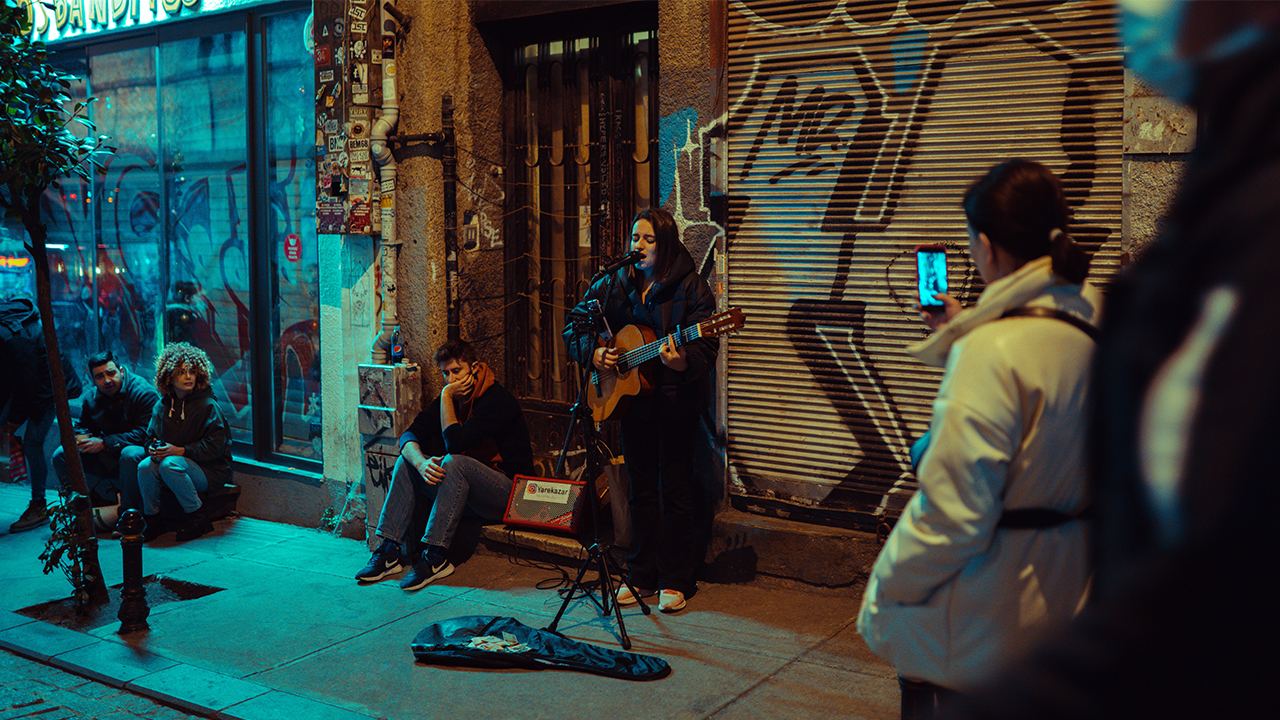
A listicle about popular music and the metropolis.
By Gerald Early
January 31, 2022
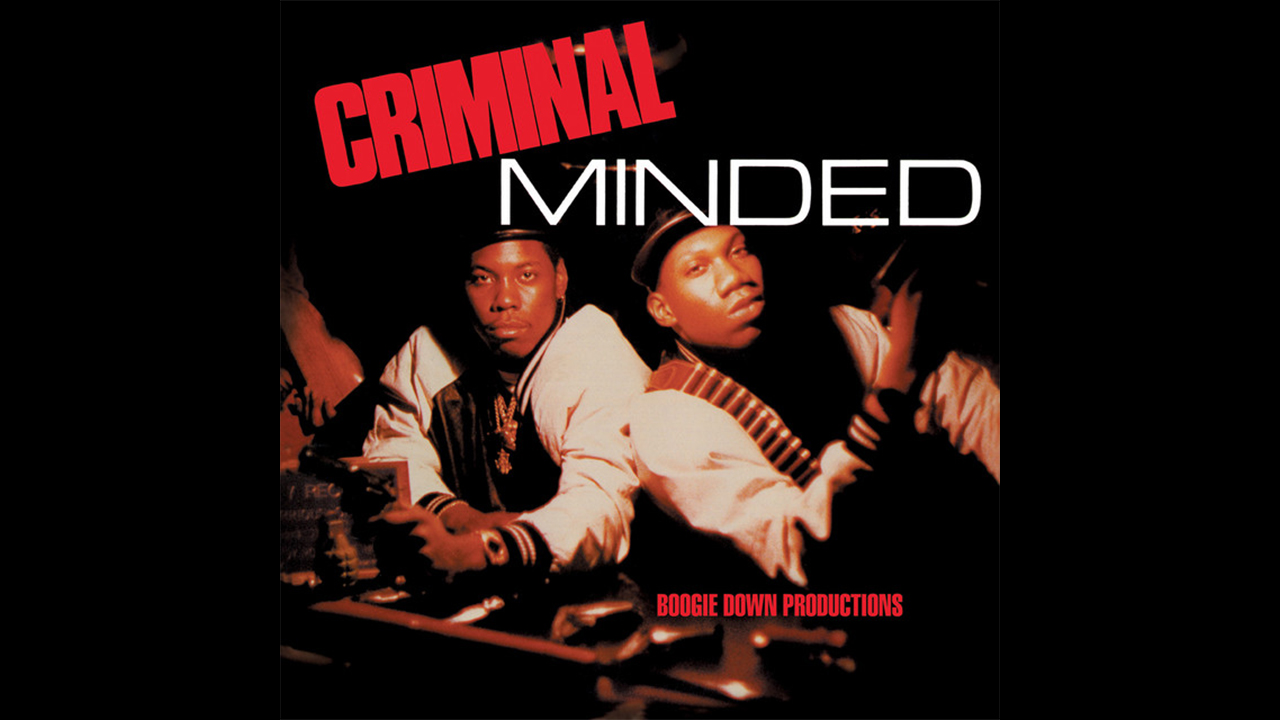
When we listen to gangsta rap, we should always keep in mind where its gangsterisms end and its criminalities begin. We ought to regard crime as the eyes and ears of the music.
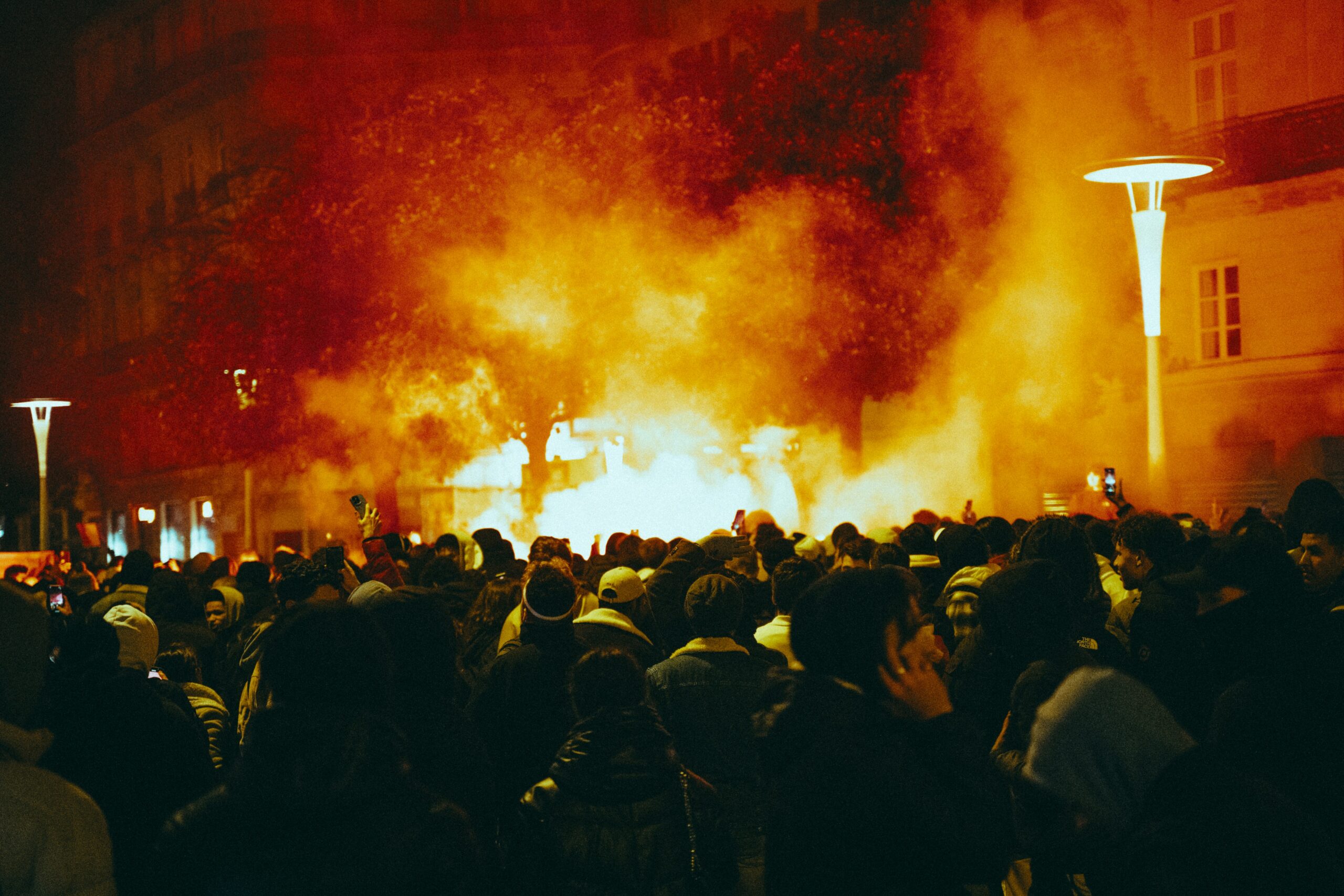
Writers like Ralph Ellison remind us of the power of fiction to represent that which is felt yet remains unseen—atmospheres, emotions, and the often invisible structures of racism that reinforce an unequal and unjust world.
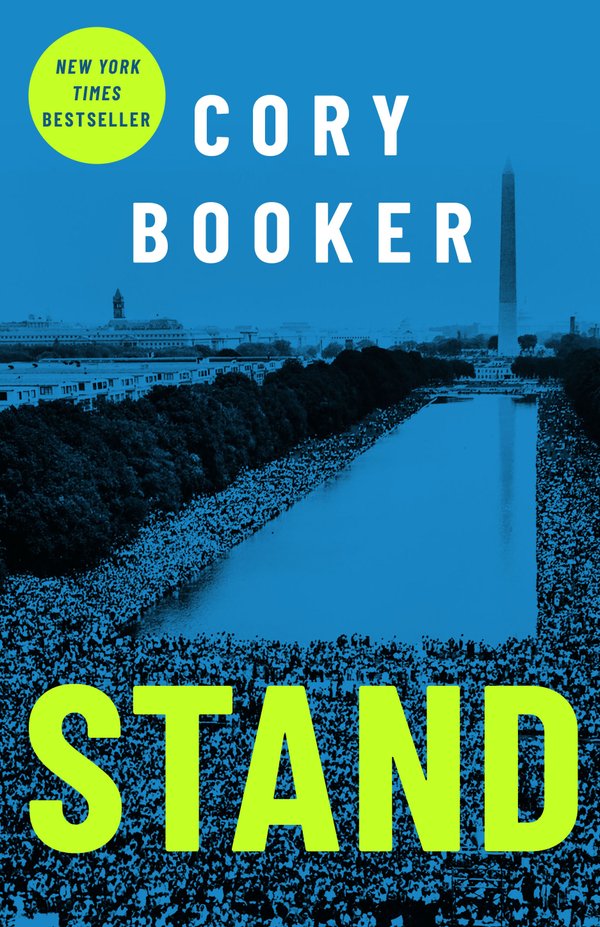
Here is a campaign book that aspires to be in the advice book tradition, a sort of self-help book, a mash-up of Marcus Aurelius and Dale Carnegie with MLK’s Beloved Community.
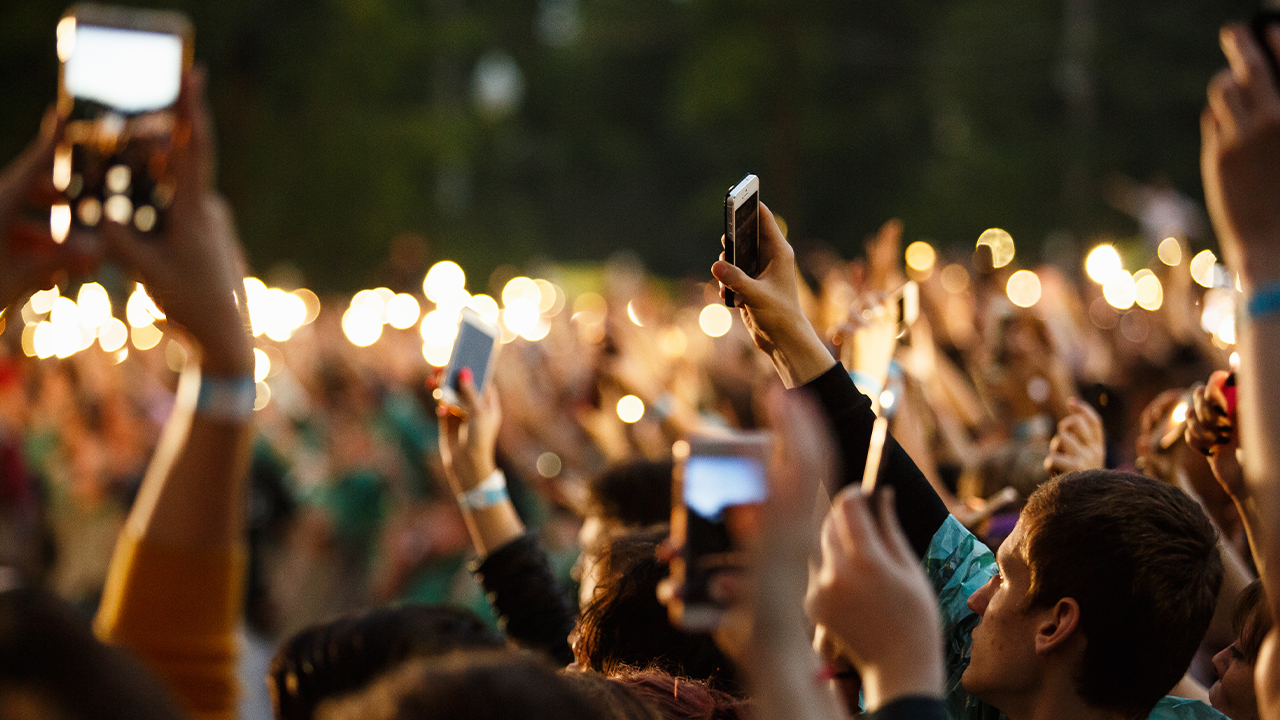
When hockey fans assured me that they “bleed blue,” or downtown St. Louis glowed Cardinal red, or friends mortgaged their soul for a Springsteen ticket, I smiled and nodded, but no words came. Rah-rah crowds made me nervous. Then I watched the 2026 World Cup.
Aspects of narrative that strongly call attention to themselves by not fitting in with the ambient tone, action, or characters are a kind of linguistic or dramatic violence that often leans to comedy. Sometimes these are writerly tics, bad impulses, or ignorance; sometimes they are used purposefully for effect (“Exit, pursued by a bear”). Writer-director Quentin Tarantino has made them a living.
Surely, it is context and intention that count. As I say to my discourse studies students: if the precise word you need is a complex one, and the situation demands it, then go ahead. Sometimes only “semantic field” will do. Sometimes only “interdiscursivity” cuts it.