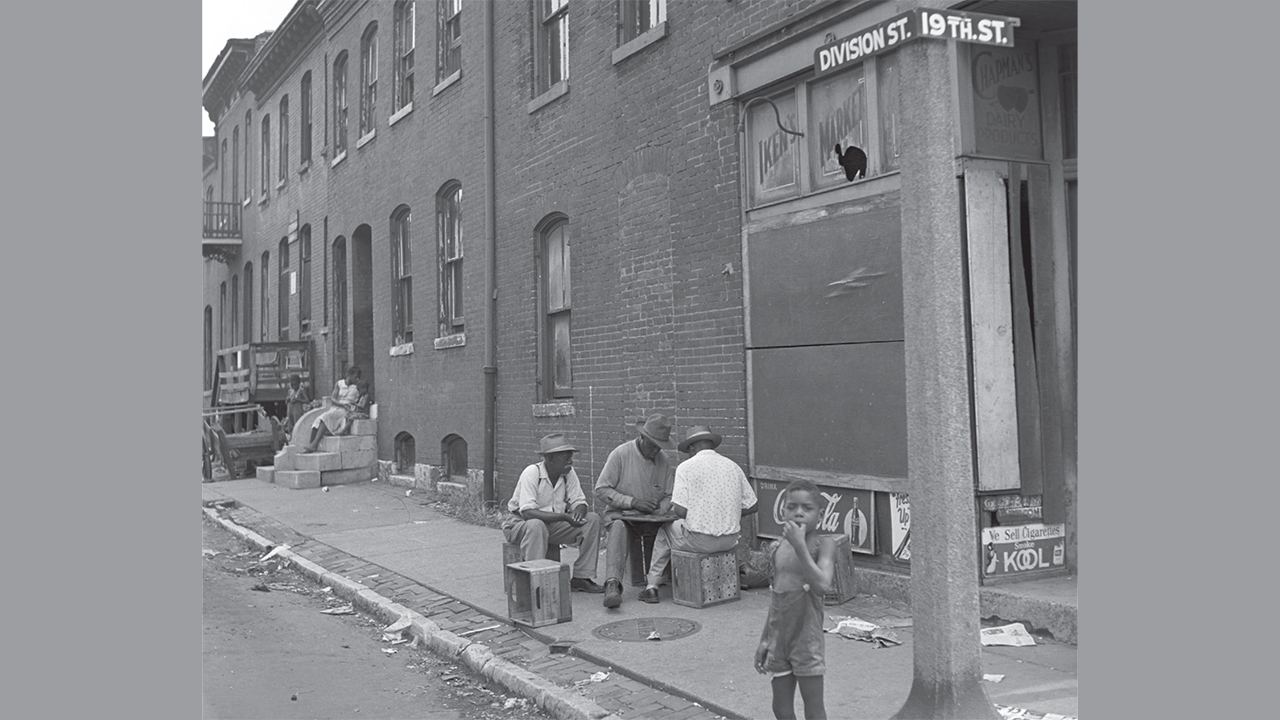
The Material World of Modern Segregation
St. Louis in the Long Era of Ferguson
St. Louis in the Long Era of Ferguson
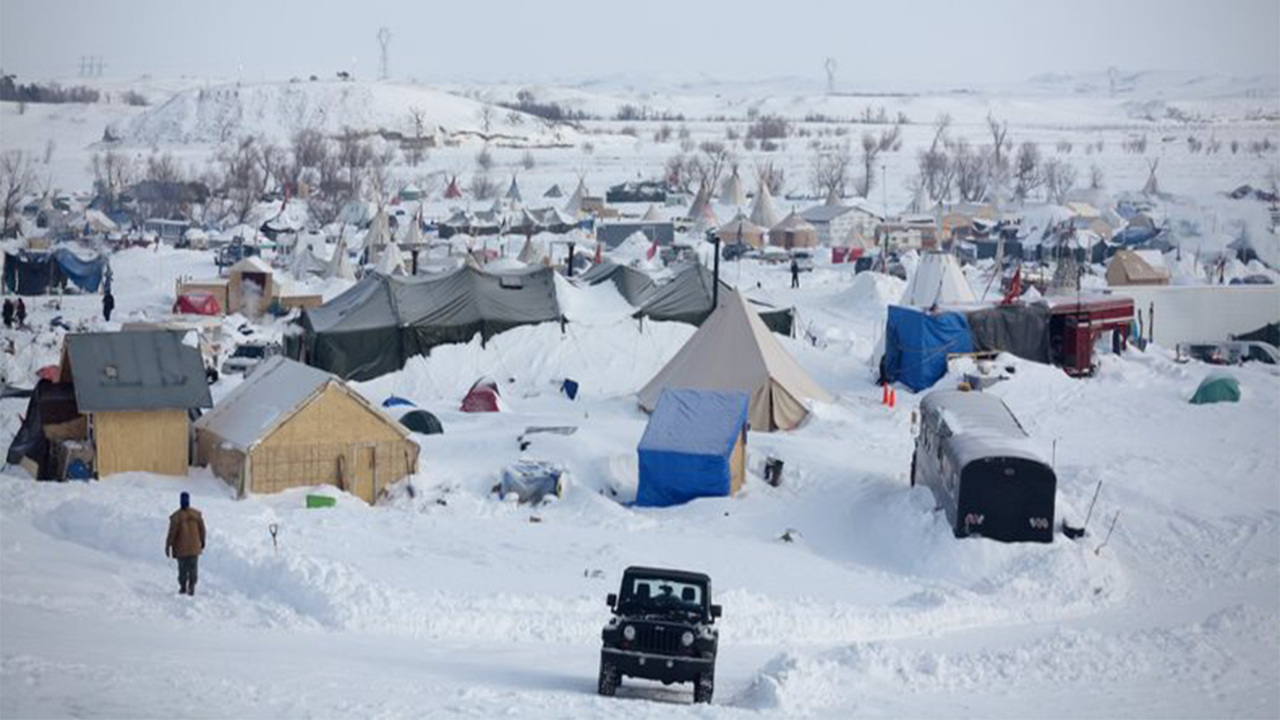
Standing Rock disappeared from mainstream media in the daily deluge of political scandals and outre behavior. But Native Americans had predicted that sparks from Oceti Sakowin’s sacred fire would be carried around the earth, and they could be seen in other Indigenous camps and movements that resisted the Bayou Bridge Pipeline in Louisiana, the TransCanada Keystone XL pipeline, and the Thirty Meter Telescope on Mt. Mauna Kea.
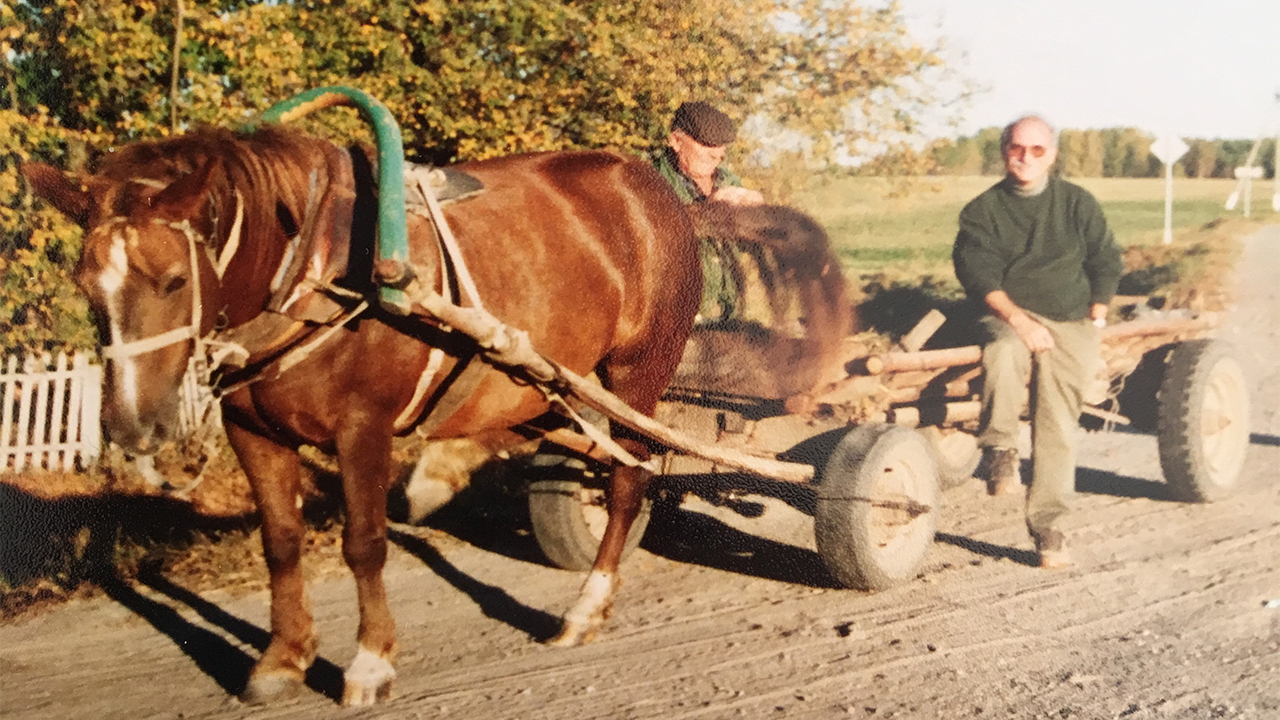
Belarus finally declared independence in 1990 but it was a republic ruled by Vladimir Putin’s puppet president, Alexander Lukashenko—the last of the old-school ironfisted dictators, whose reign continues to this day. For me that day in 2002 was the beginning of a mashup of Fear and Loathing in Minsk meets Planes, Trains and Oxcarts as I got a guided tour of the no man’s land just across the Pripyat River from the decaying, hulking skeleton of the Chernobyl Reactor Dome.

An eyewitness account of the end of the engrossing first act of the Standing Rock movement.
So many people got involved, for so many different reasons, that protest against the Dakota Access Pipeline was (nearly) a blank template. This gave many opportunities for conflict and few firm measures of success, except oil never flowing in the pipeline.

One of the few points of agreement left to us is that our whole culture is “oversensitive” now—that favorite castigation—though in different directions, canceling and banning and vilifying. We are miserable about it, here in this land that lauds bold and fearless action.

The American-Mexican novelist and author of Prayers for the Stolen, adapted for Netflix, reflects on women’s rights, the beauty and danger of life in Mexico, and being “the granddaughter of surrealism.”
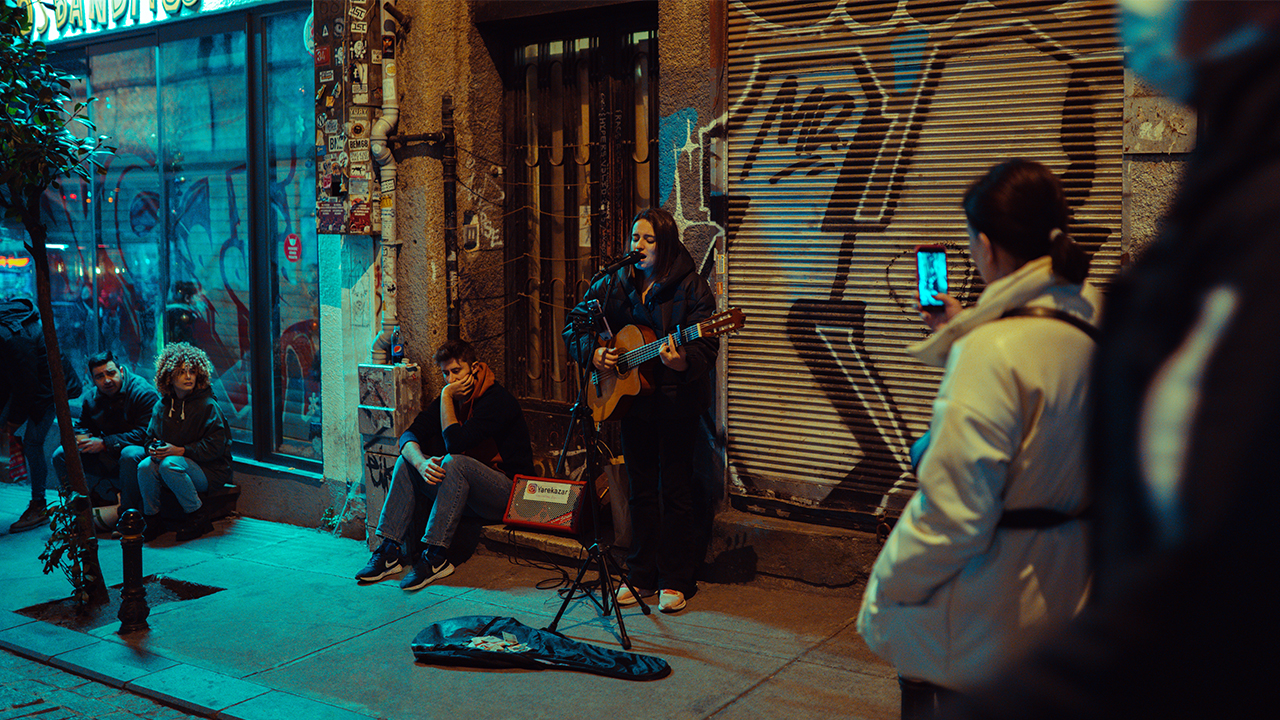
For almost every metropolis—and even a few towns—with streets, neighborhoods, and businesses there is a song with melody, harmony, and a beat.
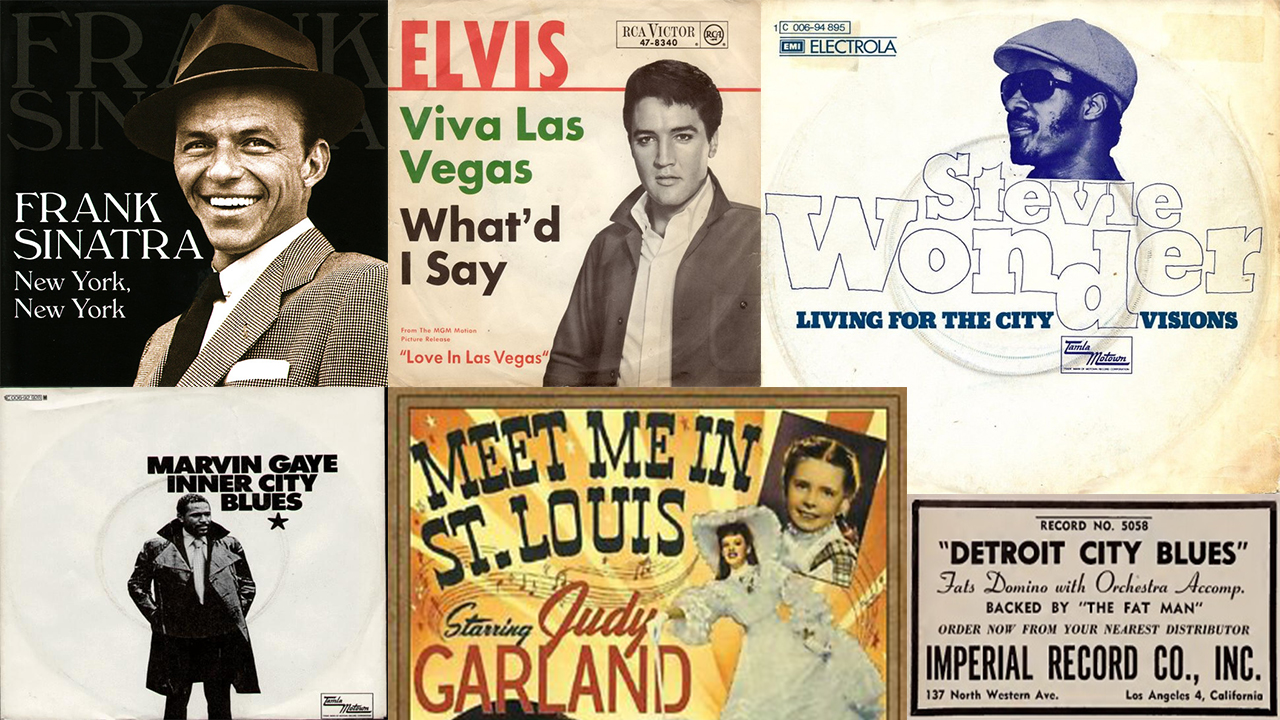
For almost every metropolis—and even a few towns—with streets, neighborhoods, and businesses there is a song with melody, harmony, and a beat.
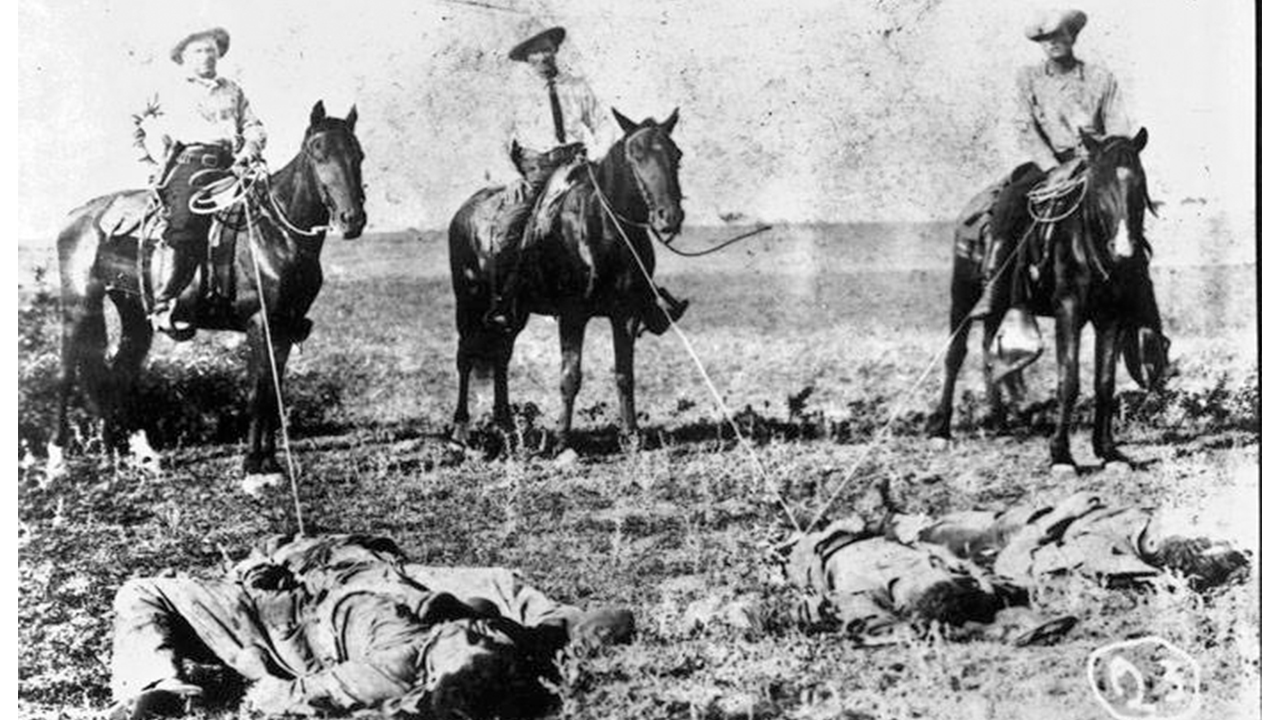
The Texas Rangers are held up as an emblem of Texas exceptionalism, the American protectors in the wild west. First appearing in cinema in 1910, they were depicted as handsome saviors galloping into town to implement law and order in the dusty wake of their stallions’ hooves. For Tejano communities inside Texas and along the border, however, the Texas Rangers were private agents of Anglo terror, responsible for little-known acts of violence that only now are being told.