Flying Home
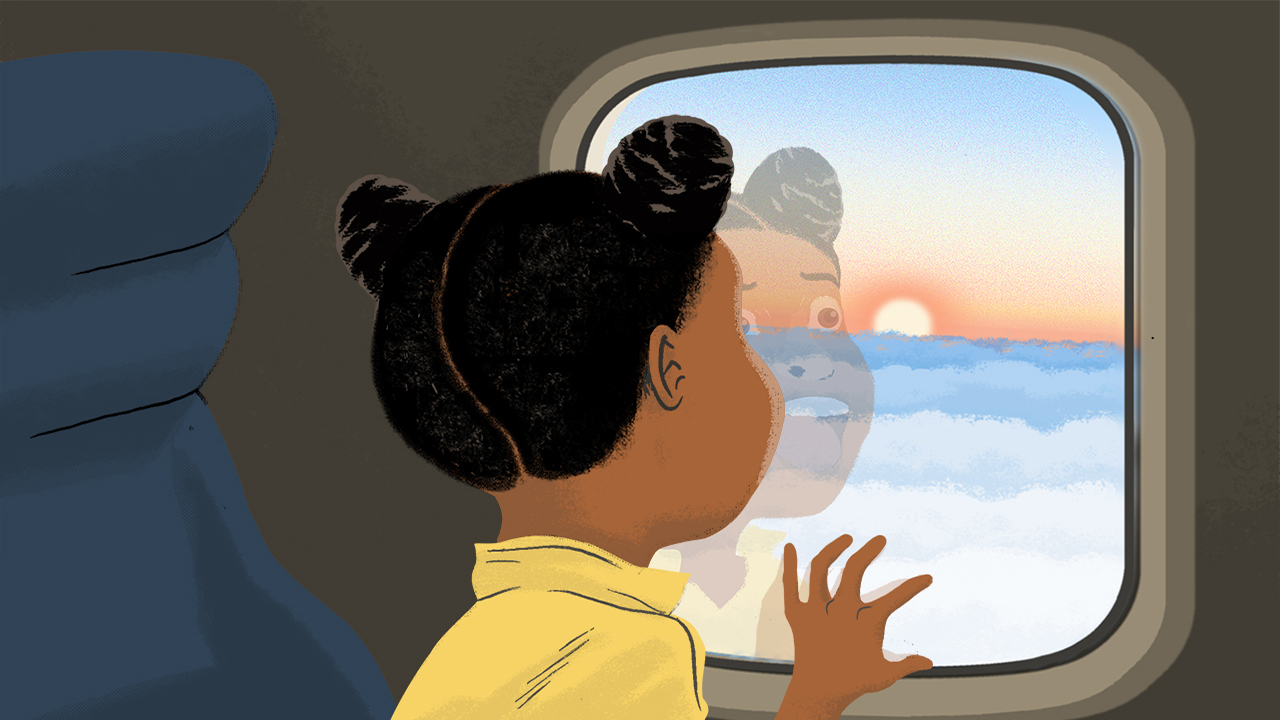
Notes on the skies of America
By The Common Reader staff and contributors
May 24, 2023
Notes on the skies of America
By The Common Reader staff and contributors
May 24, 2023
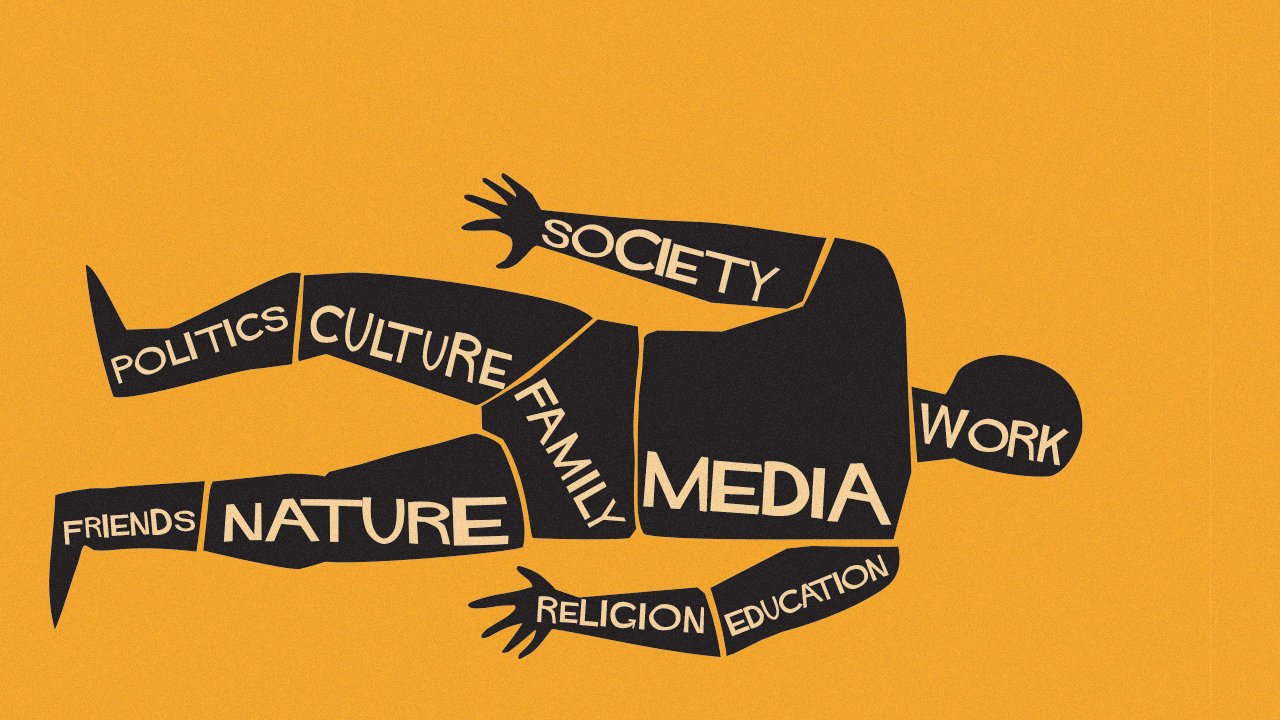
The delight and danger of swaying others

What keeps us together, and what tears us apart.
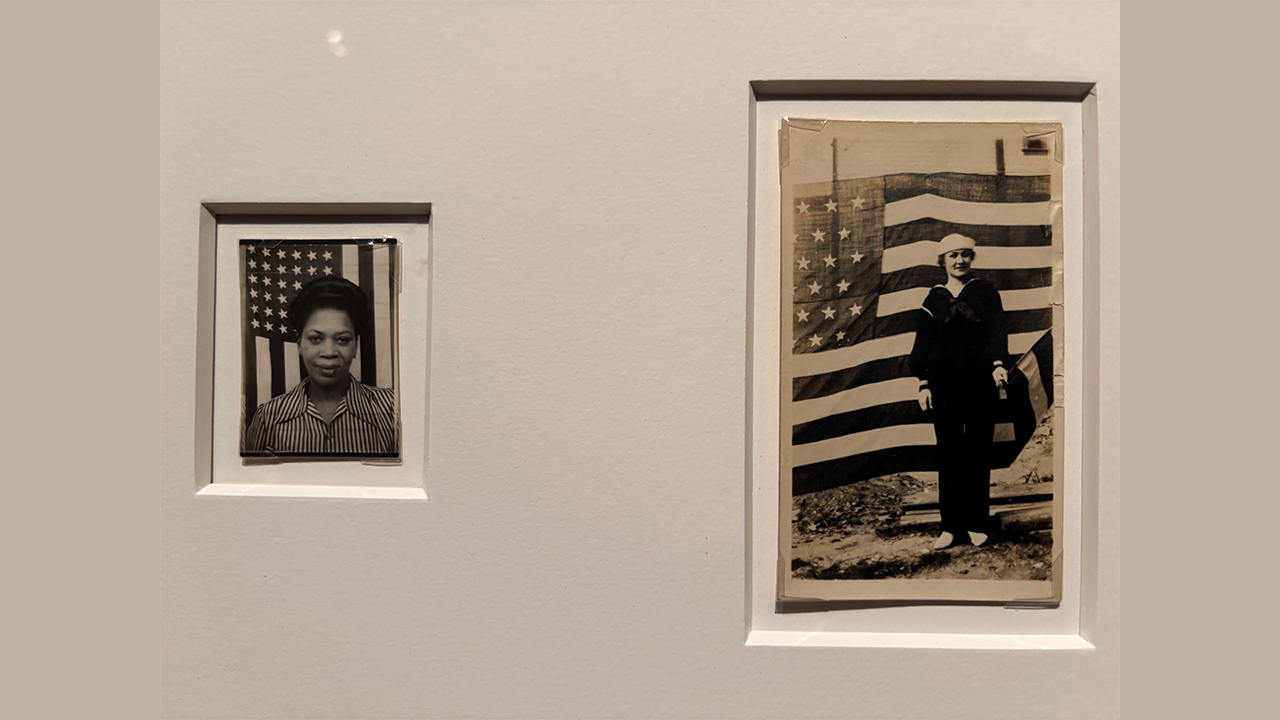
The untitled photograph is not merely a breach between memory and hope, but rather an invitation to inhabit that breach from a distance.
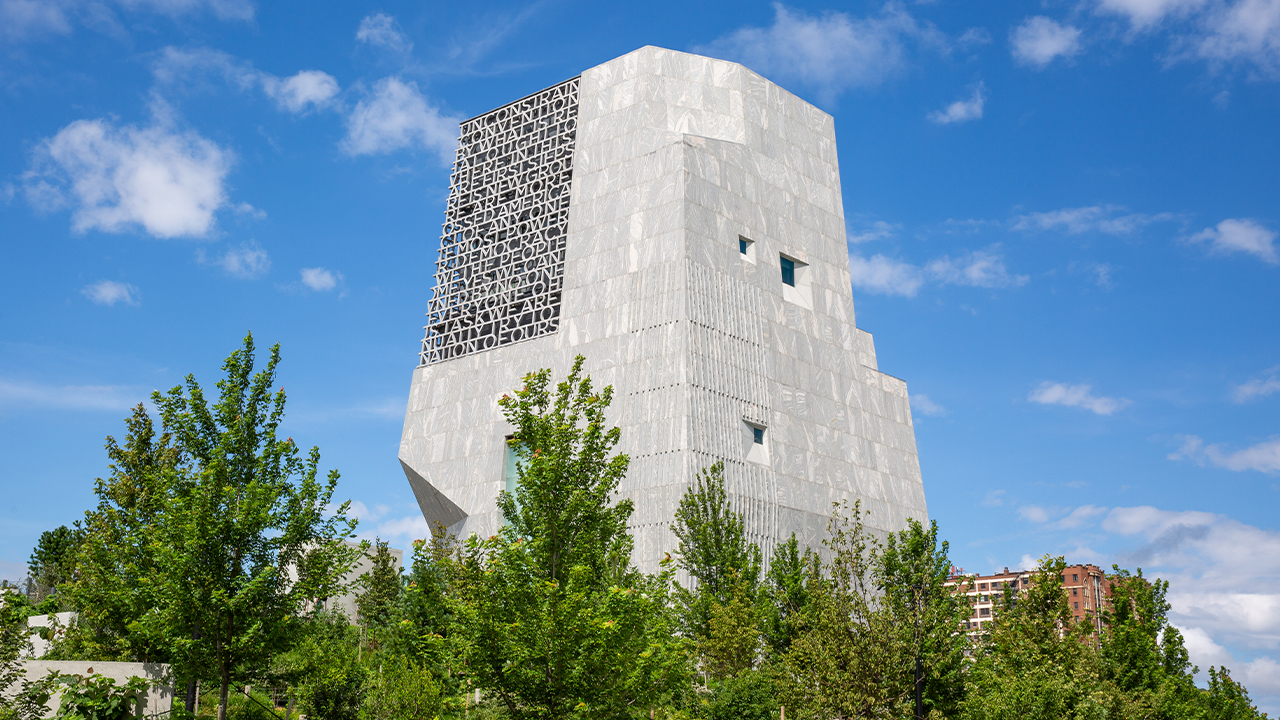
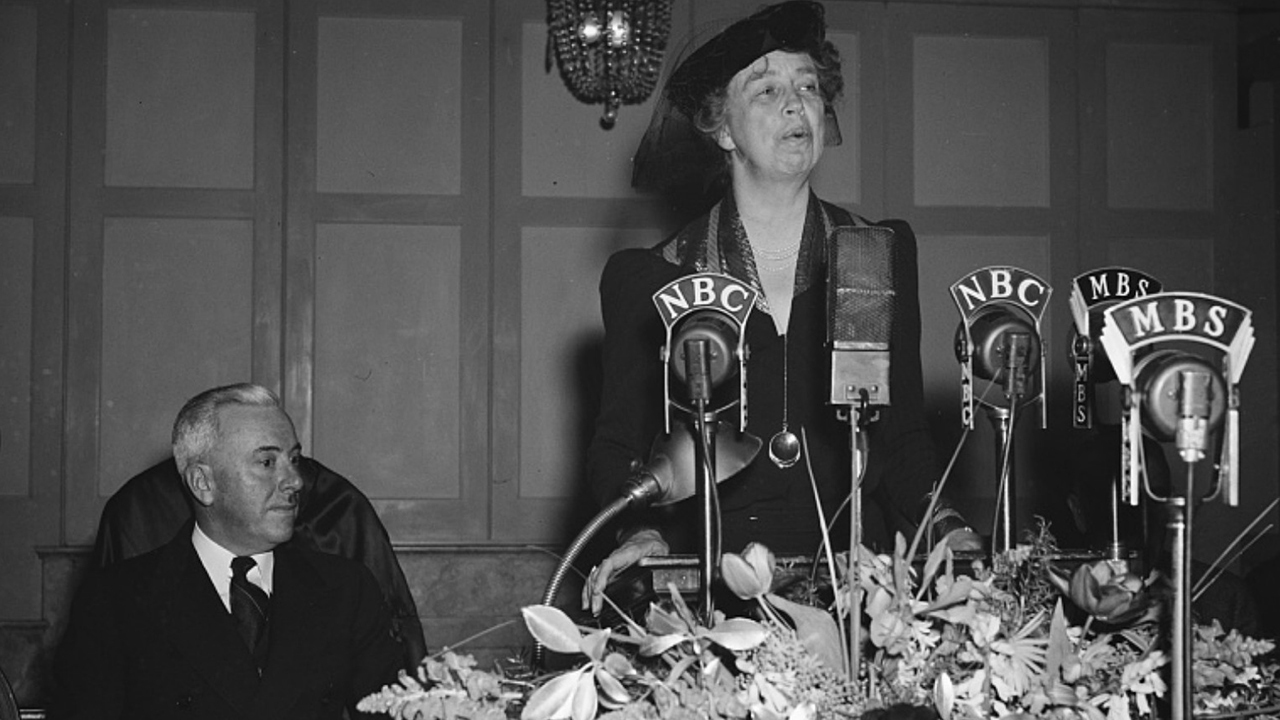
Can this controversial, privately funded $850 million center—dismissed by many as a vanity project, architectural folly, and dangerous precedent—really shore up democracy?
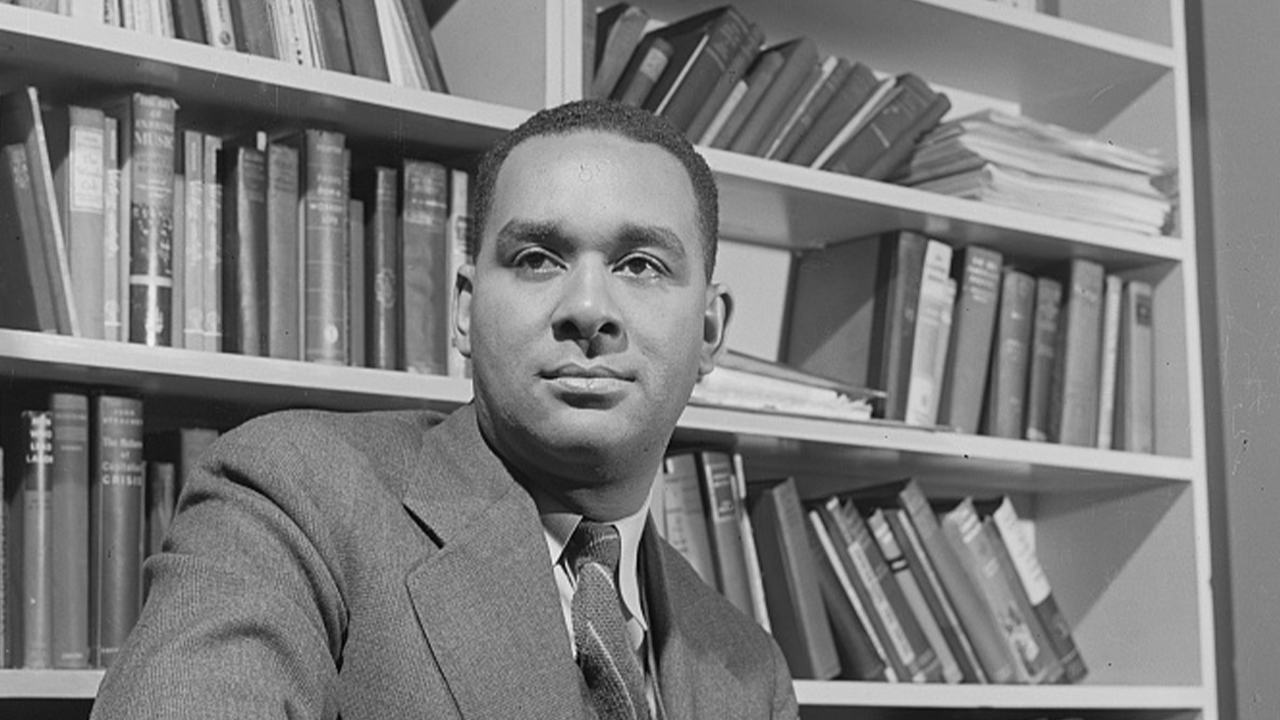
Richard Wright has in common with Thomas Hardy that the plots in his fiction are sometimes intricate to the point of distraction, and the events he depicts are often sensational, sometimes to a fault. His novels published after “Native Son” have much to recommend them. Still, “Native Son” and “Black Boy” stand as his most enduring achievements. They capture the isolation from mainstream society that is the reality of many young Black people, in the time of Wright’s youth and in our time.