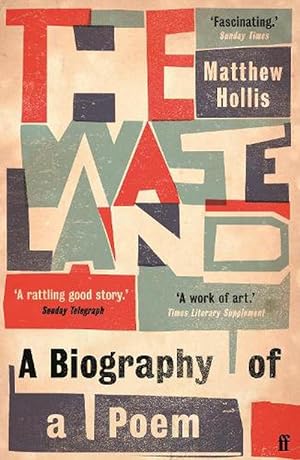
Eliot’s Greatest Poem and His antisemitism
Hollis not only documents the history of the poem’s production and this moment in time–he allows himself, for better and for worse, to get swept up in the drama.
Nathaniel Rosenthalis is the author of The Leniad (Broken Sleep Books, August 31, 2023). His other books include his debut, I Won’t Begin Again, winner of the 2021 Burnside Press Review Book Award, and 24 Hour Air (PANK, 2022). He lives in New York City, where he teaches writing at NYU and works professionally as an actor and singer. More can be found at www.nathanielrosenthalis.com
Hollis not only documents the history of the poem’s production and this moment in time–he allows himself, for better and for worse, to get swept up in the drama.

Funeral sermons for poetry seldom discuss, in detail, a single poem. This is a problem of reception, not of poesis, or making. I offer, here, under a perhaps too-pithy conceit, the antidote: a hyper-close, even seemingly rudimentary, close reading of ten poems from the past ten years that I believe offer glimpses of the most vital work in today’s poetry.
I was seduced by the tautness of his language and the grandiosity of his worldview.
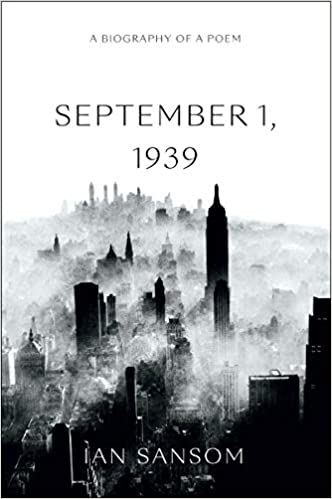
While Sansom’s September 1, 1939 professes to be a biography of Auden’s poem, the result borne out by the actual structure of Sansom’s text and the nature of its many self-reflective digressions complicates that goal.
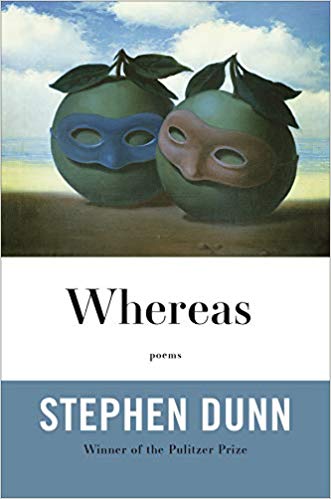
Dunn more or less meets the bar he has set for himself. The question then becomes how a reader comes to terms with a poet who seems content with the strategies and forms he has cultivated for himself.
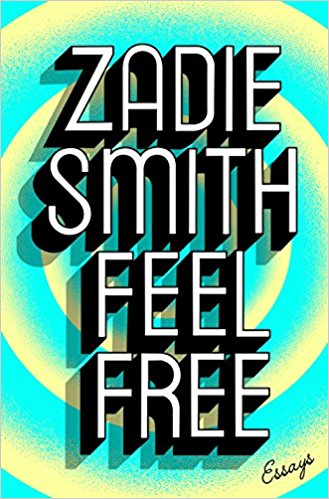
Both of Zadie Smith's essay collections—Changing My Mind and Feel Free—feature extraordinary writing, but Feel Free has a more constantly deeply considered point of view and a wider gathering of material.
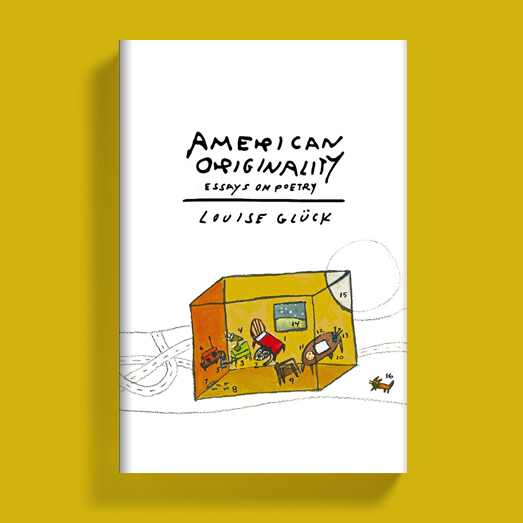
Glück’s essays in American Originality contain many occasional pieces, such as the introductions to collections she picked for first book prizes, but the strongest pieces move outward and inward at the same time, drawing on autobiographical material to better identify and evaluate the characteristics of our milieu.
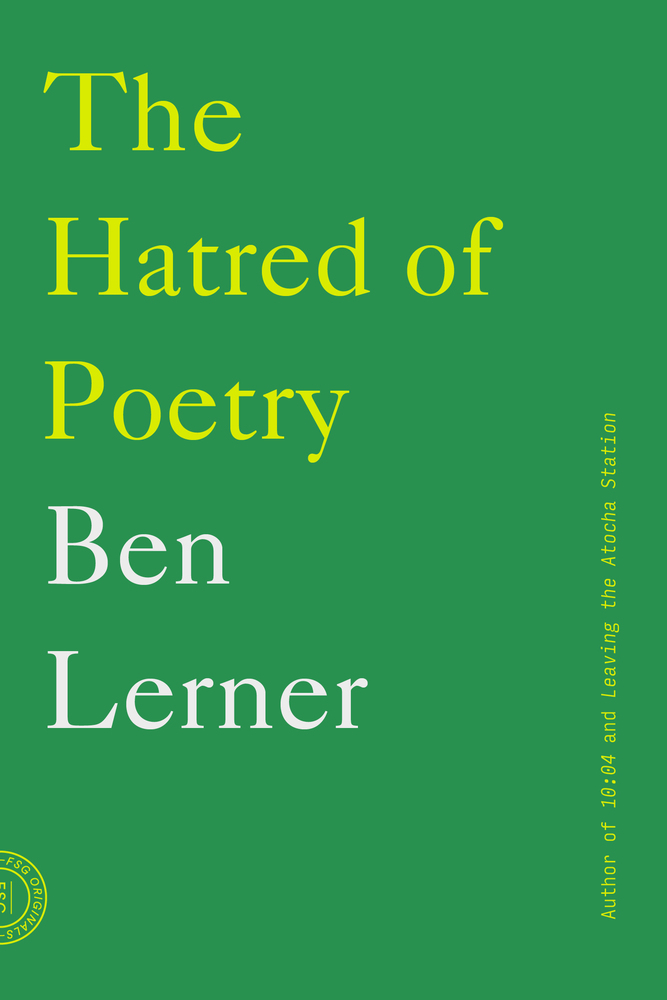
Lerner describes the “bitter logic” of poetry, where a gap always exists between what an individual poem strives to do (“the actual”) and the abstract potential of the medium of poetry itself (“the virtual”). But can that gap be responsible for the enmity many of feel toward poetry itself?