Found Objects: Myself
I looked and looked. It was like looking at another part of myself.
Why is it only certain characters among my friends—the recovered addict who got rich off disaster services, the photographer who did federal time on a RICO conviction, the former scout and paratrooper with traumatic brain injury—tell me they love me? My polite friends, the “normal” ones, the ones with long, seemingly solid marriages and steady white-collar jobs and no priors, do not say such things, despite often having been in my life longer or more directly.
In the best of times it is impossible to know other people fully. Even if we wish to act in good faith, it is hard to express to others who we think we are—and we may not know who we are.
It is a redundancy to say heroism must be shown in inopportune times. The current administration recently put 59 million acres of national forestland at greater risk in an opening salvo of a commodity-mindset war against the environment.
One of the reasons I like the term “novelistic” for these sorts of documentaries is that it stresses how they deal in the mysteries of creation, its meaning, and its emotion. Joel has a song from 1977 called “Vienna,” with the refrain, “When will you realize / Vienna waits for you.”
I was used to my makeup and costume, but the one-inch heels, painful toes, and tight uppers of my tanker boots made me walk suspiciously, like a poor guy with a belly full of free eggs and a heart filled with larceny. My overall straps hung down in back like I had forgotten to fasten them after a trip to the outhouse. Yet the staff treated me and everyone else with cheerful professionalism. They knew how to handle an army of amateurs and loose cannons and get the job done.
Roasting different vegetables on a shared baking sheet, for example, requires some sensitivity and planning. How dense, how hydrated, how sweet, how easily burned is each one? Which one has an aggressive nature; which is mild? How much time does each require to become the best version of itself?
It was the kind of area where my incomplete understanding, which should mean comedy, became not tragedy, not emptiness or absence, but presence without meaning.
Because this film cannot help suggesting a comparison of ’60s engagement with post-millennial numbness, it becomes a bit of an indictment of us, a spreading-around of Hannah Arendt’s evil.
No one had explained what extras could do (choose their own movements to some extent) or could not do (complain or speak to the big names). No one ever said not to look into a camera lens or try to steal a scene. (Of course I knew better than that.) I did not know that most of the main actors were on site. I did not know what determined the length of workdays, or how often water or pee breaks might happen. I did not know yet the tricks some extras used to get on set when it was not their turn, or how many took leftover meals and crafty snacks home to live on as part of their pay.
It is not a small problem, finding the right balance of things in a place to live, including that your time outdoors is not just a walk from house to car.
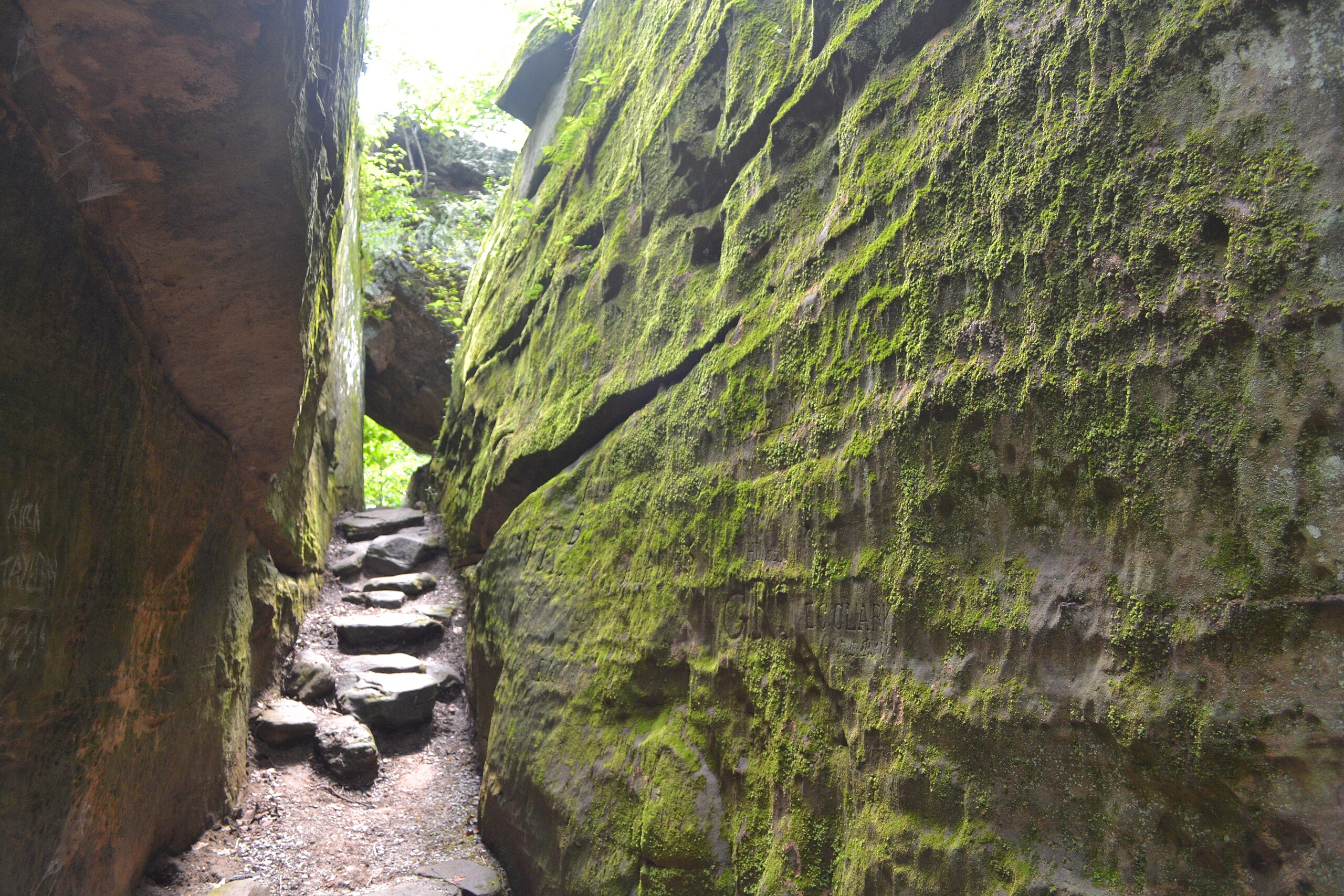
It has taken a few more years, after the expiration of the order, for the logging to start up again, but the Forest Service has again marked 70 acres of trees to be cut in the steep hills of the Shawnee Forest.