Eric Paul Mumford, PhD, is the Rebecca and John Voyles Chair of Architecture and Urban Design in the Sam Fox School of Design & Visual Arts, Washington University in St. Louis. He is the author of numerous books and articles on the history of modern architecture and urbanism, including The CIAM Discourse on Urbanism, 1928-60 (2000, MIT Press) and the recent Designing the Modern City: urbanism since 1850 (2018, Yale University Press). He has also lectured widely on his academic work nationally and internationally, and was the co-curator of the 2018 exhibition Tadao Ando and Le Corbusier at the Wrightwood 659 Gallery in Chicago.
By Eric Paul Mumford
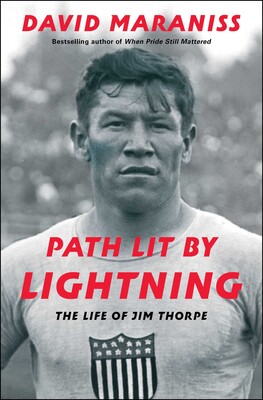
By
John Bloom
With his new biography of Jim Thorpe, David Maraniss has once more written a book about a seemingly transcendent sports figure. Thorpe is widely recognized as one of, if not the, greatest athlete of the twentieth century.
By
Eddie Silva
The poet is the kind of trail guide to whom you ask, “How did we get here?” You may retrace your steps to find an answer, although you are more likely to find other questions, or step onto other trails you had not observed before.
By
Alexander Billet
In Savage Messiah, Laura Grace Ford stands in the best of the “psychogeographer” lineage, at turns practical and imaginative, concrete and incendiary.
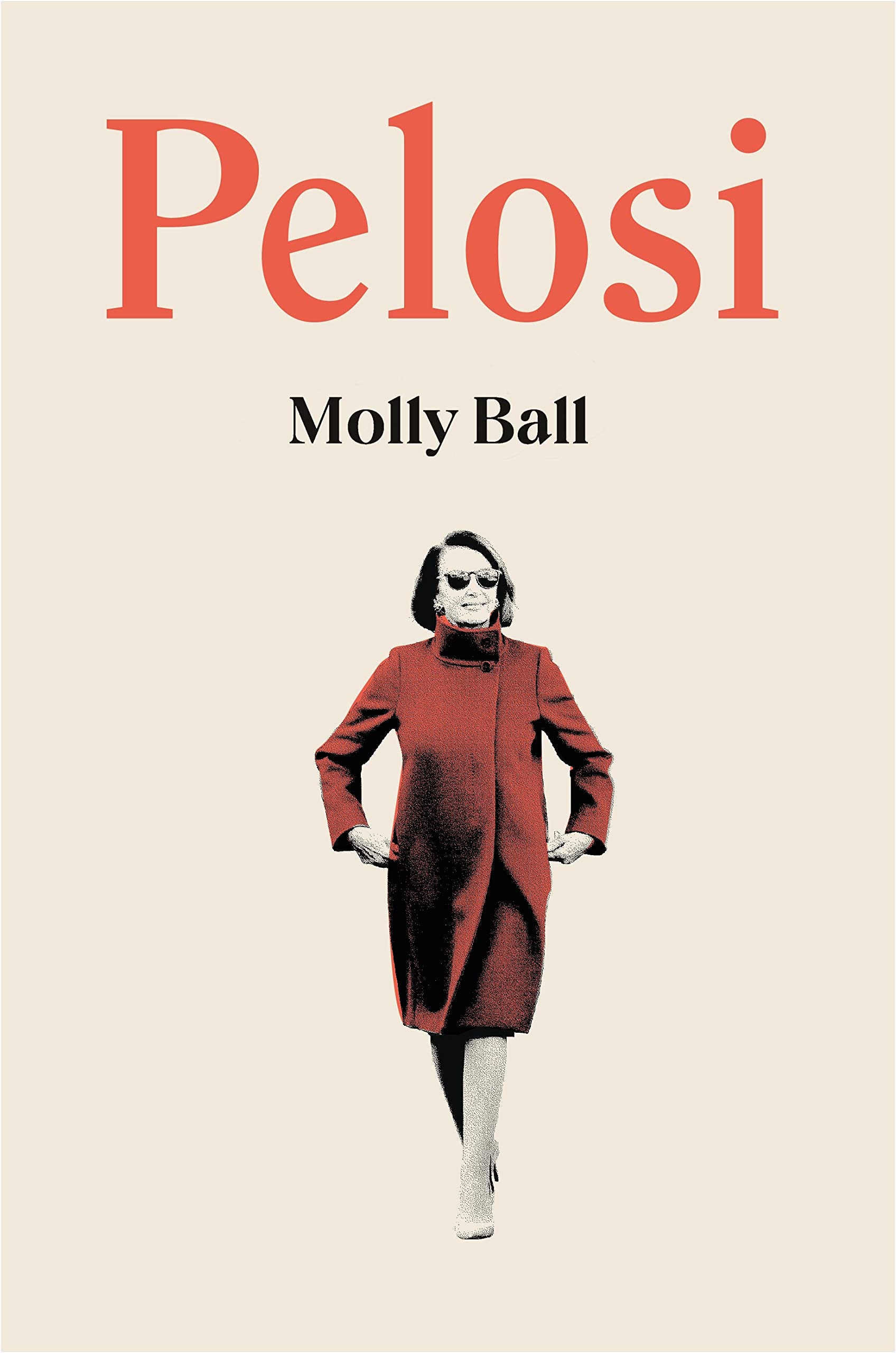
By
Rebecca Hollander-Blumoff
Ball’s portrait of Pelosi’s life in politics is a detailed and exhaustive exploration of Pelosi’s life in politics–an important project that fills a needed gap. But the very nature of the book reveals that the role of gender in negotiation is complex, and Ball’s handling of the issue represents a meta-commentary on the challenge of understanding it.
By
Eric Paul Mumford
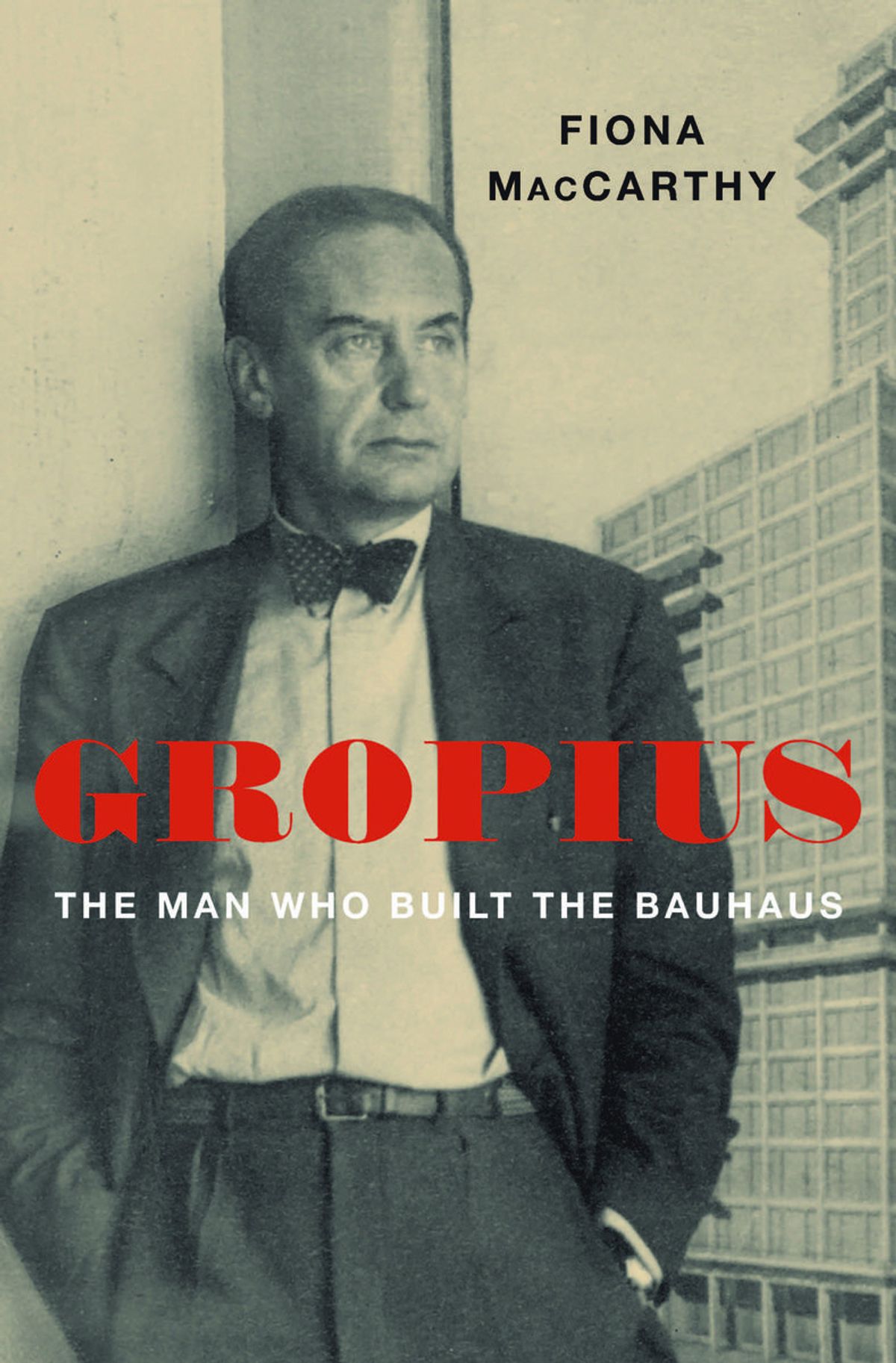
This biography does not address the low opinion many had of Gropius in that era, and it probably will not change some widespread perceptions of Gropius and modern architecture that have taken hold since his death in 1969. It does offer a readable and largely sympathetic account of the complicated personal history of this centrally important modern design educator and mentor.
By
Alexander Billet
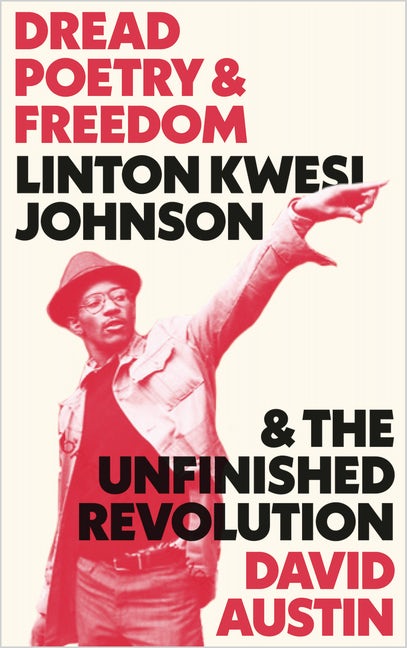
As artistic profile, Dread Poetry and Freedom is successful. In fact, it also succeeds in constructing a worthwhile rubric through which political art can be viewed. Though this may be accidental, it also unveils a broader problem, albeit one well beyond the scope of the book. That is, if poetry can play a role in “informing our understanding of political possibilities,” can it play a role in widening those possibilities?
By
Khury Petersen-Smith
In Worldmaking after Empire: The Rise and Fall of Self-Determination, Adom Getachew returns to the sunrise of African and Caribbean decolonization in the twentieth century. Far from portraying the neoliberal African state as the fulfillment of the freedom dreams of the Black Atlantic’s architects of decolonization, Getachew excavates a vibrant set of histories that show us that those visions were quite different.

By
Michael R. Allen & Heidi Aronson Kolk
Some places record the rise and fall of a significant building, or evoke historical events that took place there. Others, like the site where the notorious St. Louis public housing complex known as Pruitt-Igoe once stood, serve less as memorials than material imprints of loss and unresolved histories.
By
John E. McDonough
The Power to Heal tells how federal health officials—with backing from President Lyndon Johnson and other federal officials—mobilized to achieve a startlingly rapid transformation of U.S. hospitals.
By
Edwin Hiss
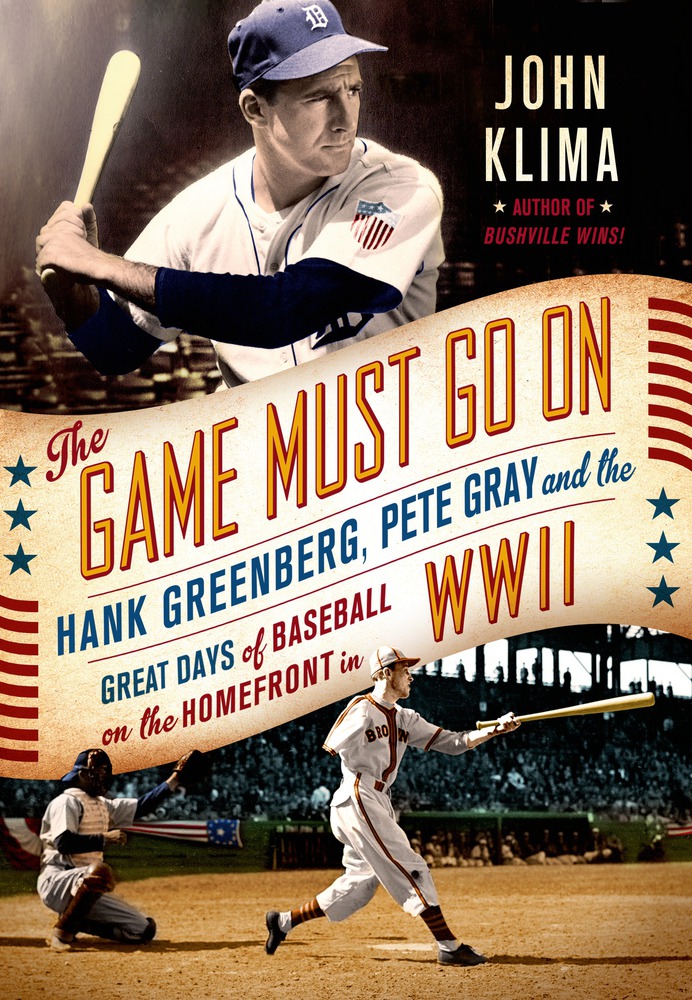
Klima states in the preface, “This is not a textbook or a reference book. I wanted it to be the first book to put baseball players into combat, and to let the reader discover the magnitude of their contributions by making them experience how they felt, yet rose to the occasion at the cost of personal sacrifice." Klima succeeded.
By
Patricia D’Antonio
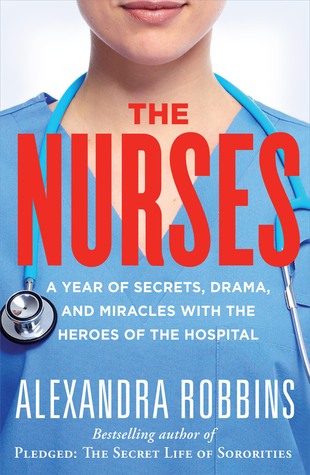
A new book on medicine's front-line workers takes readers deep into an intense, dangerous world still largely dominated by women. It is also a world where their professional concerns are left unaddressed.
By
The Common Reader
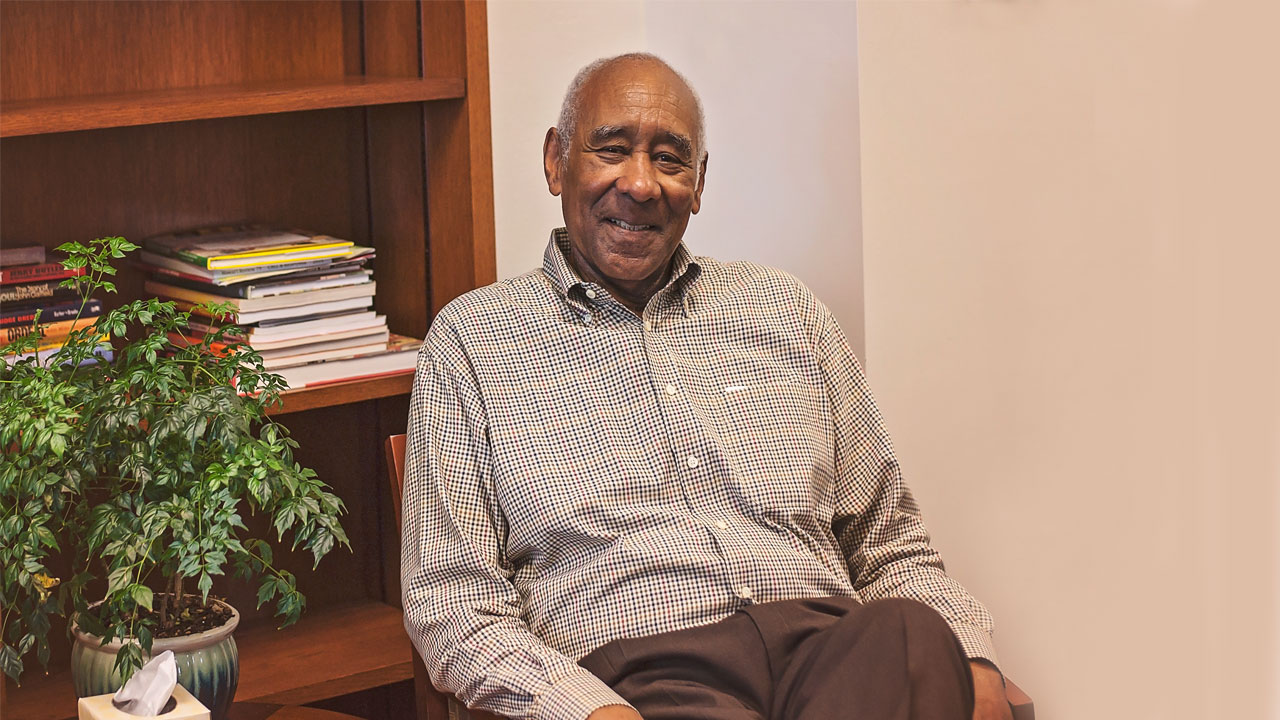
One of the first African American special agents for the FBI, and a veteran of the bureau's Hoover years, reflects on the past and future of law enforcement's engagement with minority communities. "The practice of community policing has, I believe, been a factor in the improvement of relations, but there is still a continuing battle to establish trust," says retired agent Wayne Davis.