
Yes, We Can Be Ambivalent About the Death of Mass-Market Paperbacks
Almost anyone over the age of 40—dare it be said, even 35?—has their own indelible memory of this crafty little reading medium.
Almost anyone over the age of 40—dare it be said, even 35?—has their own indelible memory of this crafty little reading medium.
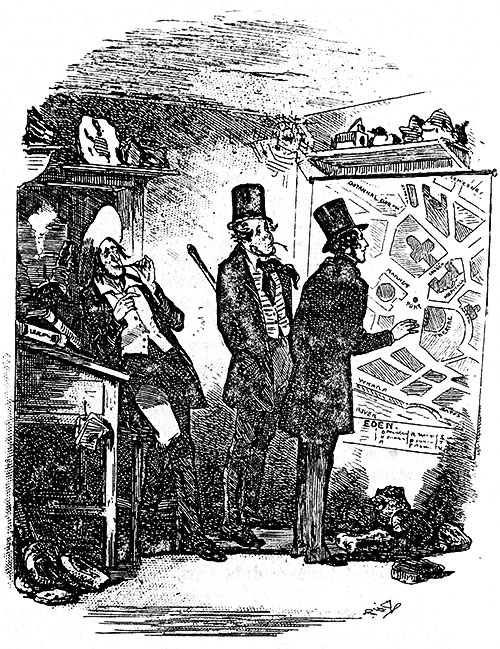
Taken together, “American Notes” and “Martin Chuzzlewit” reveal not only the fun of laughing at ourselves as Americans, but also the folly of how painfully ridiculous we look when we fail to acknowledge our faults and the collective injustices of our history that we would rather walk past. There is no virtue in unyielding, unquestioned “patriotism,” much less iron-clad nationalism. There is only material for ridicule, waiting for the next outsider with literary acumen to describe and document in cold-eyed prose.
Few of us as Americans believe honestly that we are equal in democracy. We only believe that it is better to believe so, rather than do so through policy and programs that will result in strife and arguments. Equality, or as de Tocqueville expressed it, the quality of being “almost the same,” exists mostly in our collective imagination. But if it does not reside, there it might not live anywhere at all.

Sometimes we come across news reports so sad, photographs so jarring, or art and speech so moving, that we know we should, could, or might cry or scream in response. But we cannot. Instead, we cry or scream because we know we cannot, or will not, cry or scream. On some level, this means that Patti Smith has penetrated my soul despite assertions to the contrary. Perhaps that is what makes her “punk.”
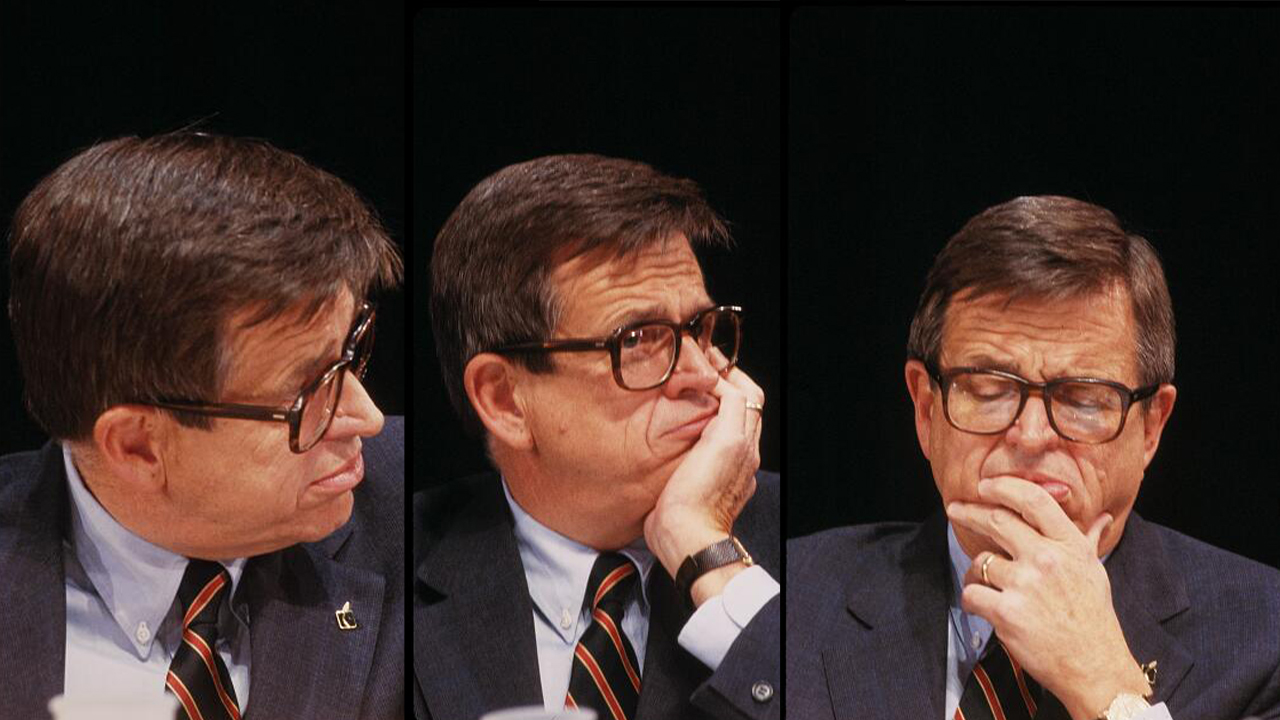
The “hatchet man” for President Nixon, and a chief architect of both Nixon’s “dirty tricks” and the team of “Plumbers” who schemed to smear, libel, drug, and, in at least one case, even assassinate the president’s vast list of “enemies,” lived not just to endure the stain of a criminal conviction and seven months in federal prison, but seemingly transcend it. Watergate historians, however, are not so kind.

Of course knives have utility. It is just that not everything they do is ultimately useful, or always under our control.
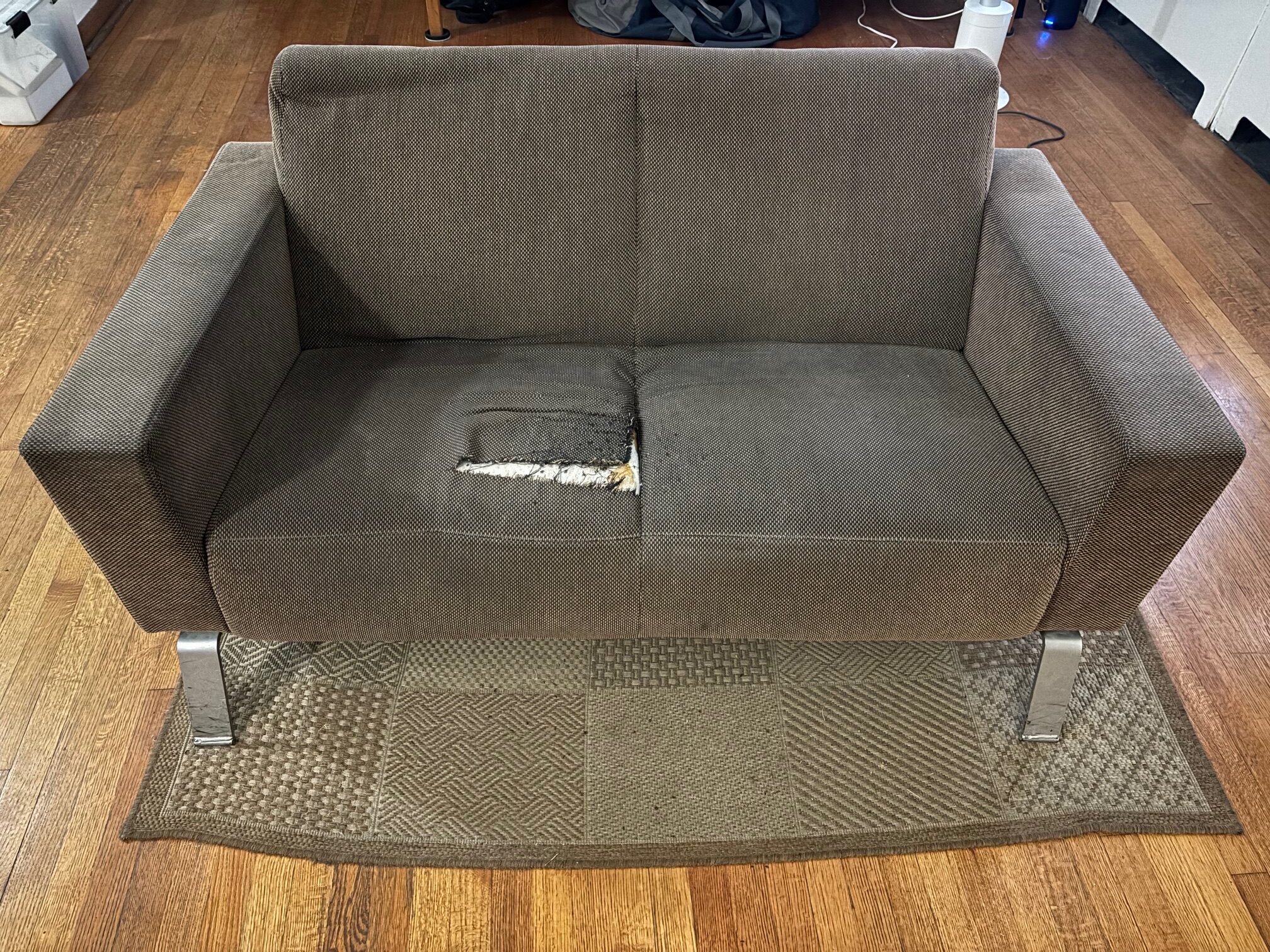
Not once did its wood frame break down, groan under weight, or so much as emit a creaking whine. Credit must be given to the Danes who designed it and then brought it into existence. But credit must also be given to its generous spirit. My old sofa, dubbed “El Trono,” never gave up. And I never gave up on “El Trono.”

Slang is those half-hidden words, code intended only for certain circles, or what our parents used to call “the in-crowd.” “Six-seven!” seems unique in that it has nothing to hide. Past slang involving numbers—the one-to-ten scale of physical attractiveness, the “Five-0” reference to police, the “4:20” signifier for a daily dose of cannabis—all had immediate or even urgent significance. “Six-seven,” by contrast, just sits in its own hollow existence.

It seems fitting that this unnamed woman has so far proved—at least until Noem and her team choose to reveal more—as shadowy as the group she is alleged to have allied with, or was at least sympathetic to.

Do you harbor secret, romantic longings for doing battle with “The Man,” but without the consequences of violent action and even murderous mayhem such causes reap? If so, you have plenty of films to choose from.
Perhaps we can take comfort in the fact that his paradox has at least survived long enough to be quoted and debated in our current age of AI anxiety. Perhaps we should hope against hope that Jevons paradox will prove itself useful all over again.
When we are up against the inevitable limits of human invention and our capacity for patience, it is the music that matters most.