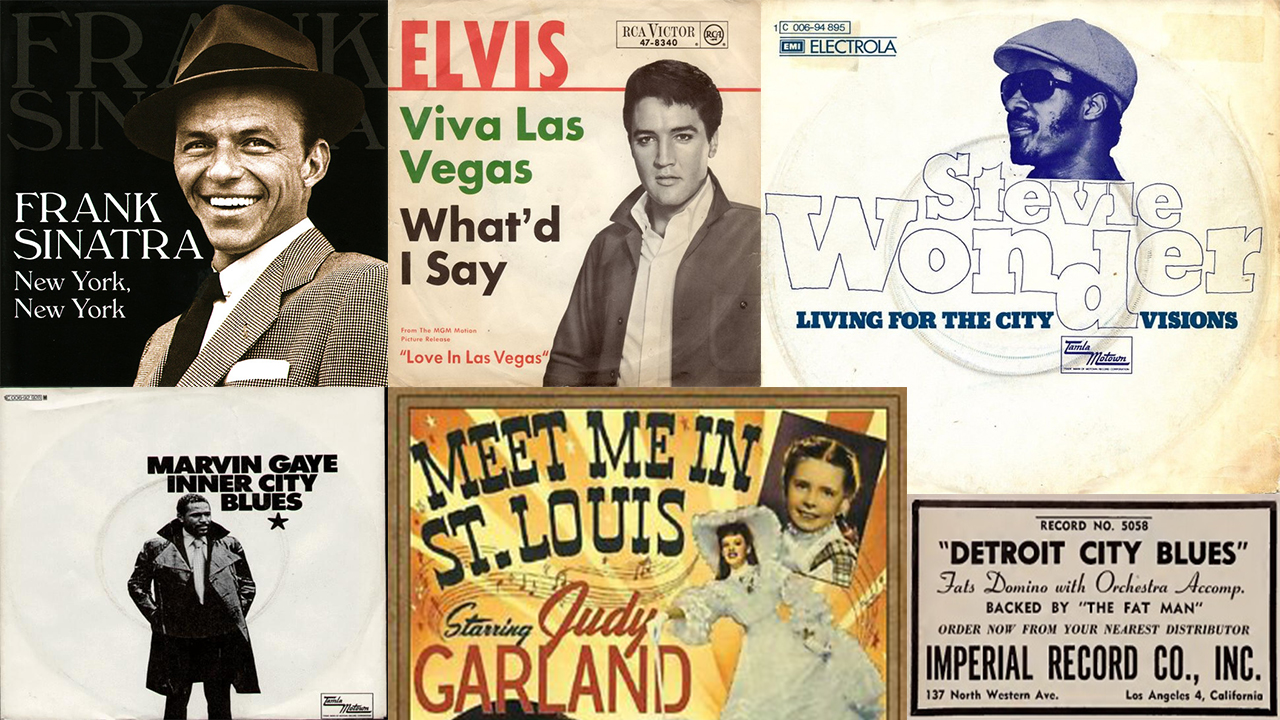
Fifty Songs Featuring Cities and Urban Life
For almost every metropolis—and even a few towns—with streets, neighborhoods, and businesses there is a song with melody, harmony, and a beat.
For almost every metropolis—and even a few towns—with streets, neighborhoods, and businesses there is a song with melody, harmony, and a beat.
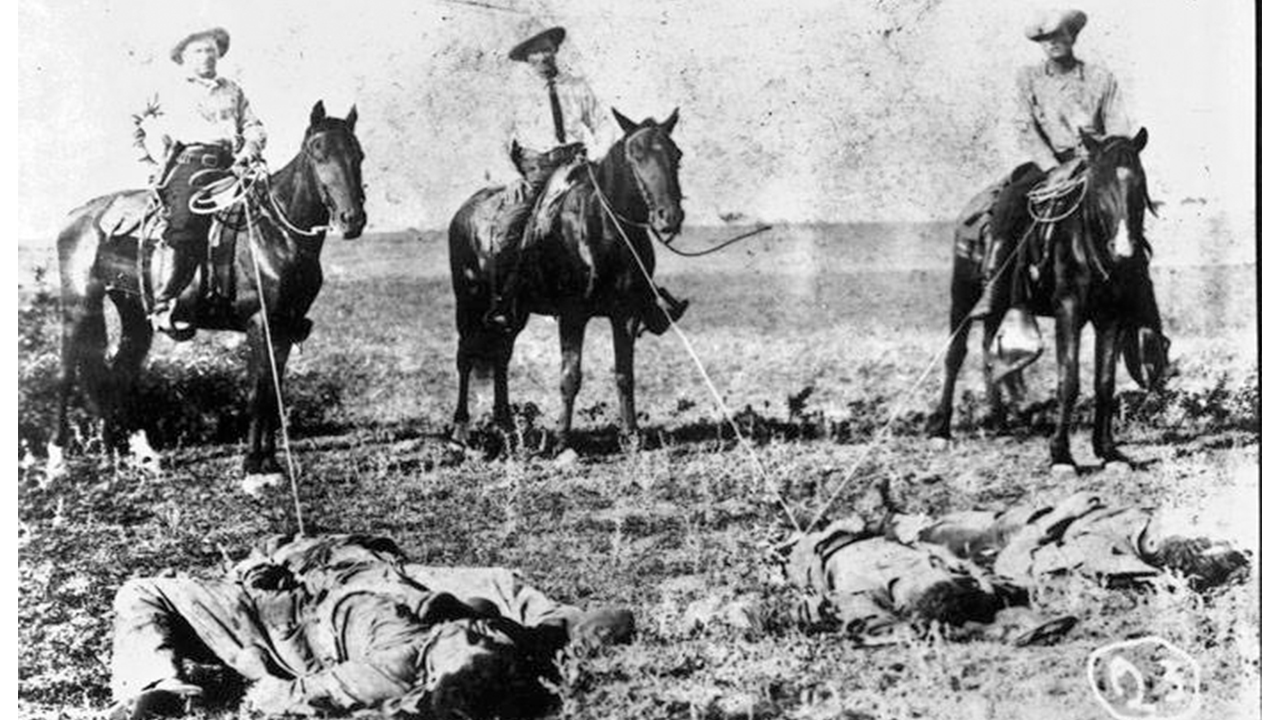
The Texas Rangers are held up as an emblem of Texas exceptionalism, the American protectors in the wild west. First appearing in cinema in 1910, they were depicted as handsome saviors galloping into town to implement law and order in the dusty wake of their stallions’ hooves. For Tejano communities inside Texas and along the border, however, the Texas Rangers were private agents of Anglo terror, responsible for little-known acts of violence that only now are being told.
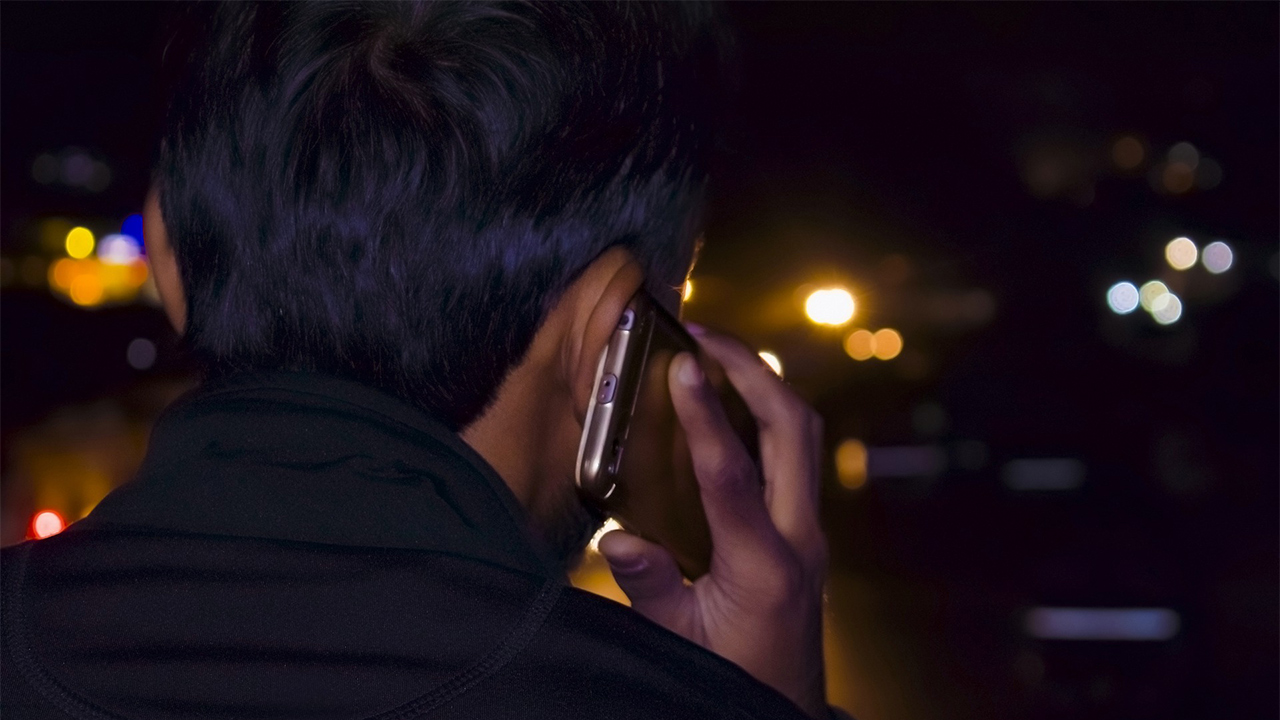
Turning grief around, using sorrow’s dark energy to help others—that was what Brandon Grossheim wanted to do, too. In his mind, suicide was a matter of free will. But when someone is young, inexperienced, swept by intense emotion, refusing professional counseling and prescribed medication, and preferring the swift release of drugs, booze, maybe even death—how “free” are they?
In "Home, Land, Security: Deradicalization and the Journey Back From Extremism," Carla Power—a finalist for both the Pulitzer Prize and National Book Award—moves slowly, gently, into a terrifying psychology.
His screen tests bowled over Korda, Flaherty, and everyone connected with the film. He was absolutely the most winning child they had ever encountered. He was, well, utterly gorgeous, not just his looks, but his manner, his air, his aura. Selar Shalik, who would come to be known simply as "Sabu," did not speak a word of English.
Researchers found that people with schizophrenia had two and a half times the average risk of dying from COVID-19, even after controlling for other risk factors as well as age, sex, and race. Meta-studies consistently show worse COVID-19 outcomes among people with depression, bipolar disorder, and schizophrenia.
I mention the emerging need for woke M&Ms to another friend, and she blinks, puzzled. “But they’re just candy,” she says. “We know the difference.” And this time even I, quick to see and argue symbolism, have to agree with her.
Tech’s latest promise is to engineer our dreams. By rehearsing with VR, zapping certain parts of the brain awake, and cueing it with whispered dream prompts, sounds, even smells, we will be able to rid ourselves of nightmares and implant dreams that make us happy, help us learn, and enhance our memories.
AI can teach us about patterns and processes, theory and extrapolation, math and aesthetics. But what it communicates will not be sensient, self-aware, rooted in profound emotional experience, or conscious of its audience. Listening to Beethoven’s Symphony No. 10 “finished” with AI is a different experience than hearing music wrought by one man’s genius.
Face it: we love . . . ourselves. And therefore anything that resembles us or adores us. Which made switching to the sloth seem incongruous. Those stupid unicorns were our creation and could fulfill our fantasies. Sloths just hang there.