On the Surface of Things

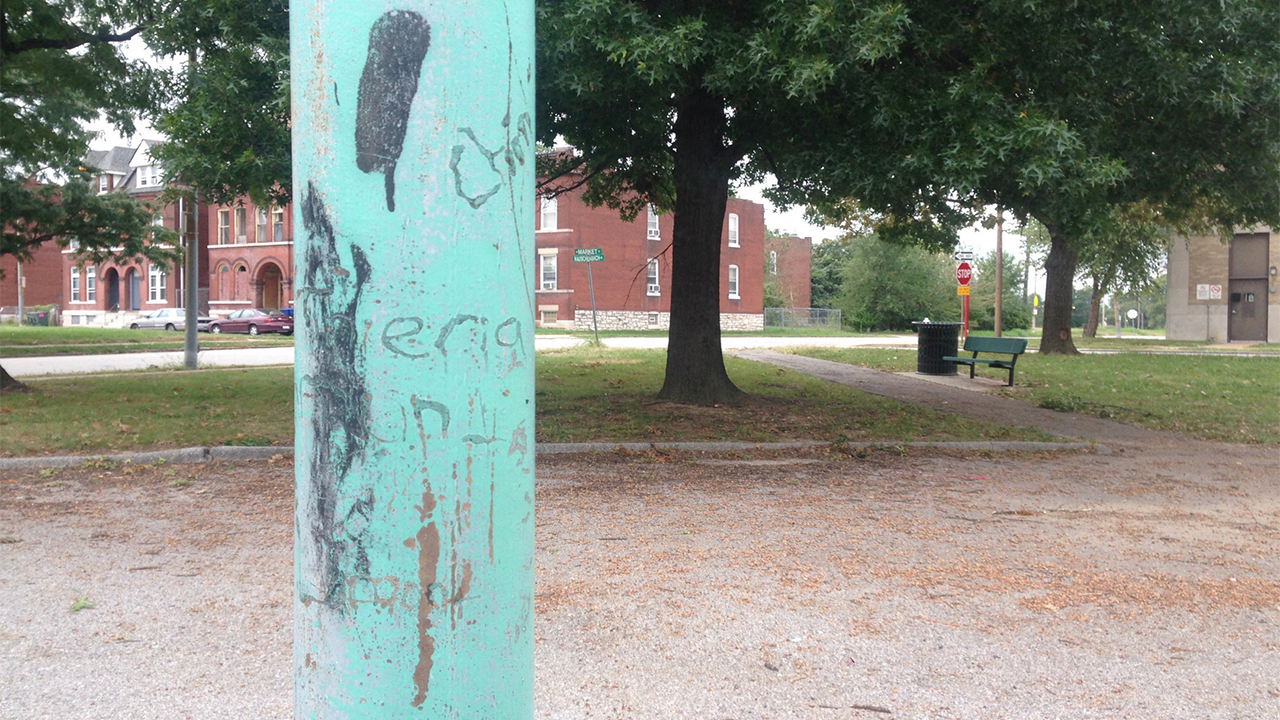
The basketball court in St. Louis Place Park sits just one block east of ninety-nine acres blighted by St. Louis City for the relocation site of the National Geospatial-Intelligence Agency. Like the neighborhood that surrounds it, the black-top has been allowed to fall into disrepair over the past several decades. Similar courts have long served as important social and recreational spaces for Black communities in urban areas across the United States, but this particular court in North St. Louis continues to bear witness to the dispersal and erosion of Black community.
The Climate of Cook Avenue

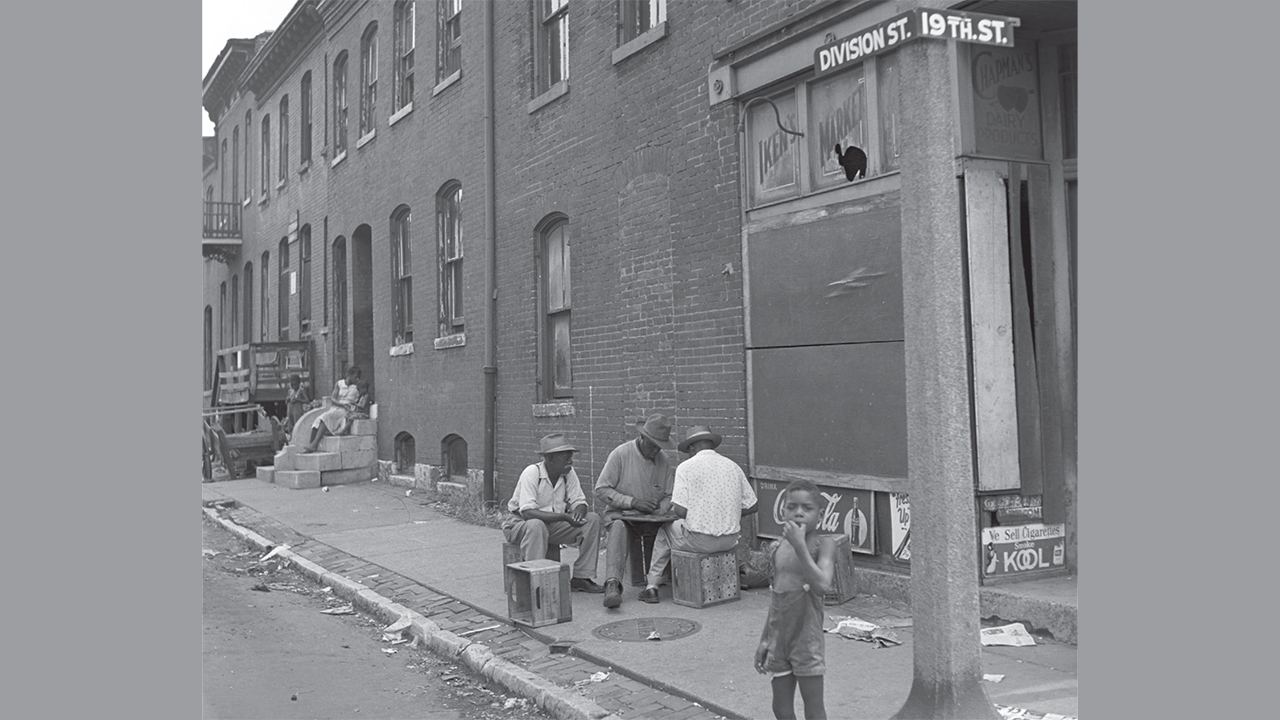
In 1912, White residents faced "a negro invasion": three Black families had purchased homes on the 4000 block of Cook Avenue, including the Hudlin family that May. The action of this Black family moving into "White space" would prompt armed self-defense, police intervention, and changes to the law. The system of de facto segregation that protected property values and racial hierarchies was being legally transgressed.

Love Bank Park and Gentrification on Cherokee Street

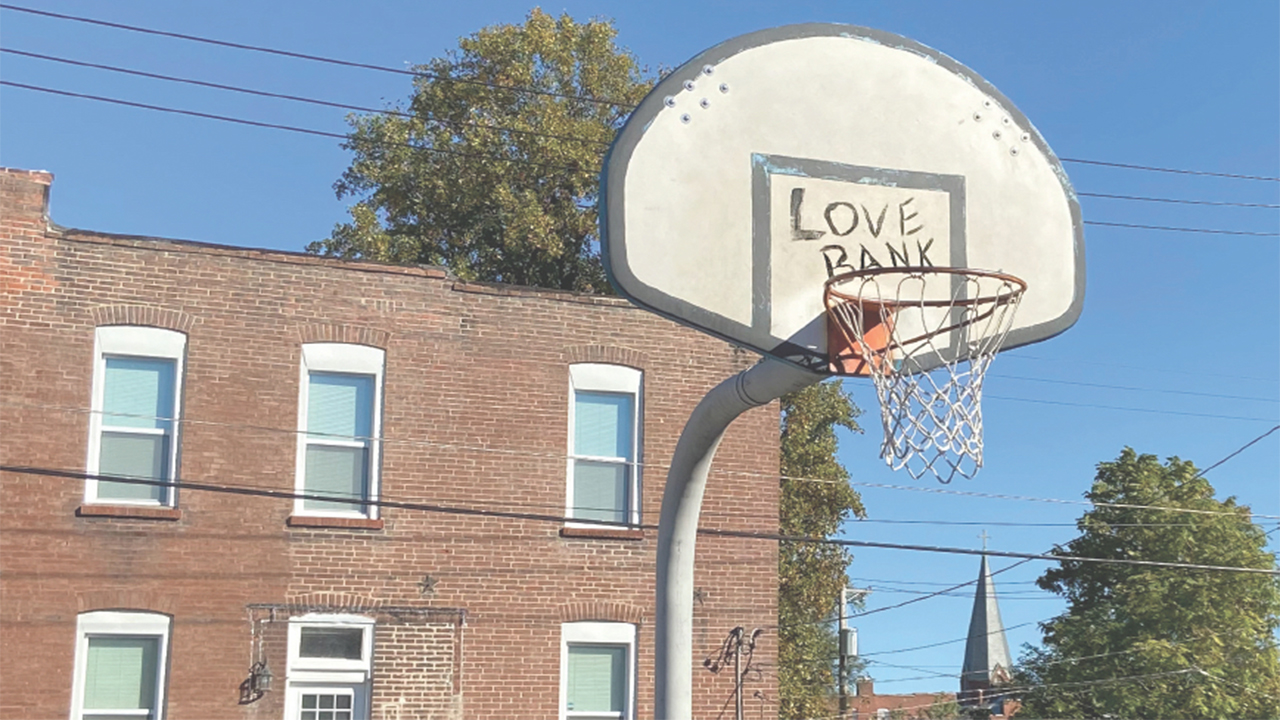
St. Louis’s urban crisis happened along deeply divided lines of race and class, and so is its economic and spatial reinvigoration happening along those same lines. In many ways, the Cherokee Street district, the neighborhoods surrounding it, and Love Bank Park are unique urban arenas that reveal the pains of growth and decline in St. Louis, but they are also situated at the typical boundaries one might find in American cities of the twenty-first century.

This Home is Not For Sale

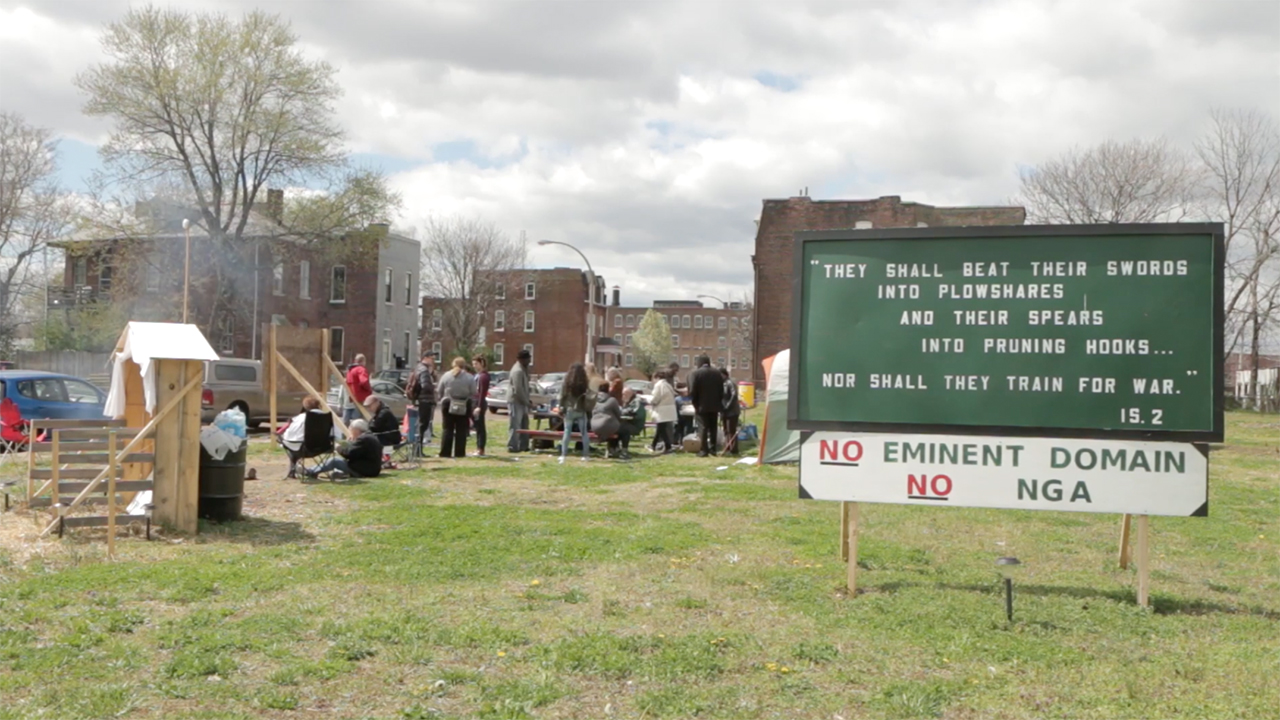
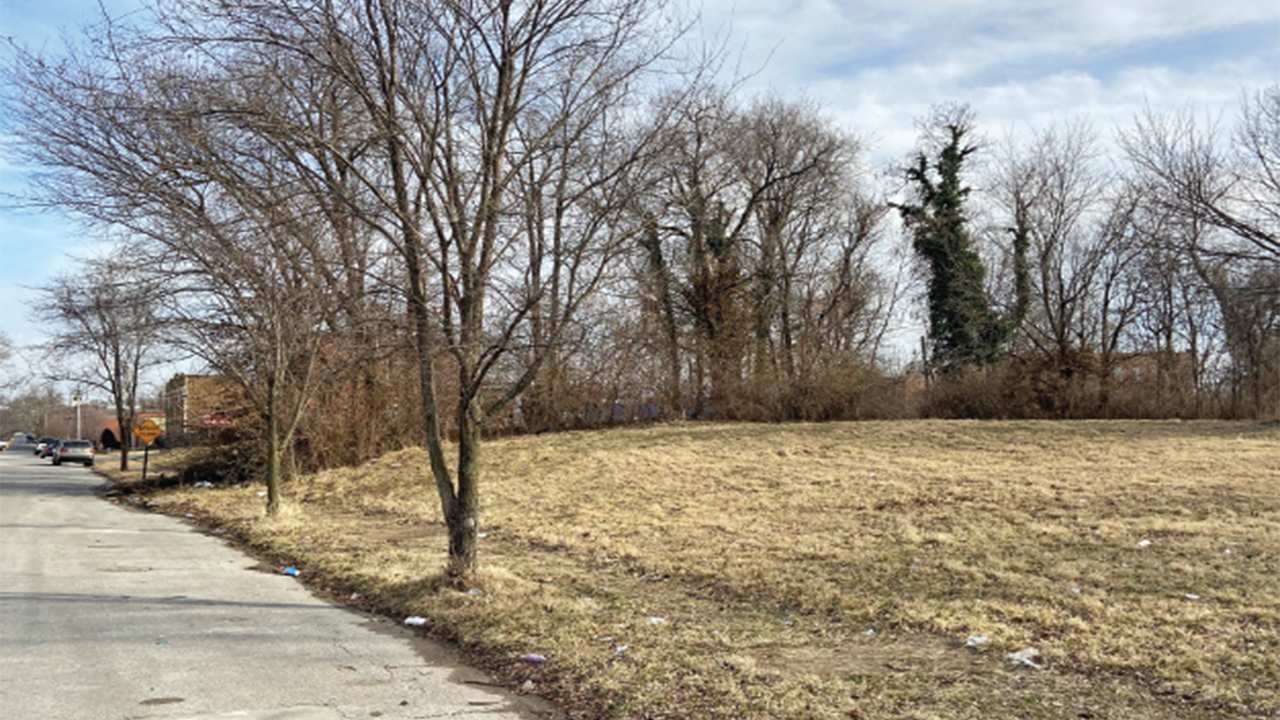
Like St. Louis Place as a whole—a neighborhood so beleaguered and yet so beloved—the grassy lot at the 2300 block of Mullanphy on the near side of North St. Louis manifests many characteristics that can also be found in other predominantly Black neighborhoods across the St. Louis region, from the Ville to Howard-Evans Place to Kinloch, each of which has been subjected to threats from those who would seek to extract their value and expunge their negative associations. At this particular site, the negative and positive have become fatefully entangled, and yet residents have found ways to express its emancipation-heritage significance.

Howard-Evans Place

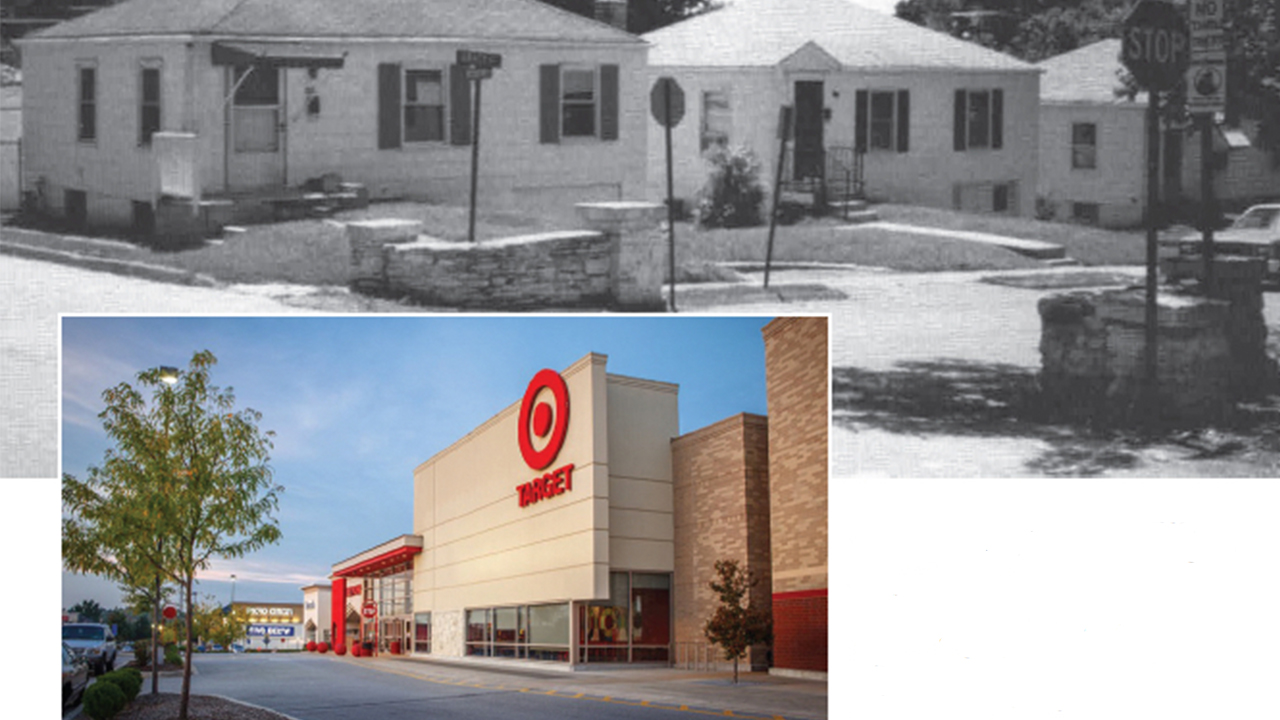
The only physical reminder that Howard-Evans Place once existed is a boulder with a commemorative plaque at the back entrance to The Promenade at Brentwood shopping center, which now stands in the neighborhood’s place. Purchased with Brentwood City funds as a gesture of goodwill, the boulder instead generates hard feelings among some former residents and stands as a cold reminder that a large part of Brentwood’s history was razed for retail.

The Façade of Redevelopment

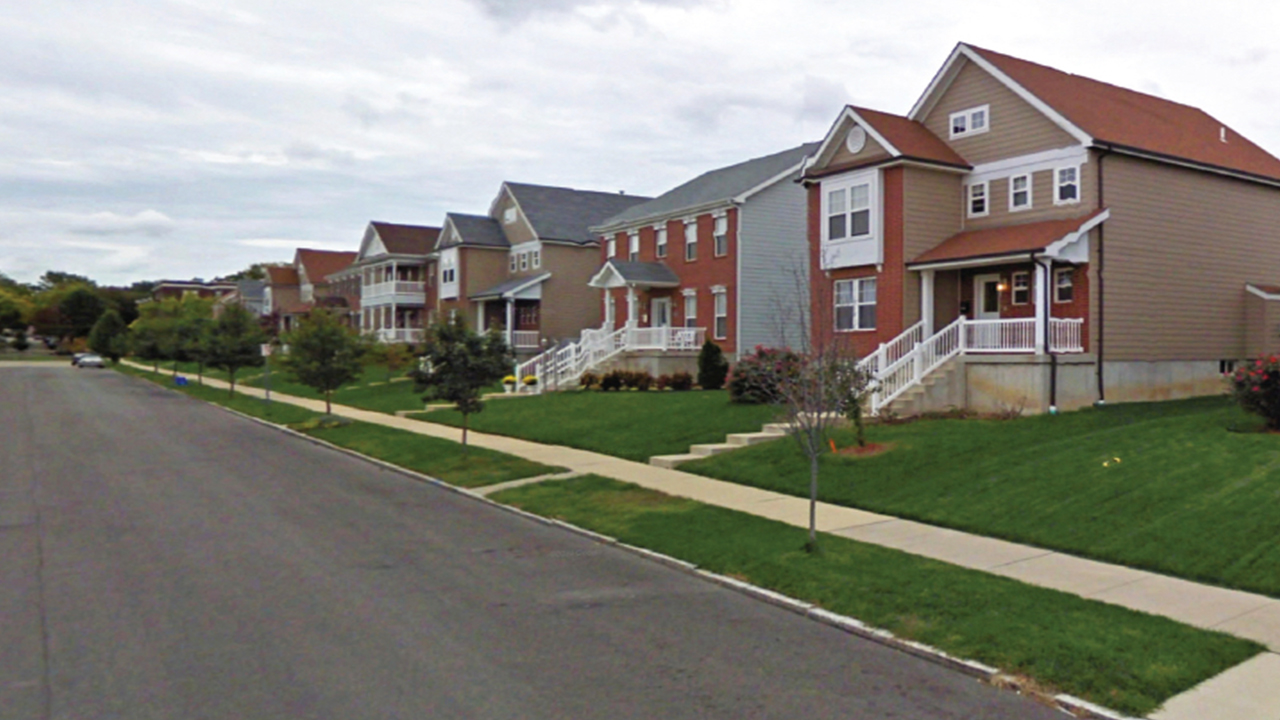
So what are the tools and ideas that made it ok—at least from somebody’s perspective—to remove hundreds of people from their homes under claims of progress and revitalization? What made it ok to level affordable, multi-family units that were so well-made and so important to the city’s history of industry and labor that they were listed on the National Register of Historic Places? And then to replace them with cheap construction of larger, more expensive, single-family homes? Why does wholesale clearing persist if we know, based on the lessons long learned and documented, from redlining and urban renewals to predatory loans, that clearing and exploitation are forms of racial injustice?

Remembering Director Jules Dassin Who Died on March 31, 2008

Well into my adulthood I thought film director Jules Dassin was a European. It was not unusual for me to think this. My interest in film for many years was merely casual, even now; so, I did not pay close attention to the people who made movies.

The Simulation Hypothesis

Astrophysicist Neil deGrasse Tyson shocked a lot of his fans when he gave the simulation hypothesis fifty-fifty odds of being true, adding that it was hard to argue that we were not in a simulation.

The Black Man behind the Curtain of the Rush Limbaugh Show

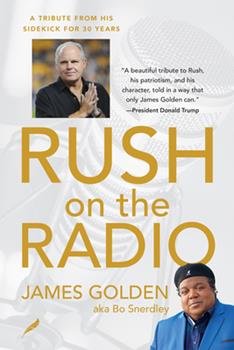
Integrated into this flattering memoir of Limbaugh is Golden’s autobiography, his adventures in radioland as a data analyst, a producer, a call screener, and an on-air personality. The book also devotes considerable space to Golden’s political views as a Black conservative.

Skip to content