What, to the American, is Independence Day?
Many of you may not quite realize that Independence Day for many Black folks is more important than you know, signifying the price paid for and memory of a paradoxical fate.
Many of you may not quite realize that Independence Day for many Black folks is more important than you know, signifying the price paid for and memory of a paradoxical fate.
Six of Washington University’s plant-science biologists are female. They travel the world easily. Not one of them, to my knowledge, has had to shear off her hair and bind her breasts to do so.That was the trick used by Jeanne Baret, a self-taught herbalist who became the first woman to circumnavigate the globe.
I go to church on Sunday but I have been told that addictive personalities find it hard to kick their habits.
The pitch clock is meant to shorten the length of games which, apparently, is one of the major sins of baseball, even in the eyes of the people who oversee the sport: the games are too long. Supposedly, shortening the length of games to under three hours will make baseball more attractive to younger fans, who somehow feel that the national pastime is too nineteenth-century.
In a new study, individuals diagnosed with psychopathy (egotistical, antisocial, and devoid of empathy, guilt, or remorse) were compared to individuals with low or zero scores on the standard checklist of psychopathic traits. Those with psychopathy showed a nearly 10 percent increase in the size of their striatum.
Peecycling could replace at least 25 percent of the commercial fertilizer used worldwide. And the advantages are stunning. First, it is cheaper. Second, peecycling keeps the urine out of the groundwater.
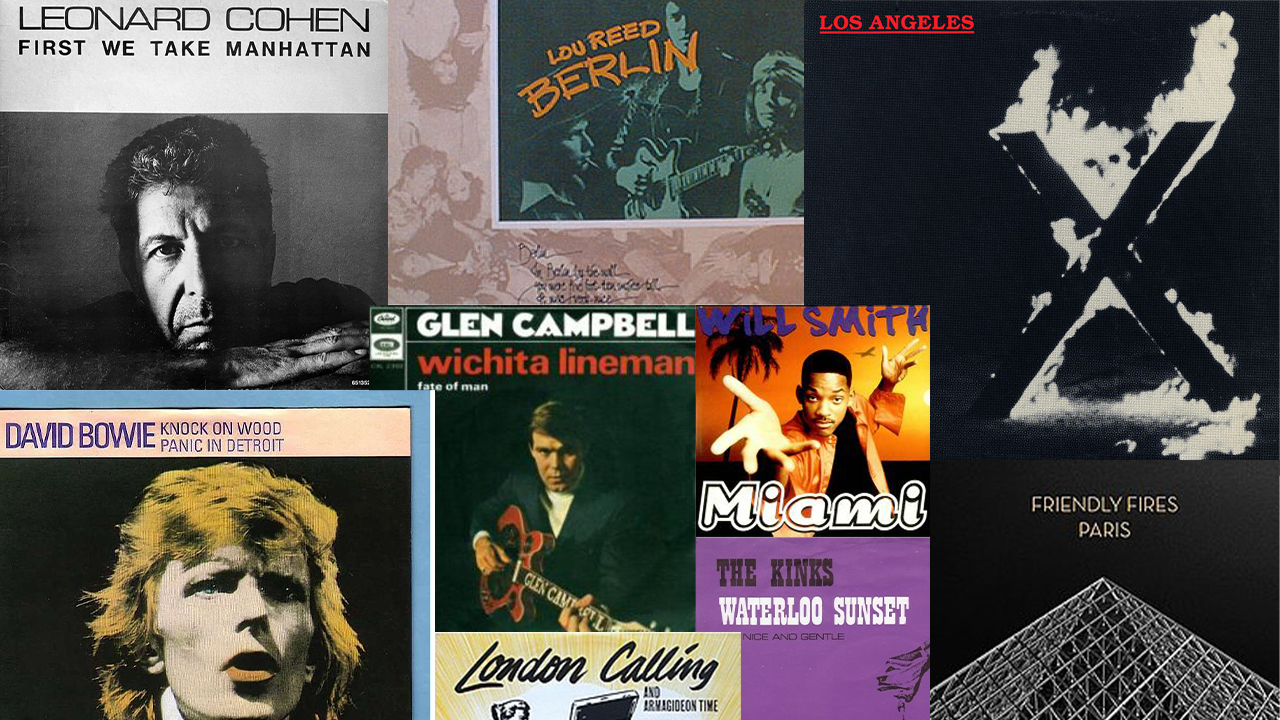
Songs and music give tangible form to the invisible by making the invisible audible, and therefore visible in our hearts and minds. Listening to music, we travel through the human soul. Hopefully, the following songs and music give ample space only to some of the best songs of all time.
Economic espionage takes place with increasing frequency, part of the 700-plus China-related counterintelligence investigations the FBI now launches every year. But because the United States has an open market and laws protecting privacy, individual liberty, and the global collaborations of our corporations and universities, economic espionage is incredibly hard to prove and prosecute.
A whistled melody always sounds carefree. Or maybe people are likelier to whistle when they are happy? When you are sad it is hard to summon the breath. But there is also whistling to while away tedious work; whistling to work up courage; whistling in the dark, of which there is a lot these days.
The age of conquest is over. Today’s zigzag of droughts and deluges is forcing us to see water more humbly.