A Surprising Museum in Washington, DC

Despite some overlaps, military branches do in the end have their own histories, traditions, and, in particular, things, which set an emotional tone. Marines are “Leathernecks” for their stiff collars, originally meant to prevent cutlass wounds. Sailors were “swabbies” for their mops, or “tars” for the tar used on old ships. Navy cadre at the dive school called us “trees” for our camouflage-patterned army uniforms.
Five Years Since Scott Walker’s Gone

The story of Scott Walker is the story not of making it big, but making it big the right way across an entire career, including even the long breaks in between.

A Young Artist Fleshes Out Philosophy

Philosophy needed some rebranding, if people were not to relegate it to grumpy old men. But Becky Moon was just a freshman, so she shrugged off the question and contented herself with doodling fresh, playful little pictures about the thought experiments.

Why Are We Still So Confused About COVID?

Our healthcare system runs on profit. It could use some fortification. Also, a few towers, so we can see farther into the future. And maybe a moat, to keep out the misinformation.

Bill Watterson’s Wisdom Literature

“Calvin & Hobbes” ended in 1995, and Bill Watterson was not seen or heard from much since—until last year, when he and caricaturist John Kascht published “The Mysteries,” a (very) brief graphic novel.

Robert Motherwell’s Defining Images of Change and Strife

It is in Motherwell’s complete and utter lack of direct representation that we might find room to discover the heart of his “Elegies.” He assumes, graciously, that we also have the heart and intelligence to triangulate history, painted images, and varying titles on the theme of Spain’s self-inflicted suffering.

Why Women Are Drawn to “Bad Boys”

Imagine the catharsis, for the gender that has been schooled for centuries to be good and sweet and nice. But girls are no longer forced to be demure—and no longer need bad boys to act out their unlived urges. So why does the appeal persist?

Class, Race, and the Formation of Urban Black Communities

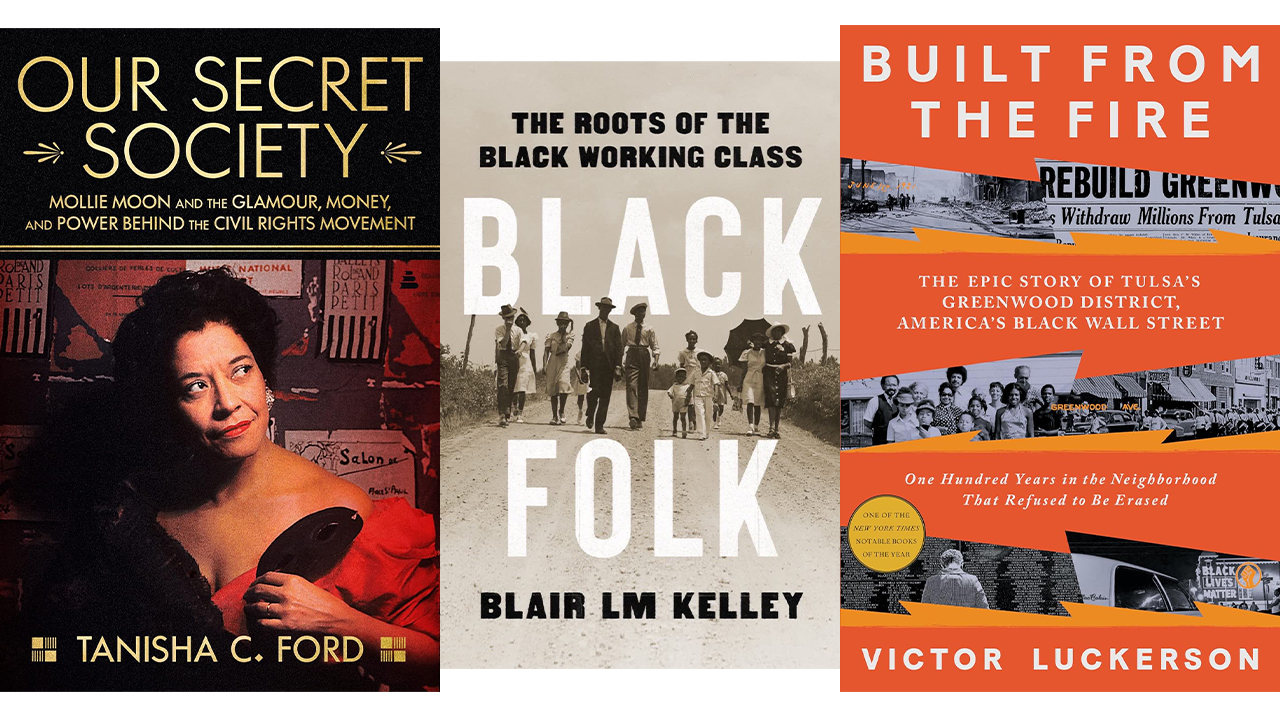
Three rich histories give us the lived experiences of persons negotiating a racialized class system. These new narratives are instructive because Black Americans, despite class being violently raced in the United States, have had robust internal conversations within their own walls about what life as men and women, entrepreneurs, professionals, and essential workers mean in democratic conversation one to another.

Jackie Robinson, Baseball Hero, Liberal or Conservative?

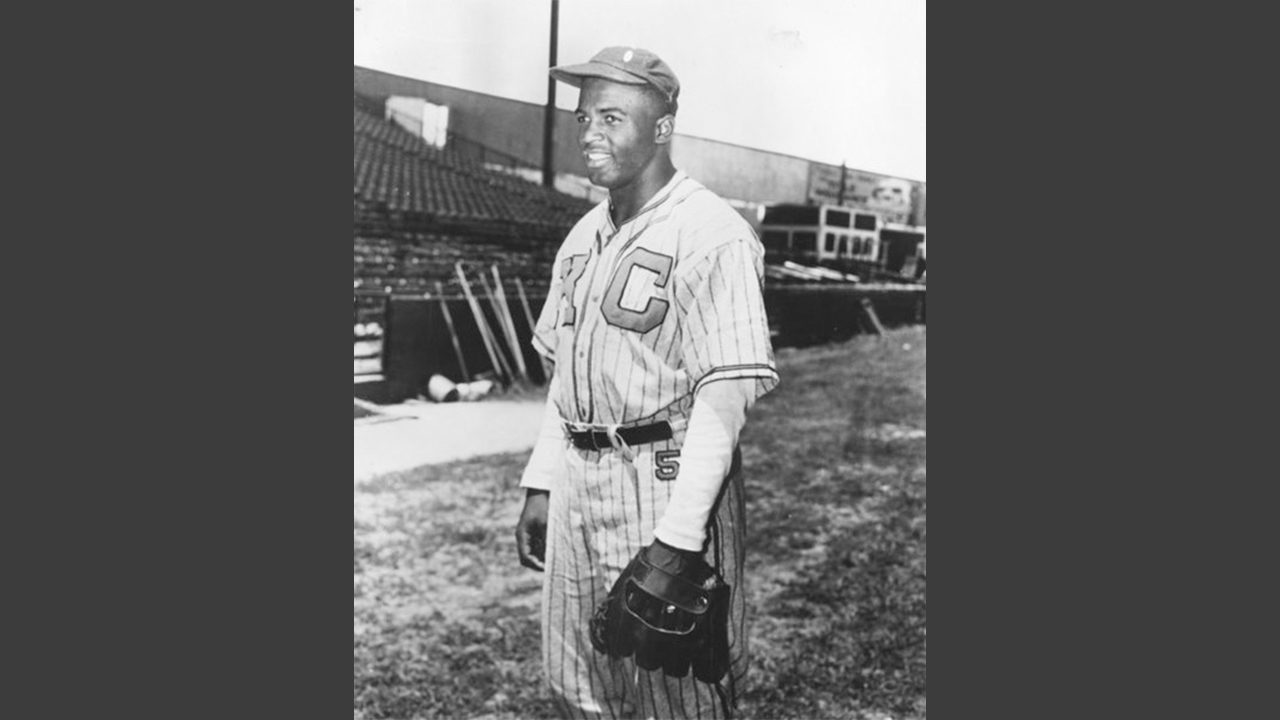
Robinson’s Republicanism, coupled with the fact that he was a high-performance athlete who believed in objective measures of merit and the validity of competition, explain why he hated the idea of lowering standards for Blacks. In this regard he is not different from Wynton Marsalis, Albert Murray, Ralph Ellison, and the late Stanley Crouch.

The Beautiful Game Enhances Its Beauty

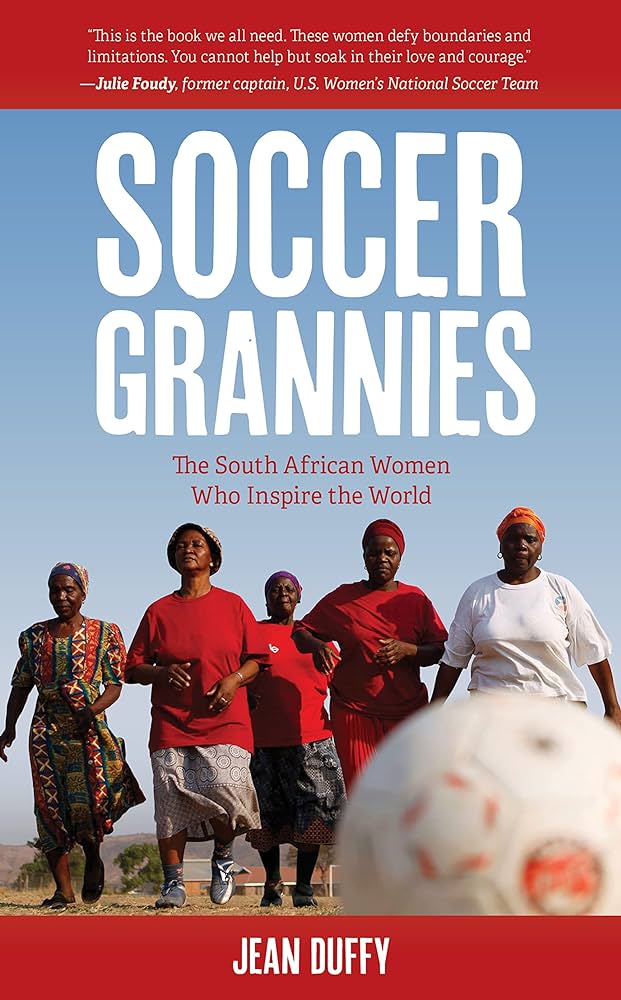
This story reminds the reader of what is possible when groups of people who are separated by oceans, continents, and lived experiences share a love for the same sport.

Skip to content