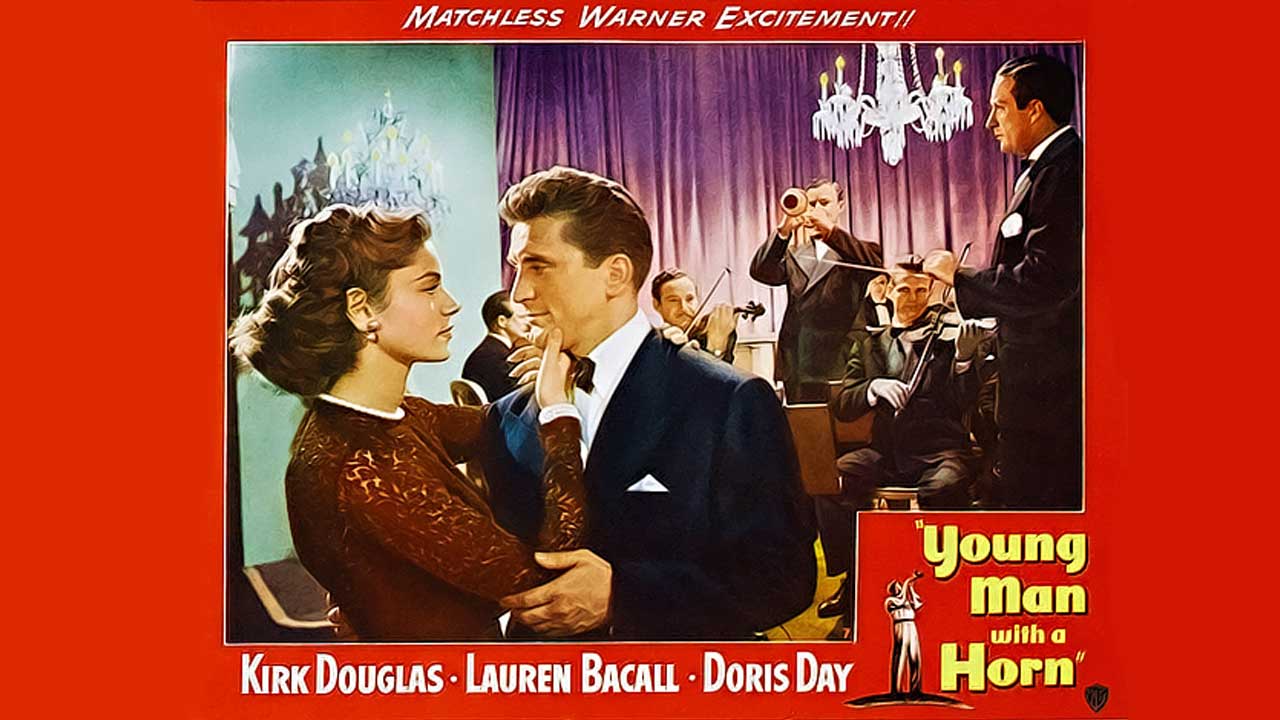
Horns On Film
Twenty films on, and about, jazz hit every note in the genre. And then some.
Twenty films on, and about, jazz hit every note in the genre. And then some.
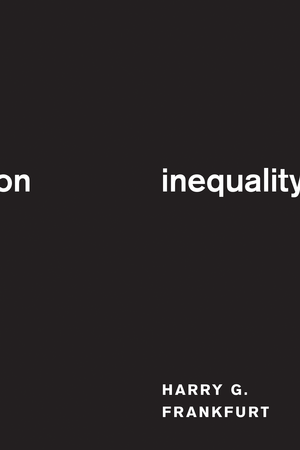
Harry G. Frankfurt, the Princeton philosopher who previously expounded On Bulls—t argues that we are keeping our eye on the wrong ball in current conversations regarding economic justice.

For readers who are new in town, this volume is a tour through a Washington they will not learn about in any guidebook. For others, reading this collection is like, yes, flying home.

Yudell shows how scientists, even with the best intentions of modernizing the concept of race to keep up with current evidence, often wound up reinforcing its standard view to help insure its survival.

St. Louis and Empire shows how the city became a victim of its own success, and why It is vital that the region pursue its agenda abroad, while attending to vital affairs at home.
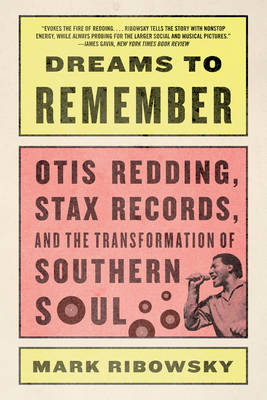
Dreams to Remember is not without its redeeming features. Redding fans may appreciate Ribowsky’s enthusiasm for his subject, and the book is less inflammatory than a 2001 Redding biography so sensational it sparked a libel suit. Readers looking for new insights about Redding and 1960s soul music, however, should leave it on the shelf.

"The peculiar form of an essay implies a peculiar substance; you can say in this shape what you cannot with equal fitness say in any other.”

A popular bus tour of St. Louis reveals the city's larger patterns to make its central narrative, and long-standing tensions, stand out.
The DIY (do-it-yourself) trend continues to grow in popularity these days. With DIY TV networks and websites like Pinterest serving as a hub for tips and ideas, more and more people are embracing the idea of performing tasks themselves instead of purchasing pre-made items or outsourcing. Science hasn’t been…
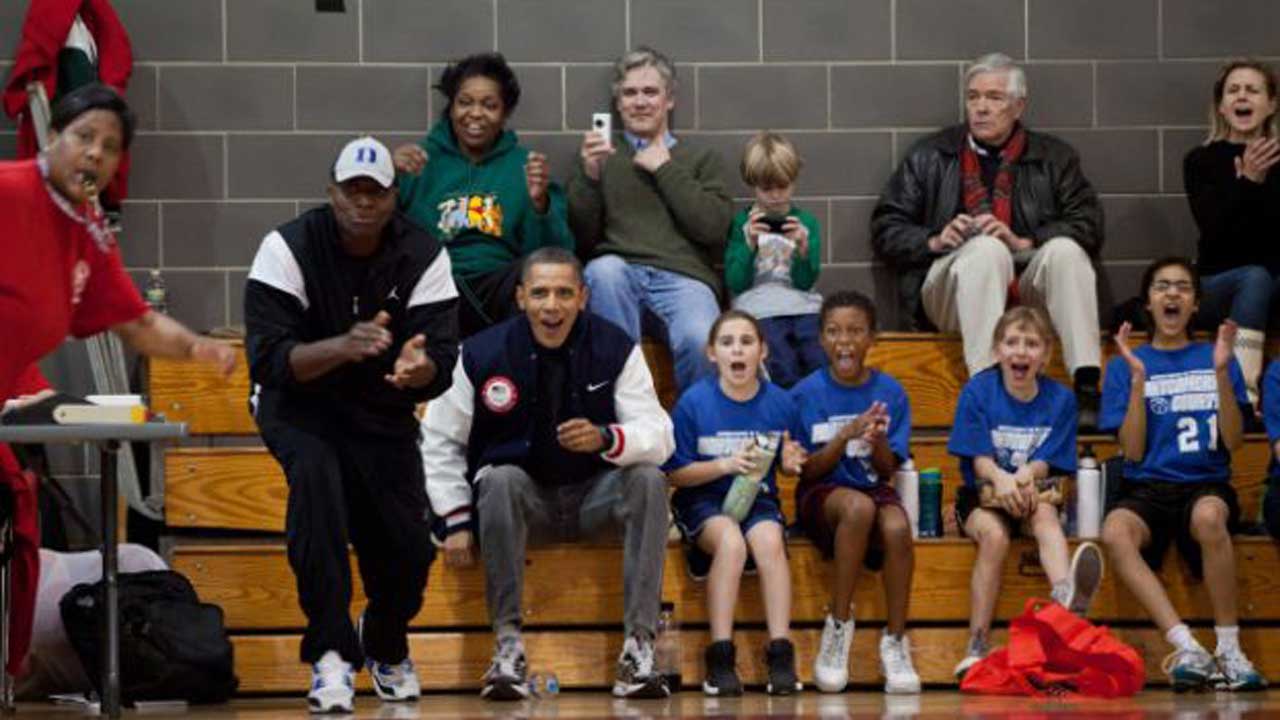
The notion that sports leads politics, represented in feel-good accounts of Jackie Robinson ending racism, have long since failed to pass muster. Yet perhaps the true audacity of hoop in the age of Obama is that off-court political issues are considered by the widest swath of American publics when voiced by those on it.