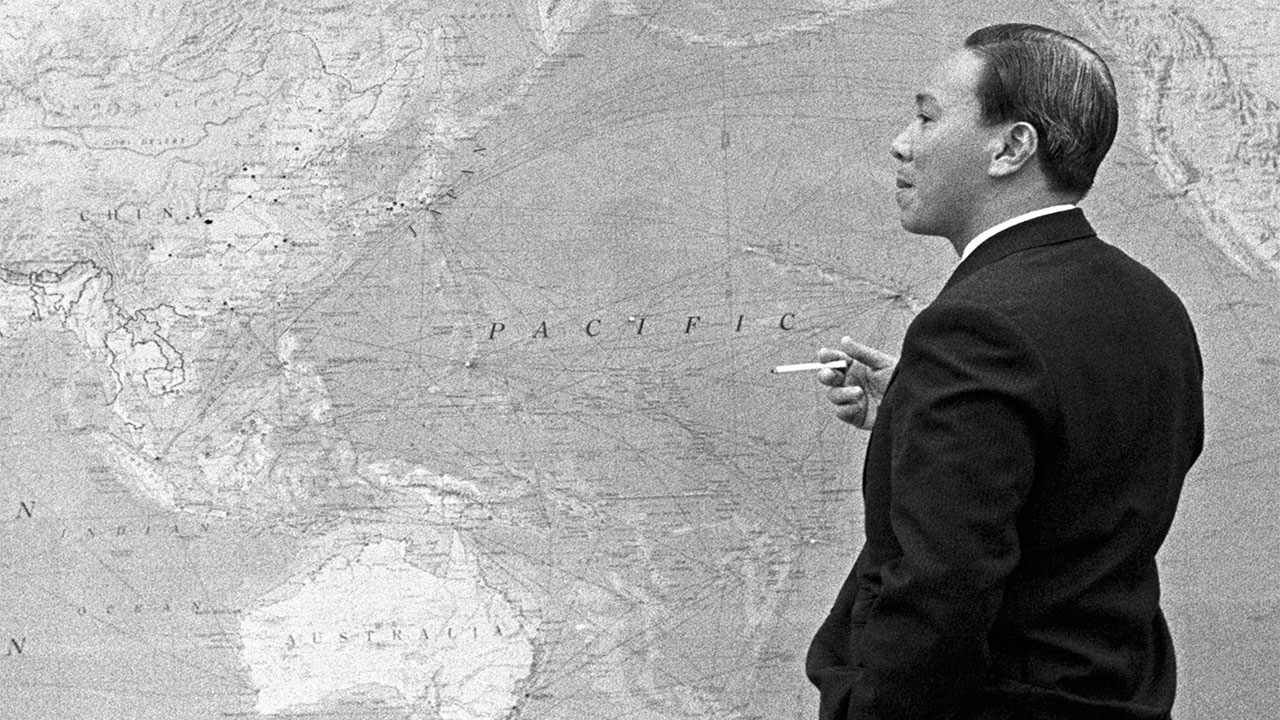
Tsiang of China
Hsu’s thoughtful and beautifully written account of H.T. Tsiang’s efforts to add to the China experts’ conversation about his native land is a brilliant study of “what ifs?”
Tsar Nicholas II At the beginning of 1917, the outlook for the Russian army on the Eastern Front was pretty bleak. A brief glimmer of hope had shined in the summer and early fall of 1916, when Russian general Aleksei Brusilov had led a highly successful advance on the German…
In Putin Country shows that—in the midst of change, instability, and loss of international standing—the average Russian is still looking for someone to restore Russia to its former greatness.
The strength of The Terror Years is its candid portrayal of societal and personal shortcomings and strivings from areas as diverse as the meeting rooms of Washington, D.C., the heat of southern Arabia, and the hinterlands of Afghanistan.
Charles Clover catalogs each of Putin’s references to Eurasianism and, in so doing, draws a picture of Putin’s policies that pose an existential threat to Russian democracy, the Ukraine and other former Soviet republics, to Crimea, to European unity, NATO, and liberal and democratic institutions everywhere.
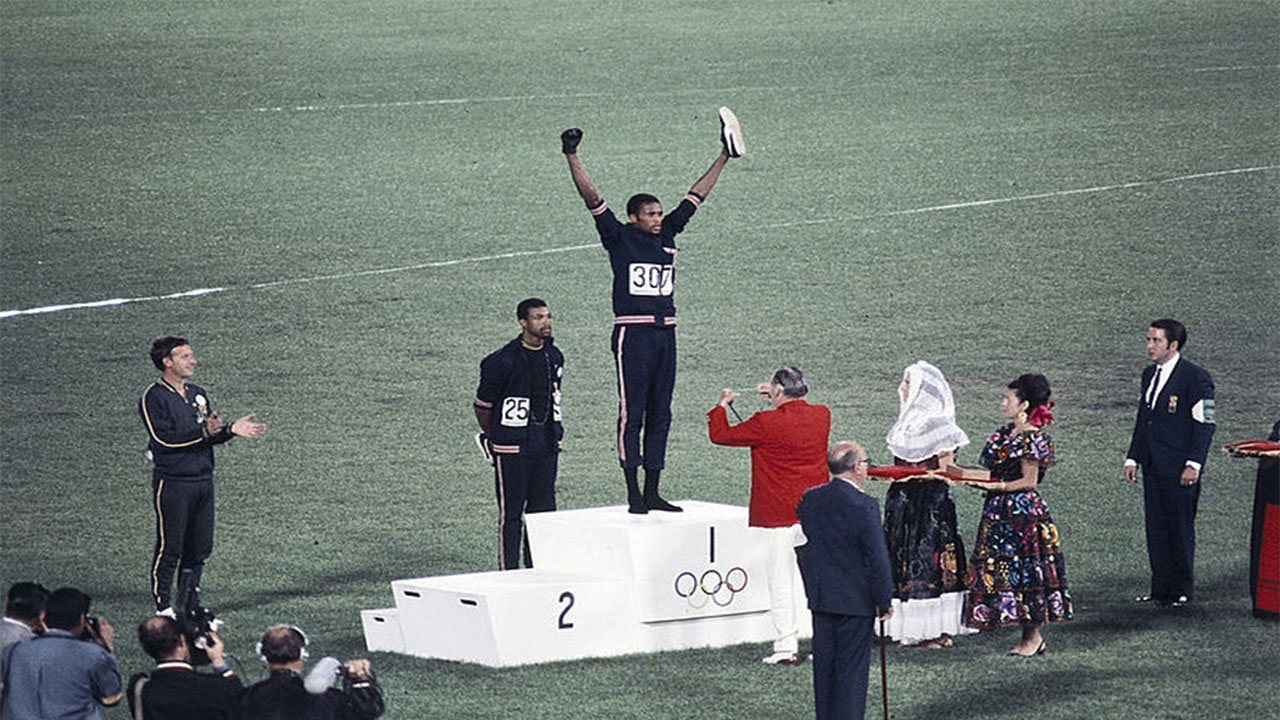
In some ways, the current wave of African-American football players kneeling during the national anthem replicates the Bebop revolution that changed the public persona of the black male jazz musician. Now it is black players demanding that audiences recognize that their attitude is not the same as their white peers.
In every decade since the Sheol, the films that resulted reveal wider, prevailing attitudes toward Jewishness, history, memory, and psychological trauma.
In his early work Bernard Malamud used Yiddish constructions and words reminiscent of the Jewish folk tradition of Eastern Europe. But with his first novel, The Natural, he embraced a Midwestern hero, the American pastoral, and a pastime he loved: baseball.
When recognition is embodied, it is nearly impossible to ignore.
Marmur elucidates Heschel’s theological and social contributions through a systematic study of his use of quotes, footnotes, and citations. The result, a coherent, succinct, and systematic portrayal of Heschel’s work, is an important and impressive contribution to the critical study of one of the 20th century’s leading theologians.