Between Optimism & Diligence
I am also hoping the long hot summer of 2020 will foster a new understanding of the fact that crime is systemic, it is not simply individual, and that deep systemic solutions are required to handle all social problems.
I am also hoping the long hot summer of 2020 will foster a new understanding of the fact that crime is systemic, it is not simply individual, and that deep systemic solutions are required to handle all social problems.
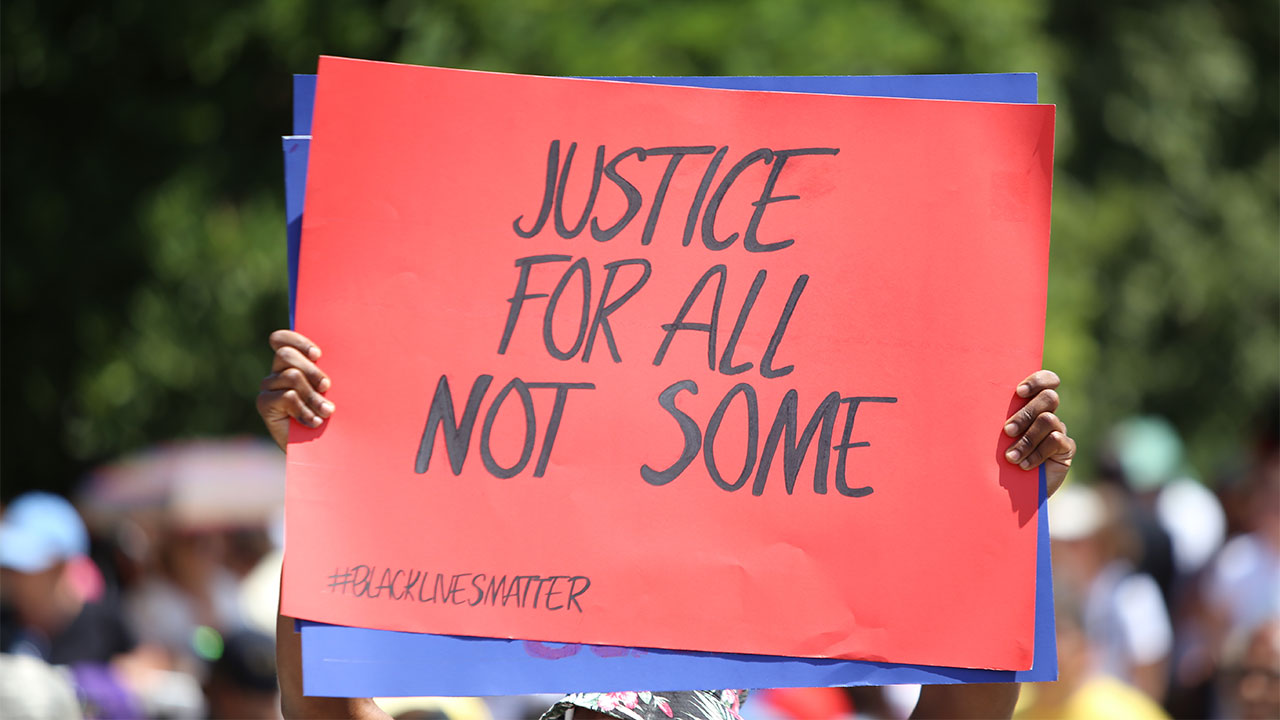
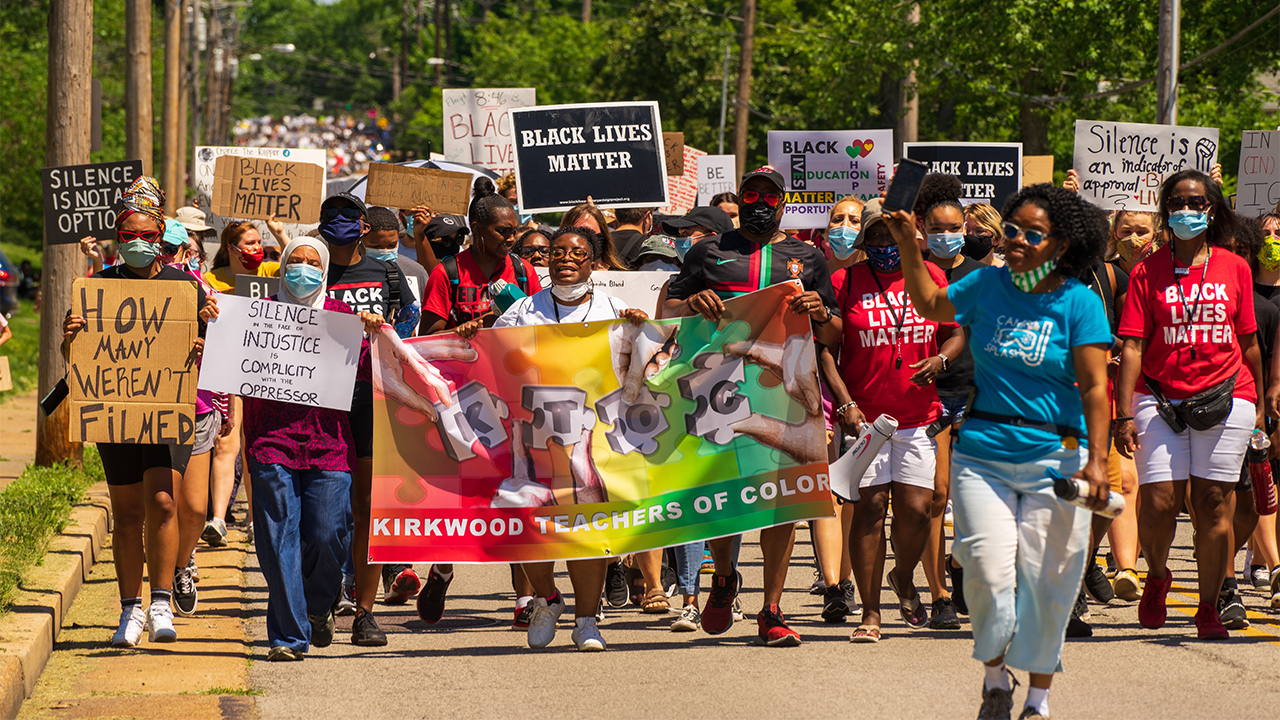
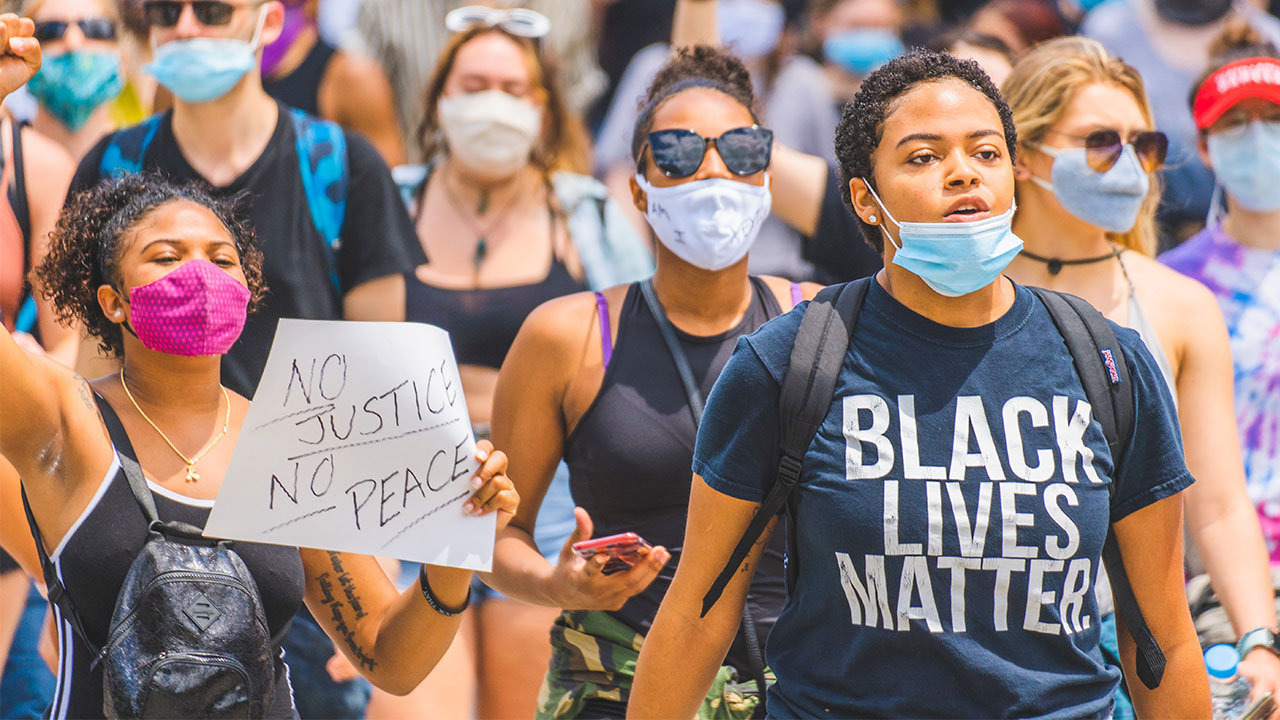
Real democracy, or “rule by the people” is not just about voting to elect public officials, campaigning for parties and candidates, and engaging in debates about the issues of the day. It is also about ordinary people—people like the early twentieth-century suffragists, the striking auto workers of the 1930s, the Freedom Riders of the Jim Crow South, and the Black Lives Matter activists of 2020—exercising their political power to fight for change.
Thanks to brand-new ancestors, St. Louis time has been reset and, for the moment, along this part of the river, restored.
To see and be otherwise will mean that we must look differently and act differently, make connections when many social forces encourage us to interpret in silos. How often have you thought about how breath—literally and metaphorically—links many issues of social inequality?
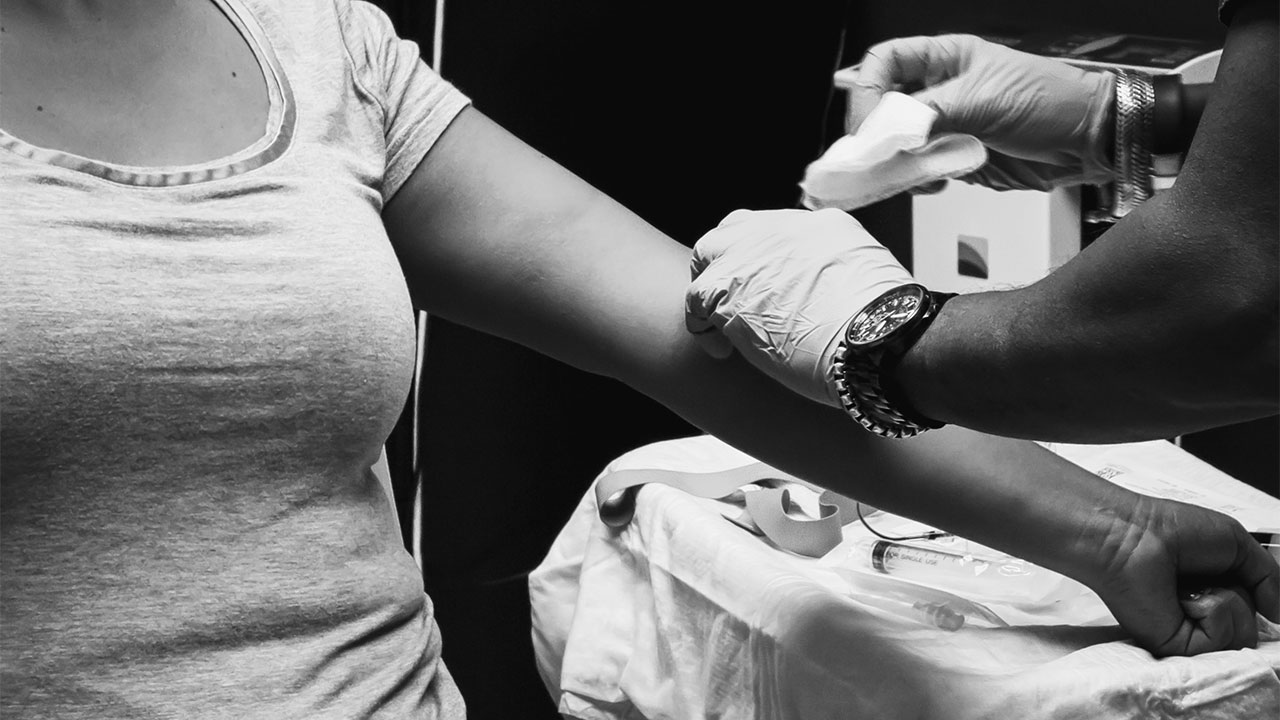
As the morbidity and mortality mounts, this country can demonstrate that it understands how structural racism has contributed to the disproportionate burden of disease borne by the Black and Indigenous People of Color community at large.
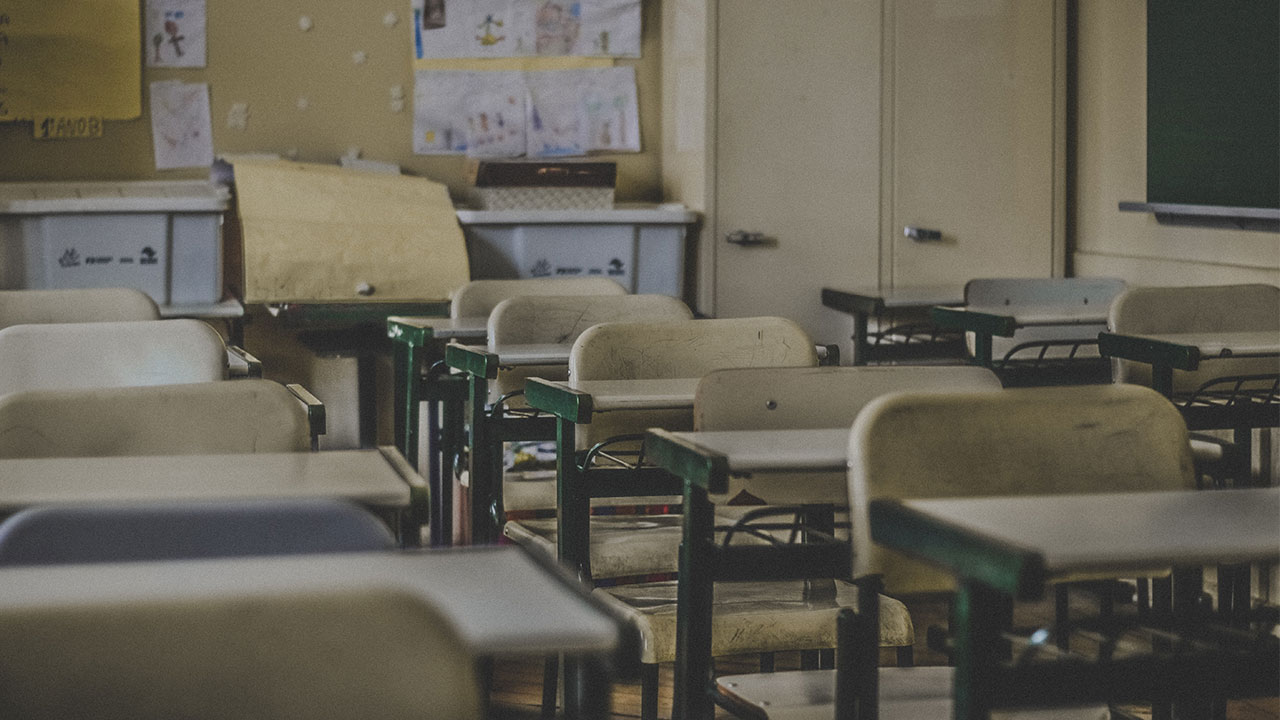
The education of underprivileged children in under-resourced schools suffered greatly before COVID-19. For those students, particularly for those who have not had any academic learning since March, going back to school in the fall will be a monumental challenge.

The recent protests and renewed attention to racial justice have cast an important spotlight on these issues of racial equity. But it is past time for organizations to take these issues more seriously.

Black women, as a group, are not known for their conservatism. They are, in fact, more likely to vote Democratic and along progressive lines than Black men. So, Uprising and Blackout are worth thinking about in this context. Why are some Black women openly, even aggressively as in the cases of Owens and Diamond and Silk, identifying as conservative?
Seven Washington University in St. Louis scholars ruminate on race, COVID-19, police brutality, and America as the house of pain.

Because it is about our nation as much as it is about one city, and because Johnson frames it as “the two-hundred-year history of removal, racism, and resistance that flowed through the two minutes of confrontation on August 9, 2014”—the killing of Michael Brown, in Ferguson, which touched off Black Lives Matter—the book is for all of us and for now.