‘Go Bags’ in Relationships
April 13, 2026
Recently, my friend Larry allowed himself to be drawn into the relationship game that begins: “What would you do if something happened to me?” Larry is older than his wife, and they have been together fifteen years, so the easy way out would have been for him to say lightly that he would put on a brave face and do his best without her for his remaining time on earth, etc. The conversation could bloom, or not, from there.
He prefers brutal truth. “I’d probably sell my business and move to France,” he told his wife. “I might even be better off financially.”
“Would you be with someone else?” she asked.
“Well, it’s France,” he said.
“Rookie mistake,” I told him when he related the incident. He demanded to know why, though I could tell by his tone he had already gotten the business.
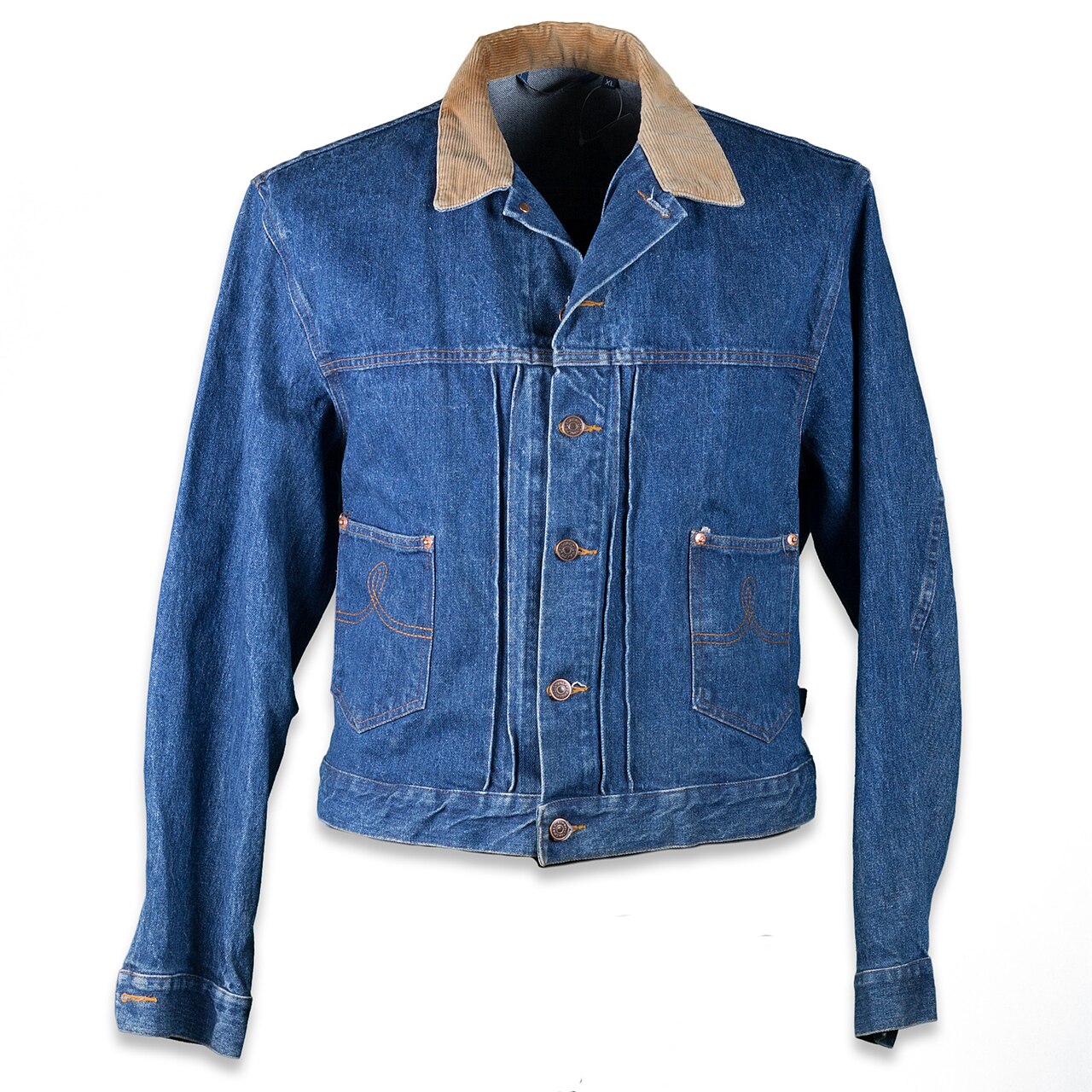
Witness the parable of the jacket, I told him: Many years ago, when I was fresh out of the service, my girlfriend loved to wear my army jacket. It was one of those real OG jackets, an olive-drab one hard to find now at any price, and had cool patches sewn on it. I was dropping her off at her parents’ house after a date when she asked if she could just have the jacket for keeps. I said fine, but, you know, if anything happens and we break up, I want it back. She jumped out of my little LUV truck, roughly shrugged the jacket off, and threw it at my head.
“No no no,” I said, unhappy with my choices. “Here, take it, it’s yours.” After many reassurances of my seriousness and faith in us, she agreed to take it back. A few years later, when we divorced, the jacket disappeared forever along with everything else in her closet.
Larry laughed and told me that a character in a sitcom he likes keeps $40,000 in one of her purses. She refers to it as her “disappear bag.” Her husband is shocked to learn of it.
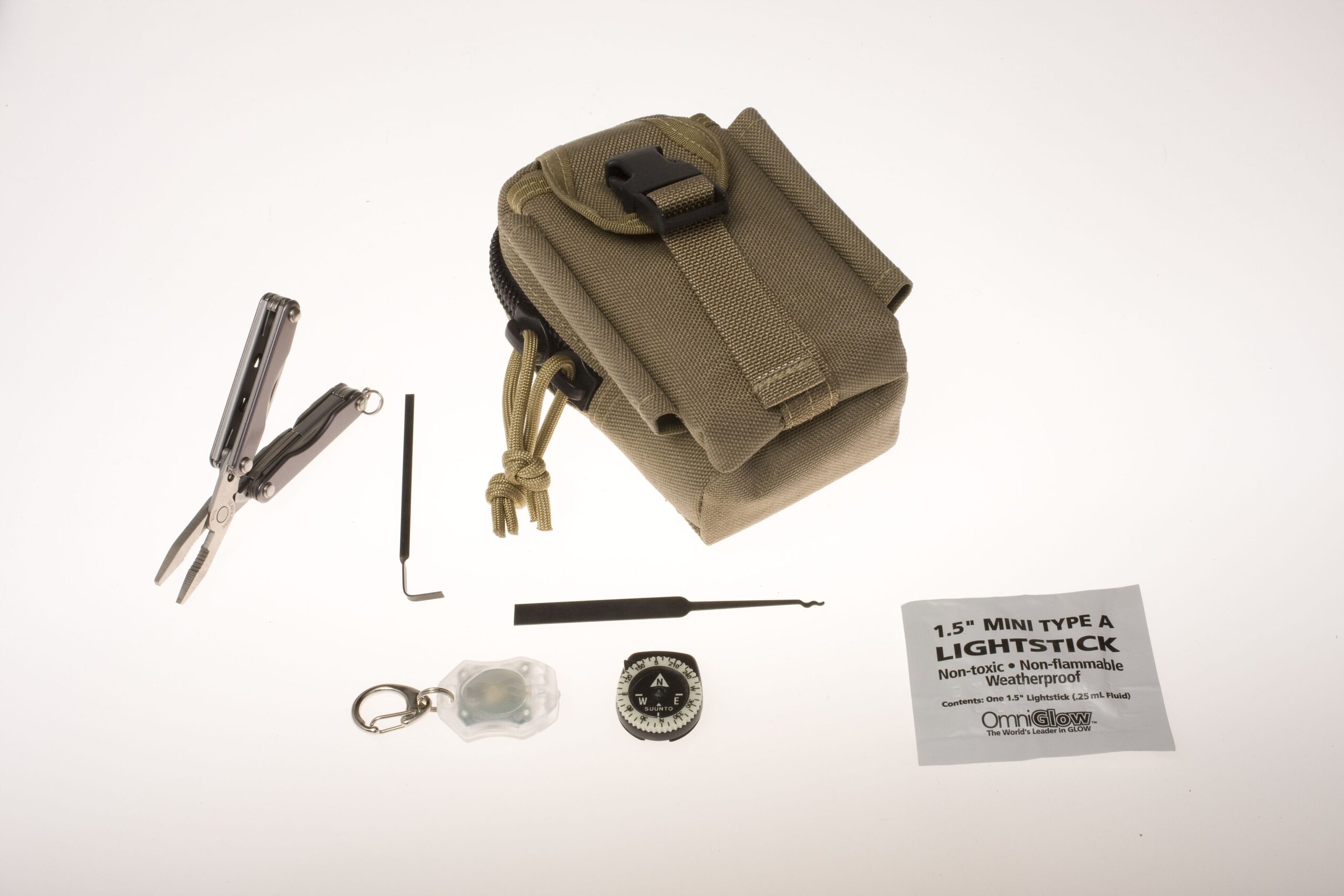
The impulse is to think that someone who makes plans for something else also helps bring it about. “Go bags,” or “bug-out bags,” for example, are another artifact from the “fall of society” fantasy, which seems to have been baked in at the American start but took modern shape with prepper-doomers. That fantasy does not seem to be doing us much good as a body politic, but the idea has taken root everywhere, including at Department of State.
But Larry insists that taking care of one’s individual future is a kind of self-care, which should be above love in a relationship. He and his wife still keep separate bank accounts toward that end.
In The School of Life, Alain de Botton has made an industry of dispensing advice on the self, vis-à-vis relationships. In dozens of videos with titles such as “Why We Should Expect Less of Love,” “What If We Never Find True Love,” and “How Romanticism Ruined Love,” de Botton and his team hope to help us eliminate fantasies and face reality, including the hard work of developing emotional maturity.
“The world is sick for a surprisingly modest-sounding reason,” he says in a video: “We don’t understand love…. We talk a lot of love, of course, but generally in terms of a dizzying rapture lasting a few months, focused on someone’s beauty, intelligence, and strength.”
In another, he says, “There are plenty of options that press themselves forward for consideration as the most romantic phrase we could ever utter to someone: ‘I will never leave you.’ ‘I feel utterly seen by you.’ ‘You are incomparably beautiful.’
“But we may need to go down another, more surprising, sterner route to really honor the inquiry. If we define romantic in an effective sense, meaning helpful to the survival and enhancement of love, then we may need a very different approach. We may need a sentence like, ‘If you ever stop being nice to me, I will leave you in short order.’ It may sound brutal on first reading—bitter, paranoid, a bit jumpy—far from what we imagine ‘romantic’ to mean.
“[But] this is precisely what we may need to say in a kindly but confident voice if the qualities on display in the sweet opening moments of love—tenderness, kindness, consideration, thoughtfulness, politeness—are not to give way in time to scratchiness, irritability, neglect and infidelity. It’s a bitter truth that other people treat us more or less exactly in line with the way we imply that we can bear to be treated.”