War, and What It is Good For
The true profit in War is MacMillan’s subdued discussion of how war has disrupted ideas such as history, peace, and reason. The subtitle, however, suggests it will be something different.
The story reminds readers of the rich and important history of Black activism that has shaped Black St. Louis’s fight for equal and just treatment in healthcare. Yet, more contextualization of the capacious realities of anti-Black racism, a deeper consideration of state and federal policies, a foray into newspapers and archives outside of St. Louis and Missouri, and conversations with other Black medical historians could have made the book something more than a journalistic paean to the doctors and nurses that roamed Homer G. Phillips Hospital.
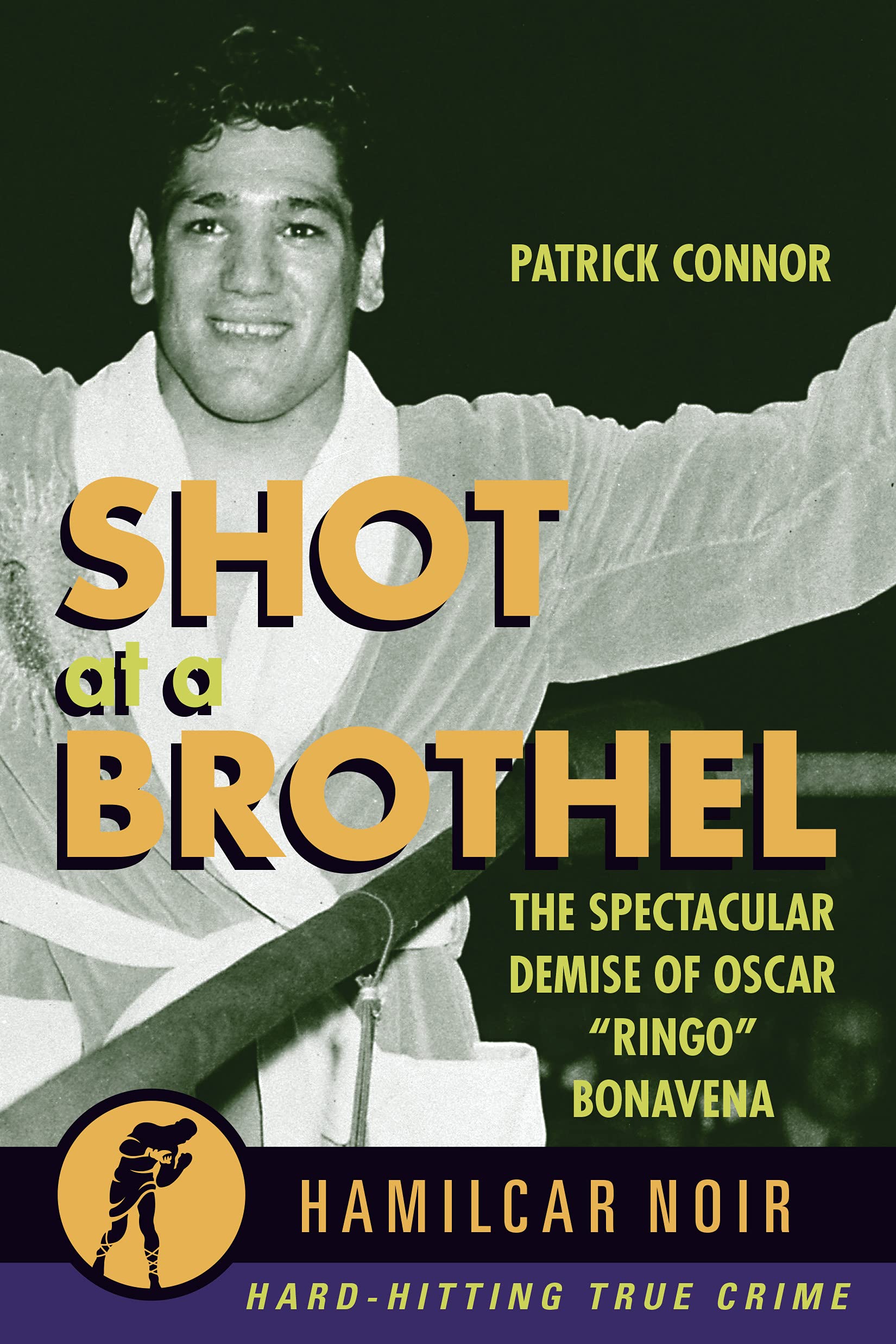
The success of O’Connor’s book comes not just from the gripping tales of St. Louis politics, with its palpable racial overtones, but from the personal recollections of the hospital’s staff and community leaders, who viewed the hospital with awe and reverence.
James Traub’s short biography of Judah Benjamin is a fine, highly accessible introduction not only to Benjamin but to the subject of southern Jews, their relationship to the Confederacy, and their experience as slaveholders.
John F. Kennedy was a twentieth-century man and a twentieth-century politician but he seemed like fresh air and change because of his youth and verve. Logevall’s biography adds to the literature that students and history buffs can use to judge for themselves.
In Savage Messiah, Laura Grace Ford stands in the best of the “psychogeographer” lineage, at turns practical and imaginative, concrete and incendiary.
Throughout Read Until You Understand Griffin entwines her personal account of life as a Black woman in America—tragic encounters with police, teachers who either misrepresent her or open her mind to new thoughts—with those books that underscore the way in which her life functions as a synecdoche for her Black, Philadelphian neighbors.
Maura Spiegel’s approach simultaneously favors the intimate and the sensational, painting a portrait of America’s most unassuming cinematic auteur that emphasizes both his workaday normalcy and the rarified place he occupies in the nation’s artistic and cultural landscape. It is an unabashedly hagiographic work.
For Black Americans, the questions might be asked, what does Christmas mean to us? And how can we make Christmas something usable for us? If, as Frederick Douglass argues, Christmas was tainted by the power politics of slavery, as the stories in Collier-Thomas’s collection make clear, it was equally tainted by Jim Crow and segregation.
Written by a quondam amateur boxer and celebrated ring scribe, Damage is a fluid combination of medical history, scientific facts, and personal narratives. Half of the gracefully written text is focused on the connection or, much more commonly, the lack thereof between the medical and boxing communities.