
Rhyme and No Reason
Rapper T.I. tunes listeners’ ears backward in time, to the end of the Civil Rights Movement and the death of Martin Luther King Jr., but also forward to our current time in which he believes white supremacy "is covertly done."
Rapper T.I. tunes listeners’ ears backward in time, to the end of the Civil Rights Movement and the death of Martin Luther King Jr., but also forward to our current time in which he believes white supremacy "is covertly done."

To anyone who asked, Katherine Dunham repeated a consistent message: training in the performing arts prepared people to face life’s problems. Too often, she felt, individuals wandered through life unaware of how the world worked and how they fit into it.
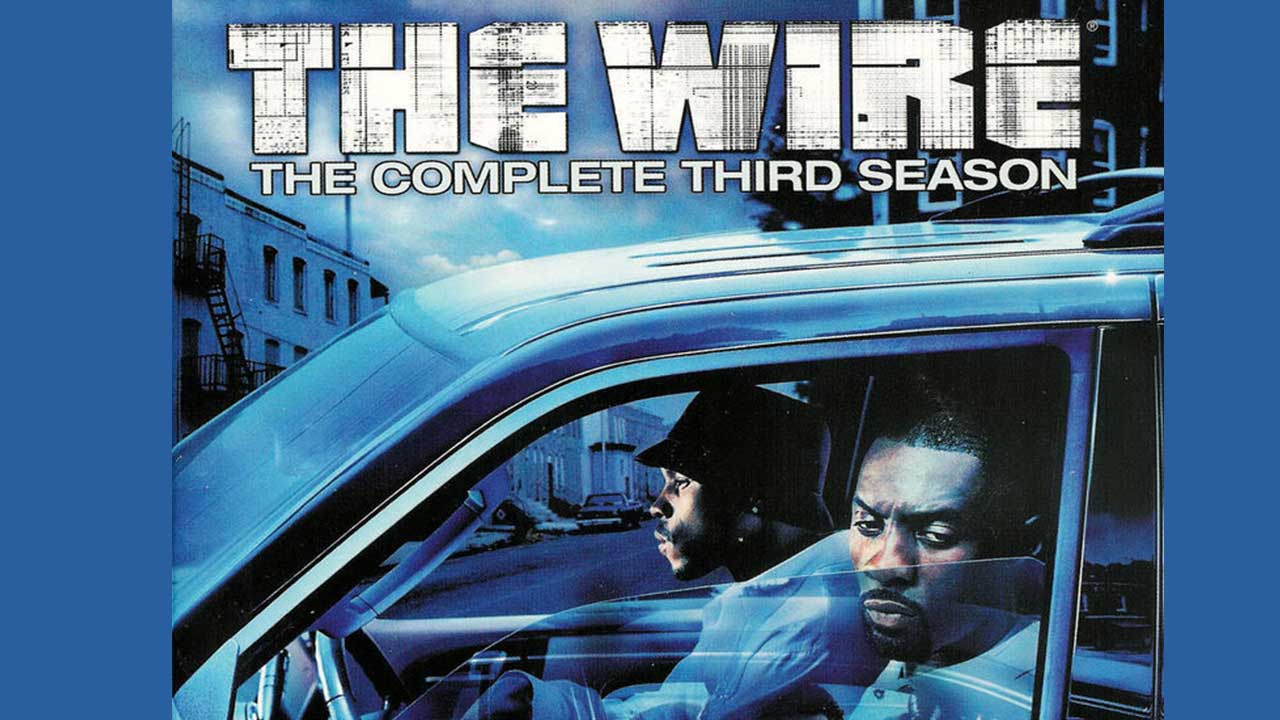
The Wire would not necessarily be described as a series about race. But that was the beauty of it.

Neighborhoods United for Change frames St. Louis not just as a divided city, but also as one that yokes dispossession in North City to growth in South St. Louis, revealing how both North and South share similar goals.

At the end of The Killing of a Chinese Bookie—all night scenes, of course—Cosmo, John Cassavetes' grand and expansive character of a Hollywood club owner, is hiding his wound and still trying to run the show, but the sense is that he will bleed out before the dawn. They "don’t do day here."

By the time my family moved into Pruitt-Igoe about 10 years after its opening, I had no idea the “solution” had already morphed into a nightmare.

Trump’s slash-and-burn march to the White House, one of the most stunning accomplishments in the annals of American politics no matter how loathsome the man may be to so many, ended the dynastic claims of two powerful political families: The Republican Bushes and the Democrat Clintons.
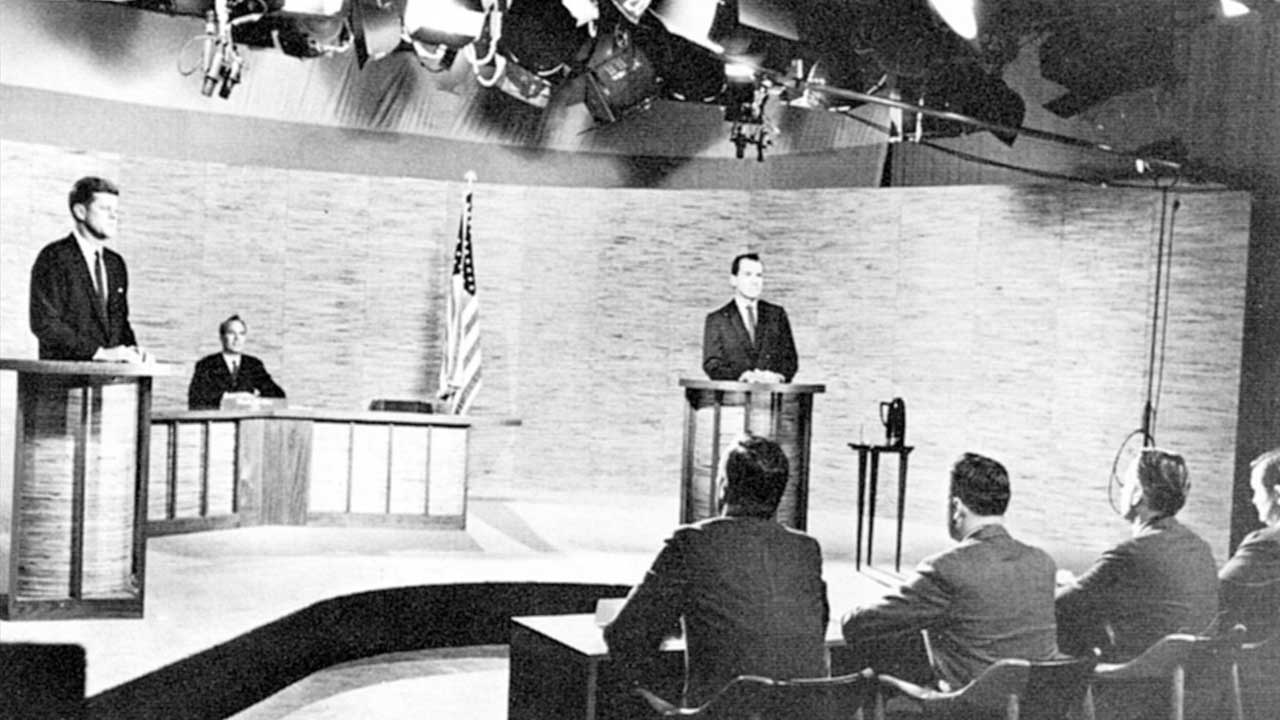
“Out of the quarrel with others we make rhetoric,” said Irish poet W.B. Yeats, “out of the quarrel with ourselves we make poetry.” And it is out of the quarrel of presidential candidates that U.S. voters intuit their way closer toward Election Day.

While a blanket license may cover musicians’ compensation and thus make the playing of their music perfectly legal, musicians may still protest the use of their voice and allure for purposes they find inauthentic to their image, brand, and identity. When it comes to music in politics, total harmony ranges beyond money.

Four years ago, I was in a local antique shop called Salvage Alley. A black window shade with gold lettering was hanging from the rafters. The shade said, “Negro League Baseball Tickets Sold Here.”