
Essays
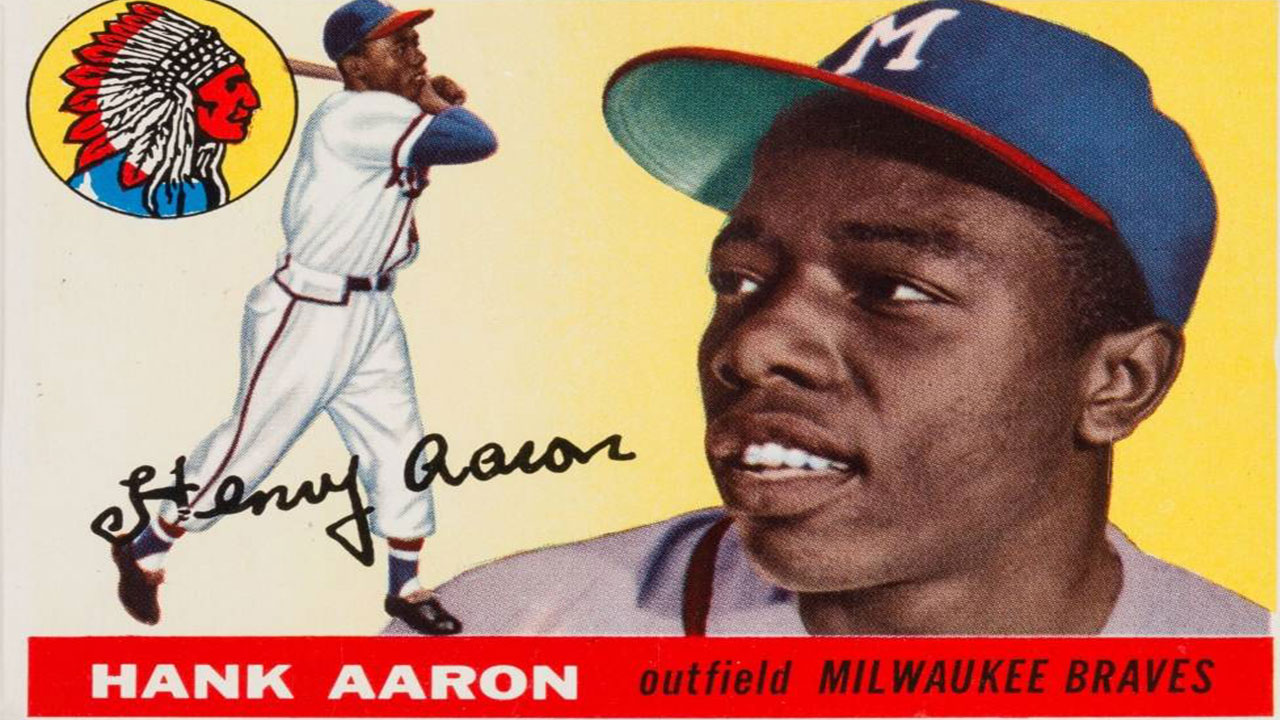
The Alabama Boy Makes Good
Hank Aaron was an incredible player. He lived a long life. And he got his due, his accolades, his recognition, while he was alive. That is good. So many Black players from the Negro Leagues never did. Those Black barbers from my boyhood knew more than I did.
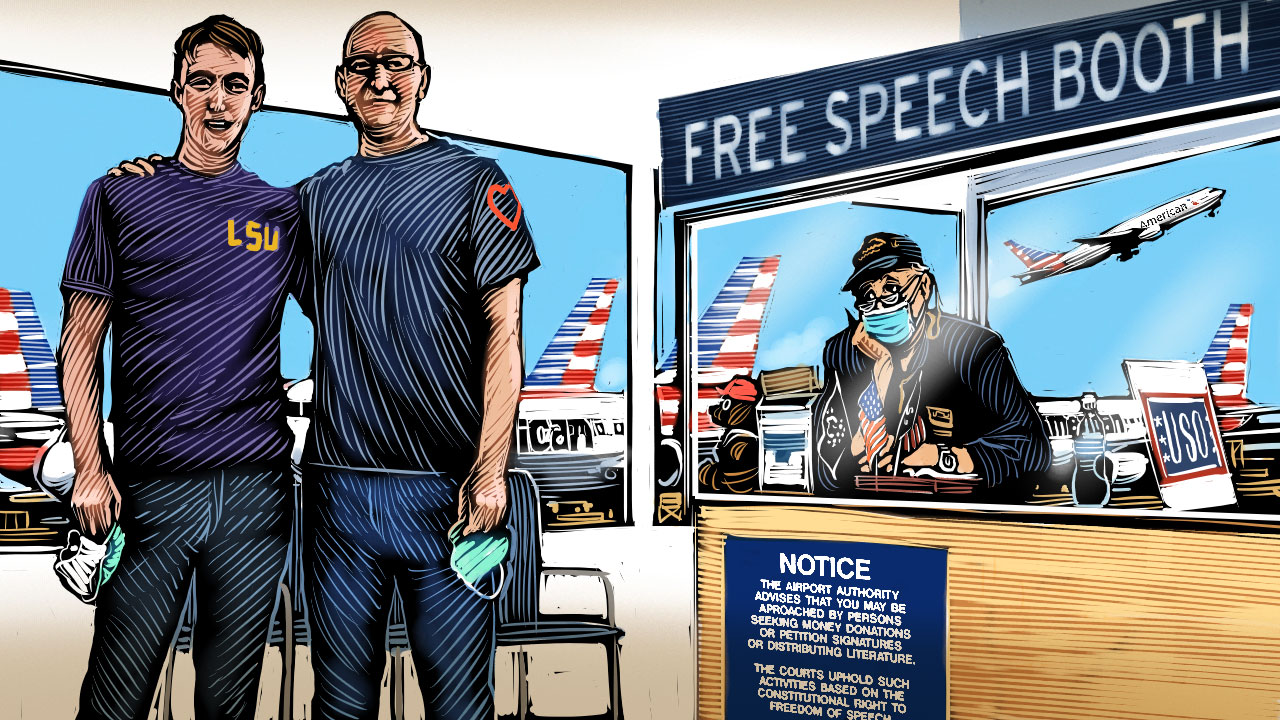
An Echo Through a Train of Rooms: Father and Son at the End of an Era
My sons are everything to me, and I appreciate any remaining chances to share in their understandings. Like many things in American life now, this also is a tug between the conservative (preserving their safety, and our money, time, and effort) and the liberal (being open to new views and experiences).
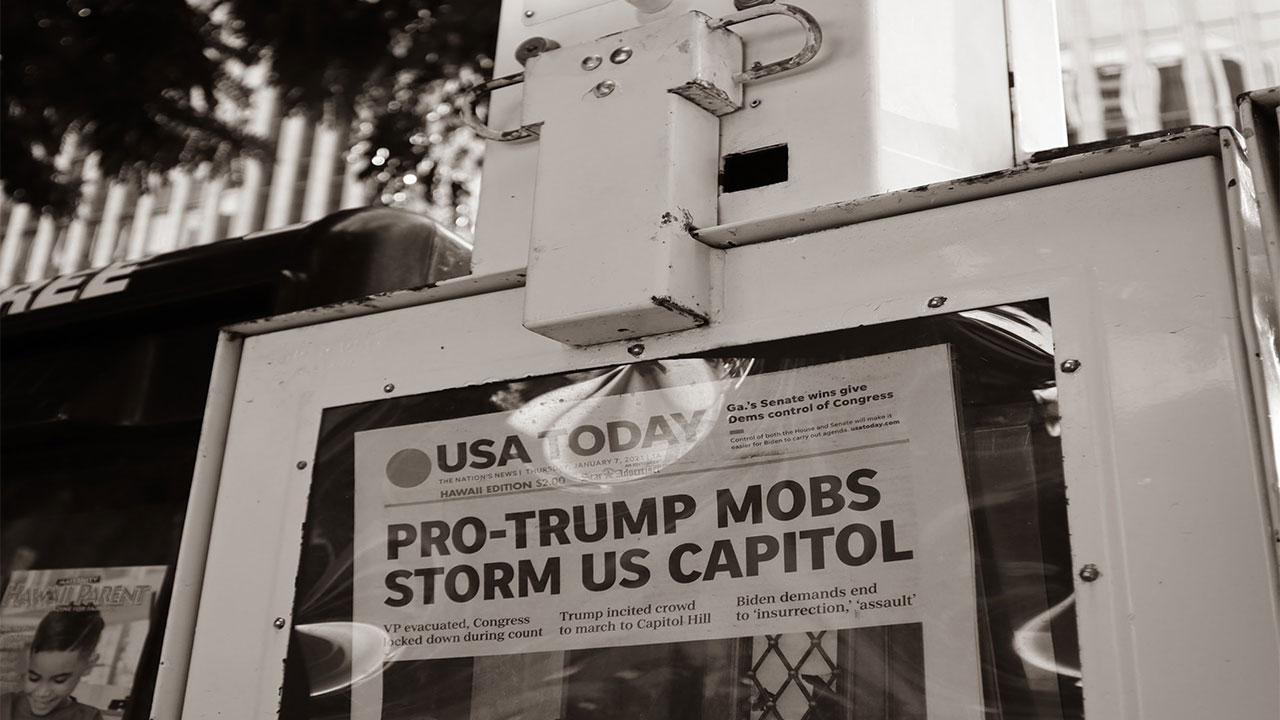
On Loving America
I suppose I was drawn to Childish Gambino’s “This Is America” in the days following January 6 because of the way it unveils violence and abuse masquerading as love. Politicians and citizens holding vastly different ideologies fought to control what loving America is, what that love looks like, and who is capable of expressing that love. In the midst of varying ideas and ideals about what America is, love was repeatedly invoked.
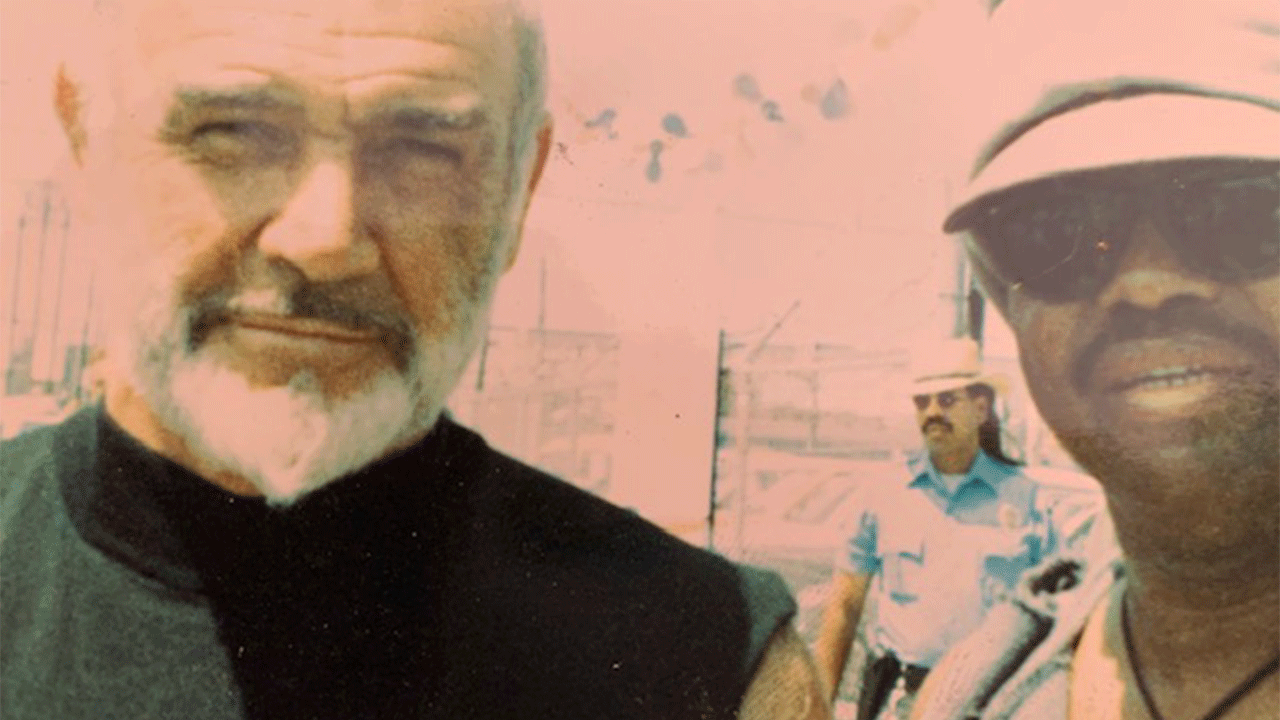
On the Set with Scotland the Brave
When the door of the Lincoln Town Car shut, I looked out of the corner of my eye and saw Sean coming towards me. I did not get up. He came and sit down right beside me, But I was already thinking and remembering and recalling how Daddy and Uncle Lofton would settle themselves before they worked on the rail tracks.
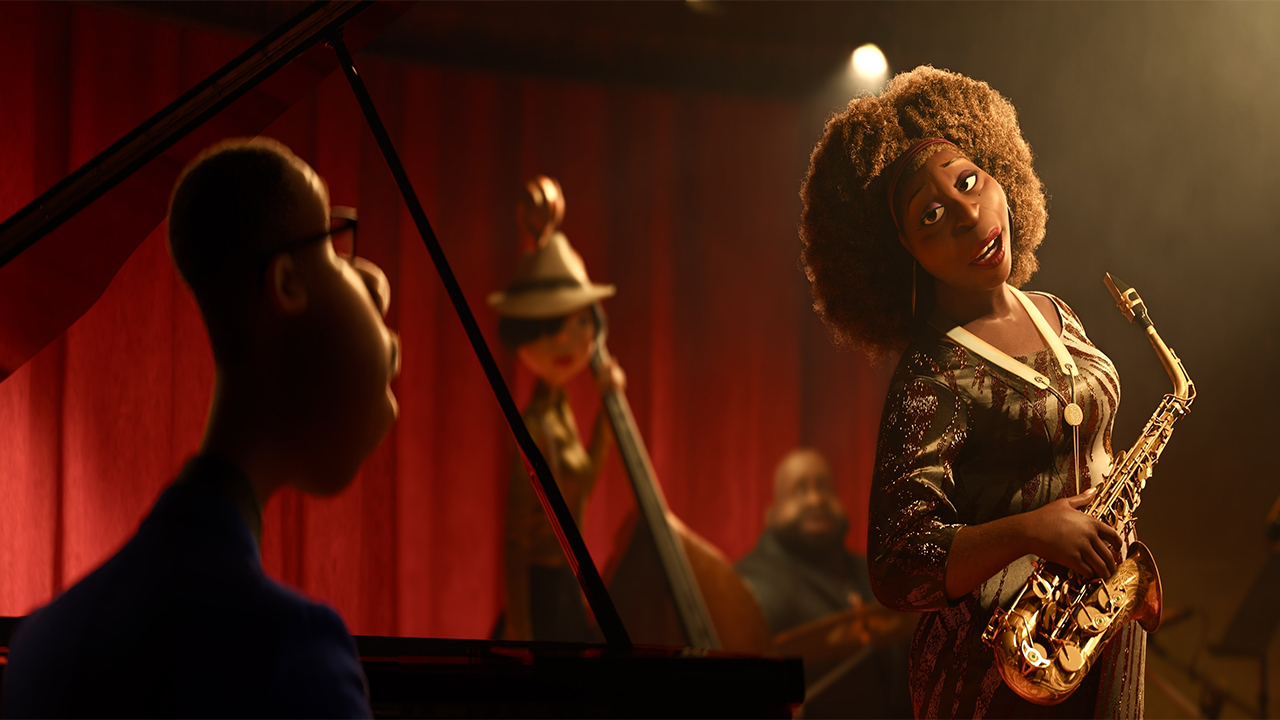
You and the Night and the Music
The name Soul is meant in a couple of signifyin(g) ways: as a genre category, sure (though imprecise), but also as a life force and central concern. What are souls meant to do? Who are we meant to be?
The Common Reader’s “Lucky 13” From a Troubled, Turbulent 2020
Thirteen of the journal's best essays, "Dispatch" blog posts, and reviews as chosen by staff, internet analytic "pageviews," and defiant relevance.

Merry Christmas … or the Wish for Something Like It
Season's readings, and a 2020 roundup, for a year that could never end too soon.

Think of One: A Holiday Memoir
It was Christmas and Bobby was a good boy and we worked hard for our money. All of that must mean something. What is the point of a God and His Son if this hardship does not mean anything, you know, the hardship of this life, the grinding of it cannot be pointless, can it?
How Food Seduced and Betrayed Us
When did food move from sustenance, holiday ritual, and occasional treats to a consuming avocation with its own vocabulary, gear, techniques, and media? There are more devotees than most religions can attract, and their rituals are charged with significance.