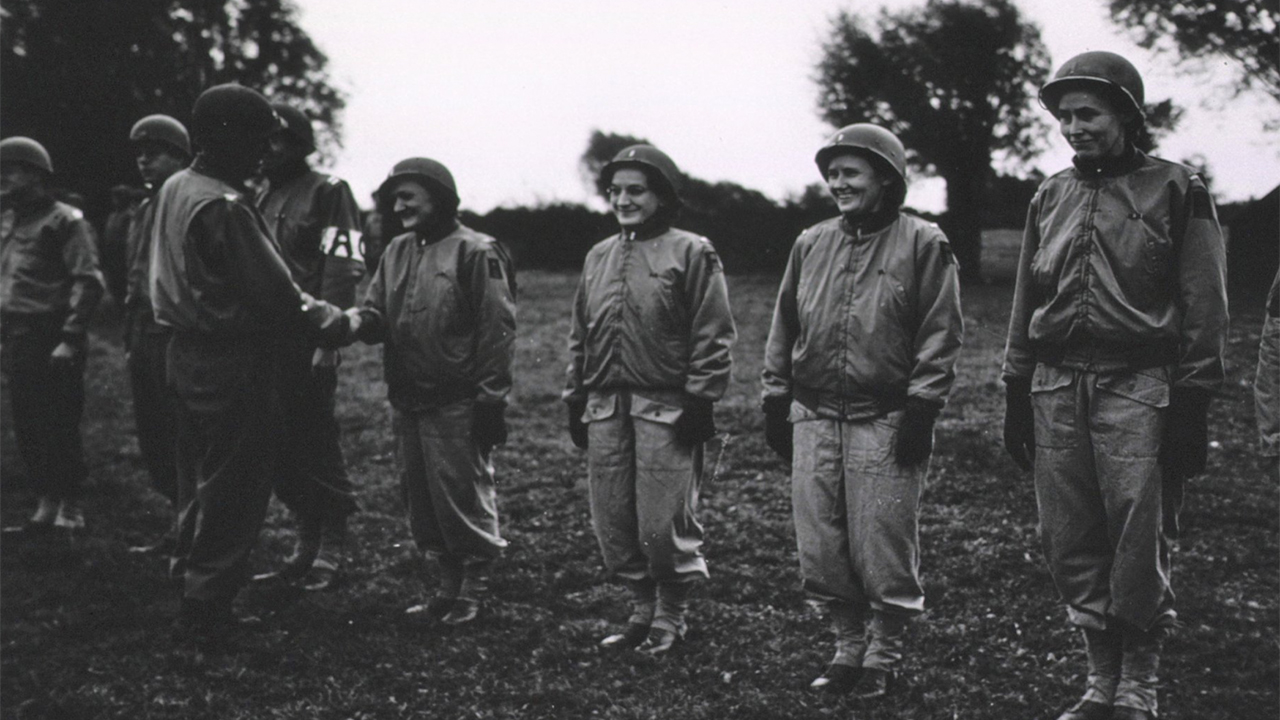
Finding a Decorated Army Nurse
WWII’s most famous correspondent, a combat nurse, and the need to remember our sacrifice.
WWII’s most famous correspondent, a combat nurse, and the need to remember our sacrifice.
Instead of trying to predict how soon the world will end or reaching for a static, reassuringly rigid worldview, we need to take in new information every day, brush our teeth with it, readjust our internal model of the world as we go.
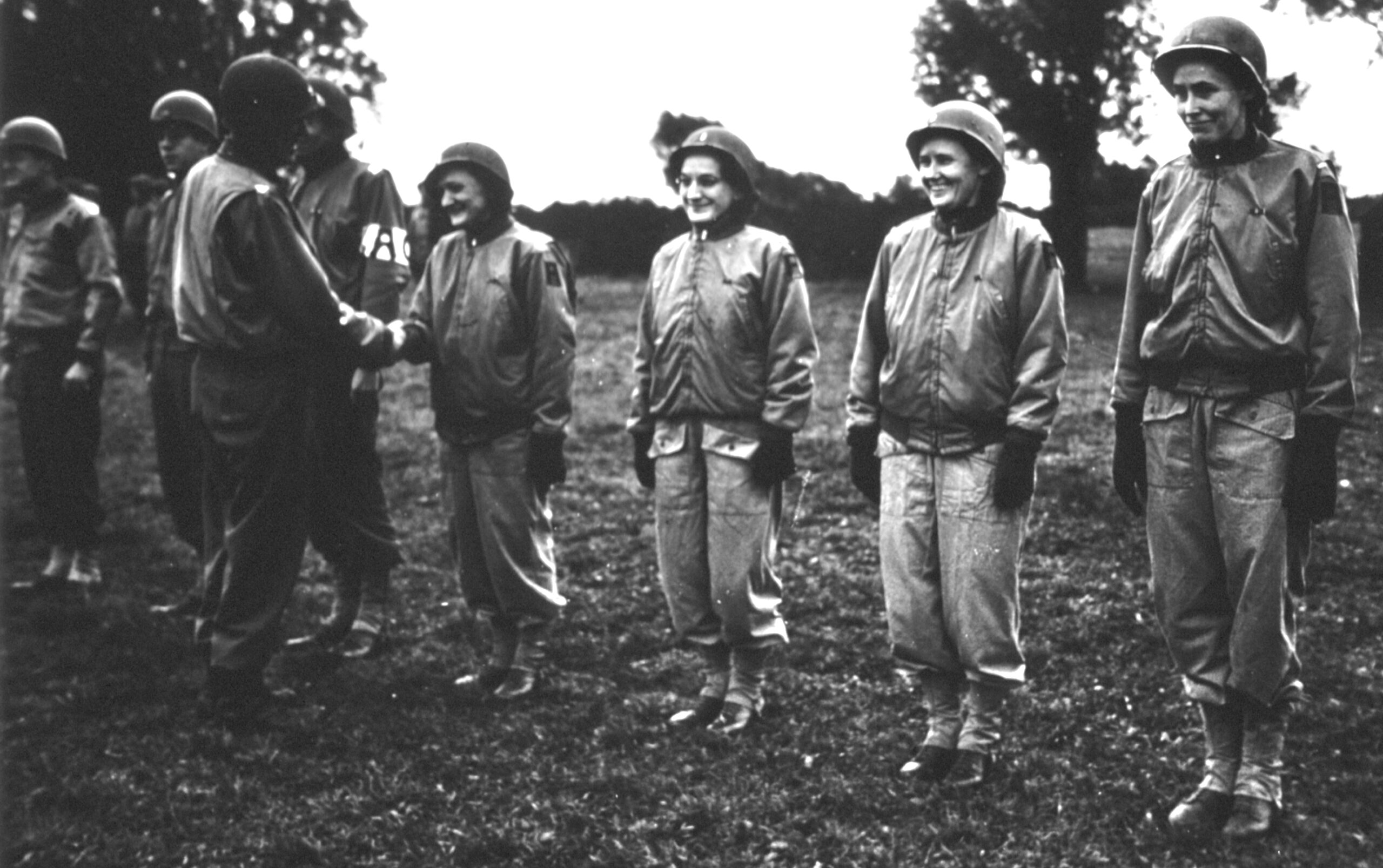
She had likely been in more countries and combat zones than WWII correspondent Ernie Pyle and had helped save many lives, maybe even someone in your family. But few remember her from life, the records are mostly lost, and I know of no markers.

Extreme and eccentric though they be, transhumanists represent a movement to take control of human evolution. Artificial intelligence will, they predict, accelerate itself into a superintelligence far more powerful than anything our human brains are capable of. The consequences? Nothing less than immortality, some say. Certainly an end to much of our disease and suffering. Maybe an end to us.

Comic Art and African Americans
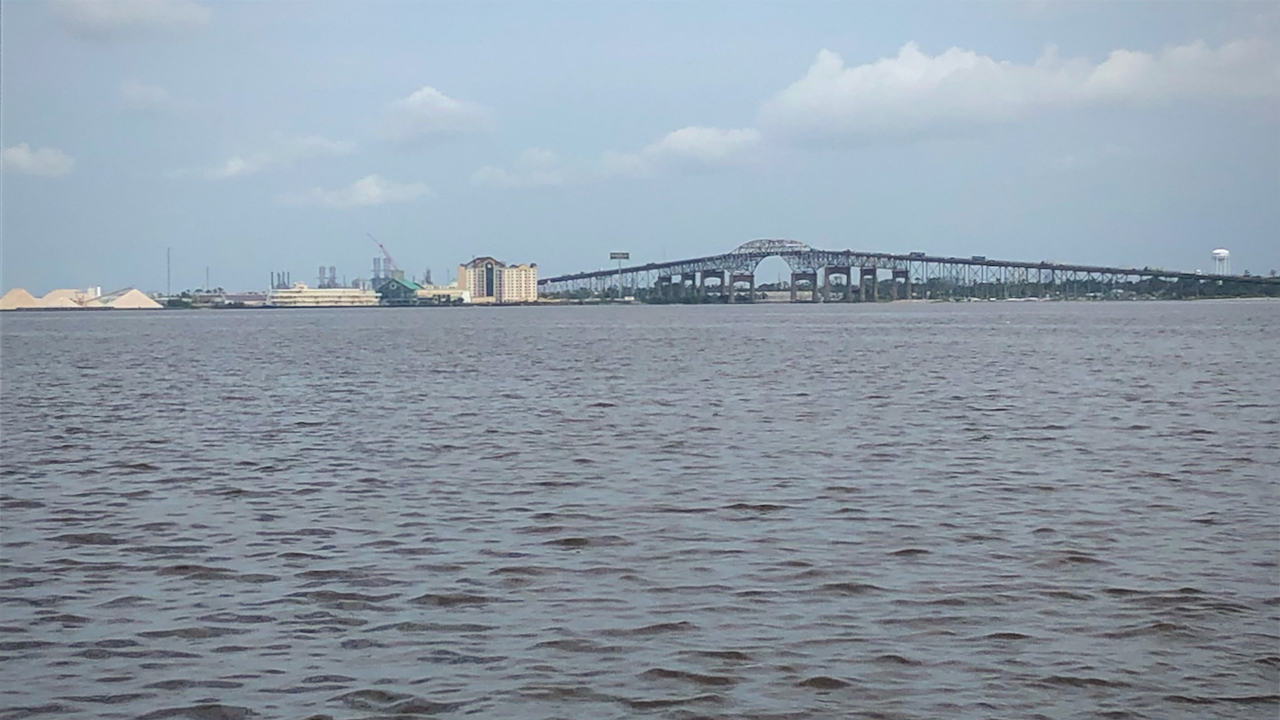
Lake Charles, Louisiana, is a particularly sensitive canary in the coal mine of global warming. Not only is southwest Louisiana low-lying in the age of sea-rise; the land is also subsiding faster than just about anywhere on earth, and water courses through everything.
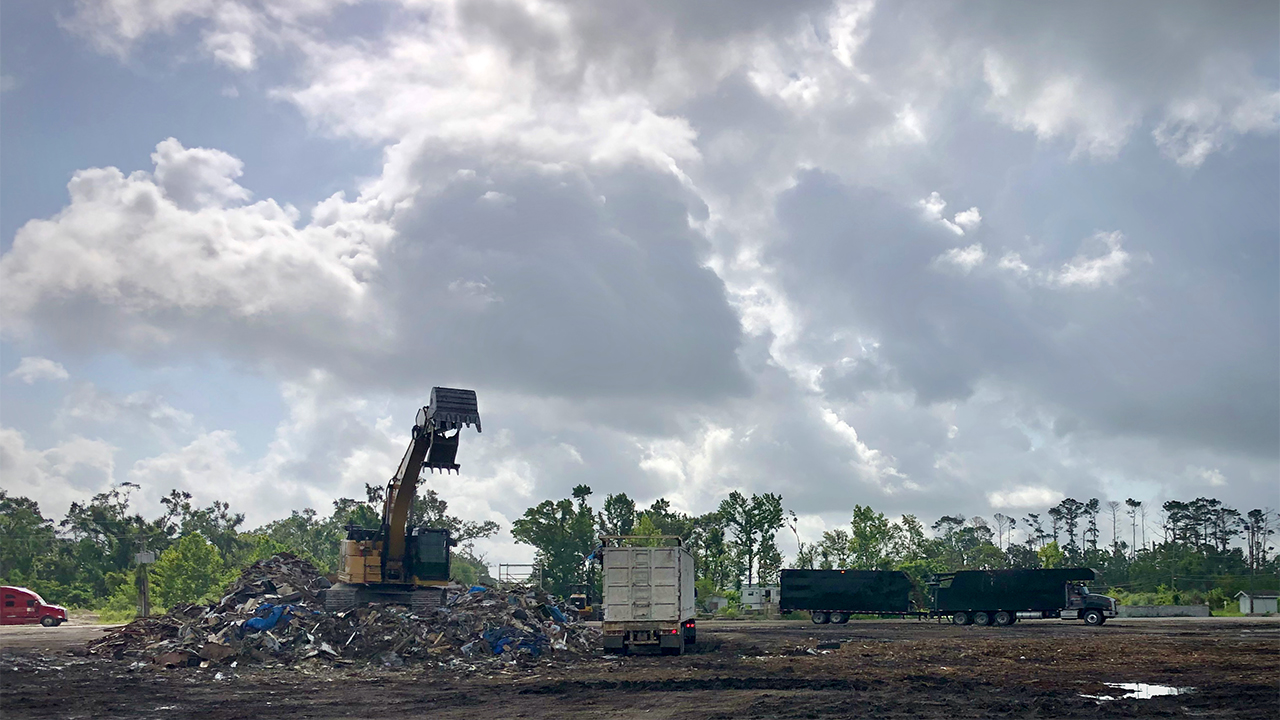
In Louisiana’s future, the EPA says, there will be “retreating shores,” stronger and more frequent hurricanes, more flooding, more heat than ever, and reduced crop and fishery yields. And as disasters linked to climate change increase in scale and number, we can all expect to pay for them, with interrupted commerce and supply lines, higher insurance rates, and more federal aid for recoveries like this one.

We talk about paying attention, as though it is a debt—and these days, attention is definitely currency. We still use money and buy material stuff, but these transactions all begin by gaining our limited attention.
In Louisiana’s future, the EPA says, there will be “retreating shores,” stronger and more frequent hurricanes, more flooding, more heat than ever, and reduced crop and fishery yields. And as disasters linked to climate change increase in scale and number, we can all expect to pay for them, with interrupted commerce and supply lines, higher insurance rates, and more federal aid for recoveries like this one.
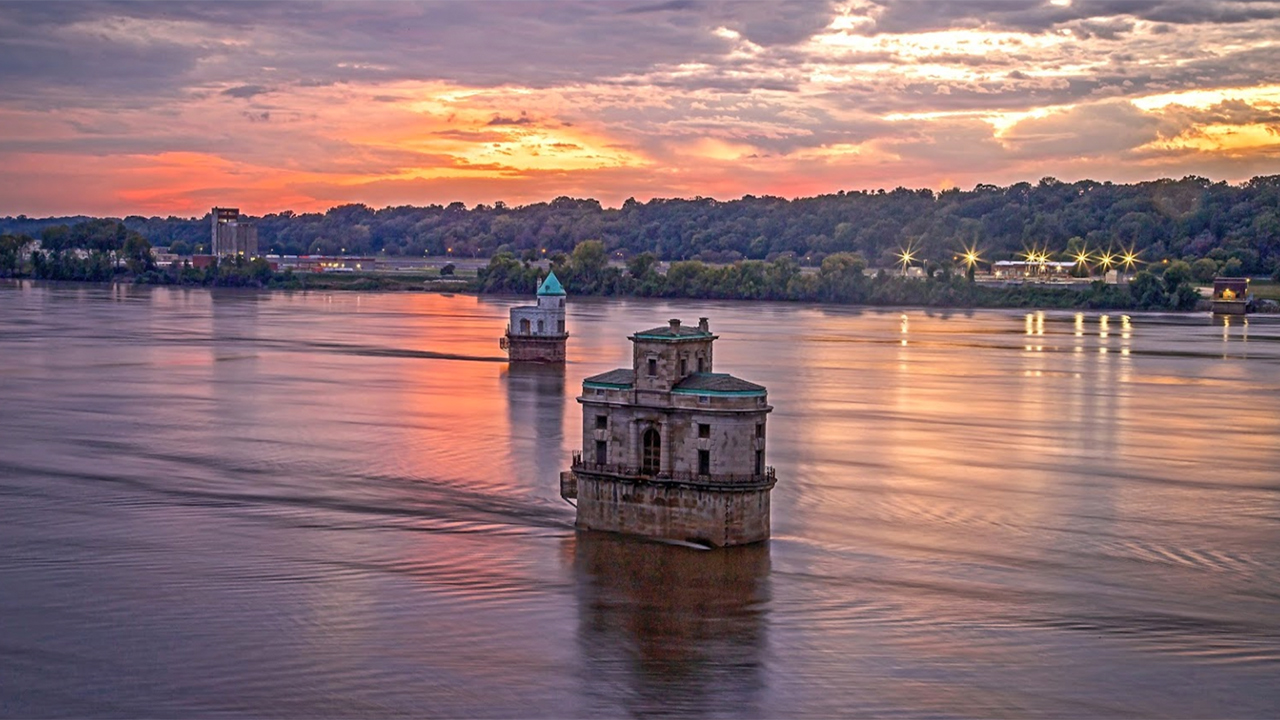
Wealth and technology have allowed development in regions of the country without adequate water, but when wealth and technology fail to sustain, we will be forced to pay greater attention.