Tiptoeing Around Our Stories
September 19, 2025
In a 1994 episode of the sitcom Seinfeld, Elaine (Julia Louis-Dreyfus) starts dating a guy named Carl (David James Elliott), who works as a mover. Elaine enthuses about him to Jerry, claiming, “I’m in looovve!”
“And what is his stand on abortion?” Seinfeld says.
Elaine is putting on lipstick and distractedly smears it across her cheek.
“Well, I’m sure he’s pro-choice,” she says.
“How do you know?”
“Because, he…well…he’s just so good-looking,” she says.
On their next date, Elaine sets a trap and tells Carl she has been thinking of a friend who “got impregnated by her troglodytic half-brother and decided to have an abortion.” She looks over apprehensively.
“You know,” Carl says, “someday we’re gonna get enough people on the Supreme Court to change that law.”
Elaine weeps.
Carl’s hope came to pass in 2022, though some scholars point back to his era as the start of contemporary political division in America, due to “asymmetric politics.” The 1994 midterms put Republican Newt Gingrich in the House Speaker’s chair, and in four years he shut down the government twice and got Clinton impeached. He lost the speakership in 1998, “But by then Gingrich had inaugurated the principle that, for Republican politicians, partisan warfare should take precedence over good government,” as one study says.
The sitcom accurately reflected its time, and the difficulty of interpersonal relationships due to politics has only grown. A 2017 study showed, in what was dubbed “the Trump effect,” that 11 percent of Americans ended relationships over political differences. Twenty-two percent of those surveyed knew someone “whose marriage or relationship has been negatively impacted specifically due to President Trump’s [first] election.” For Millennials that rose to 35 percent. Anecdotal evidence suggests the divide has grown.
In the best of times it is impossible to know other people fully. Even if we wish to act in good faith, it is hard to express to others who we think we are—and we may not know who we are. It is, to a great degree, a writing problem: What to include in our stories about ourselves? How revealing should we be and at what pace? Where to stop and start the narrative? What kind of language should we use?
My friend Larry, who is agnostic and progressive in life and catholic in his musical tastes, told me he loves many melodies by Christian rock bands. He is wary of telling other friends this, because he says they have notions about Christian rock and its listeners. Sometimes he never reveals it.
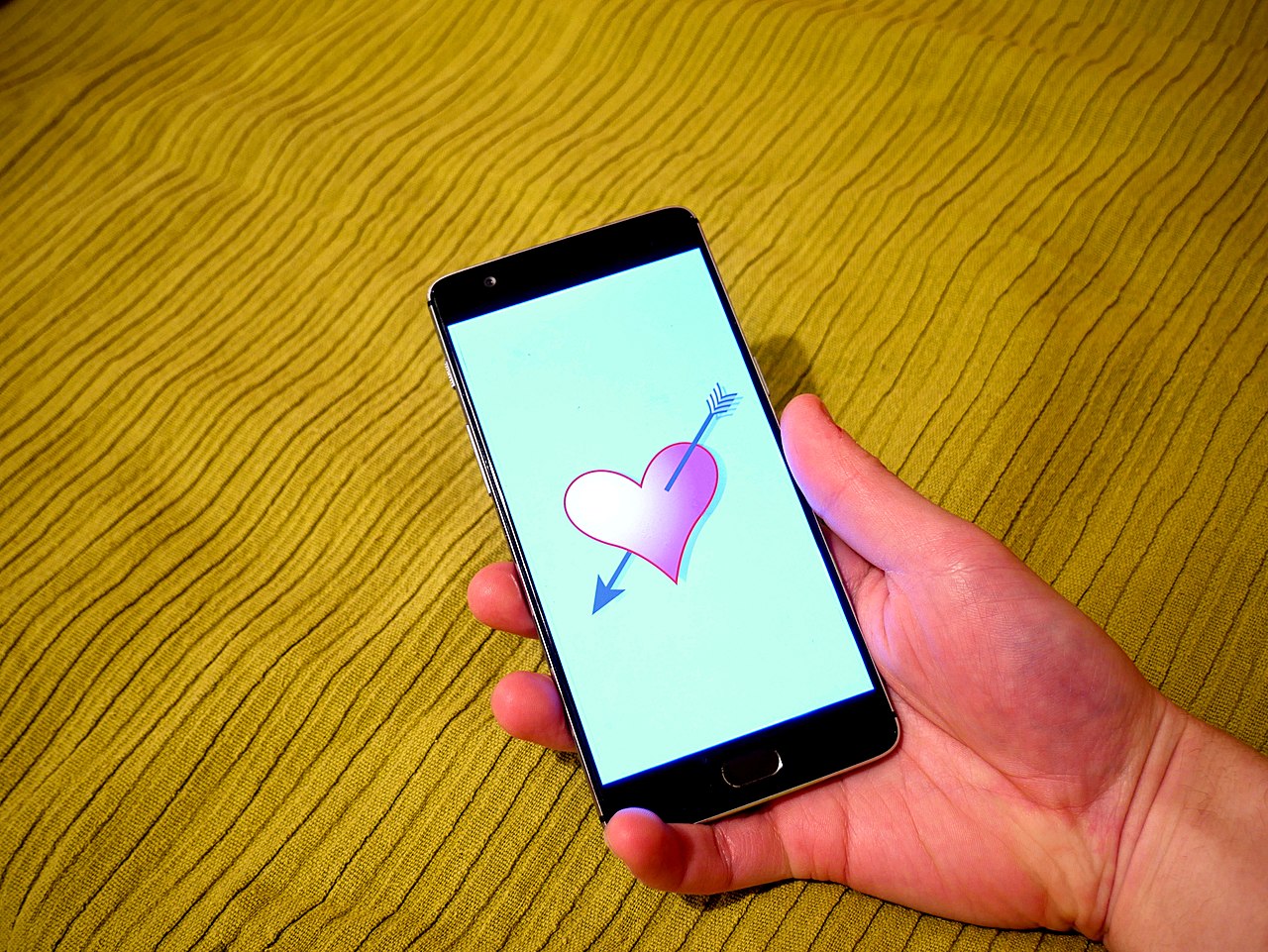
The problem aligns with the experience of people using dating apps, tech’s solution for intimacy that starts with very little information—sometimes little more than self-curated photos. (In the old days, Irene, in the next cubicle, would set you up with her distant cousin and vouch for her personally by saying she was really great. One day social scientists will have enough data to say which method brought more relationship happiness, or at least longevity.)
One of my friends says the apps offer you tags to help you describe yourself, indicating how much you drink or smoke, whether you exercise, your education level, your astrological sign, marital status, whether you have or want kids, etc. The trick, she says, is to decode what others have toggled. Red flags for her include a dude in wraparound sunglasses who chooses “White” as a descriptor, ditto “Christian.” (She is a Christian by upbringing.) What could “Moderate,” let alone “Apolitical,” mean in our time? What is “Spiritual” when combined with a passion for Midwestern wineries and country music? What does it signify when dudes hold up their fishes for admiration?
I see how a lot of time, money, and emotional energy could be spent, out of mild interest and politesse, before somebody leaned forward in their booth at the Applebee’s and asked: “Ukraine? What’s your take? How do you think things are going here? You say you like to read, what do you read? What are your impressions of coffee, kimchi, and green olives stuffed with raw garlic cloves? Did you bring your immunization record, bank statement, sexual health report, blurbs by friends and family on your treatment of previous partners?”
*Squints*
“What mountains of experience do you carry, and which ones broke you when they fell?”
I asked another friend, who used the apps for years after her divorce, how it went for her, and what it was like trying to get to know people.
“I tried and tried and tried and tried and tried and tried and tried,” she said. She was still single when I asked.