
Too Much Life
In Mary Shelley’s Frankenstein, and in the Romantic age more generally, monstrosity came to be conceived as an excess of vitality. Exactly what life was, however, was a matter of intense debate.
In Mary Shelley’s Frankenstein, and in the Romantic age more generally, monstrosity came to be conceived as an excess of vitality. Exactly what life was, however, was a matter of intense debate.
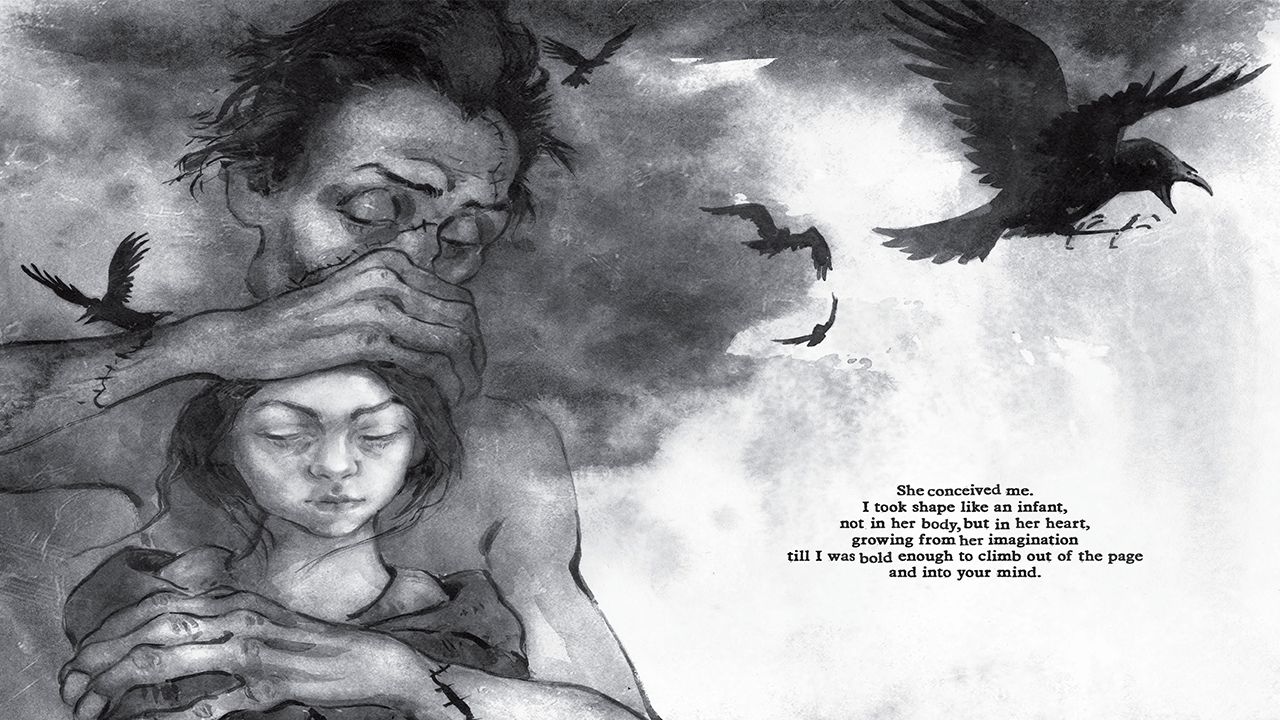
Like her mother, Mary Shelley lived the life of a woman intellectual. Engaging public issues through her writing she offered a multifaceted view of the existing world through the speculative lens of other social and political possibilities. As a divine warning and portent of what to come, she was, in the etymological sense, a monster.

Mary Shelley’s Frankenstein lives on, constantly amazing us with its currency and power, taking on new and surprising forms, moving us as few other works of nineteenth-century fiction can. However, in our technically advanced, digital age it is not the flawed man of science who commands our sympathy or respect, but more often the monster.
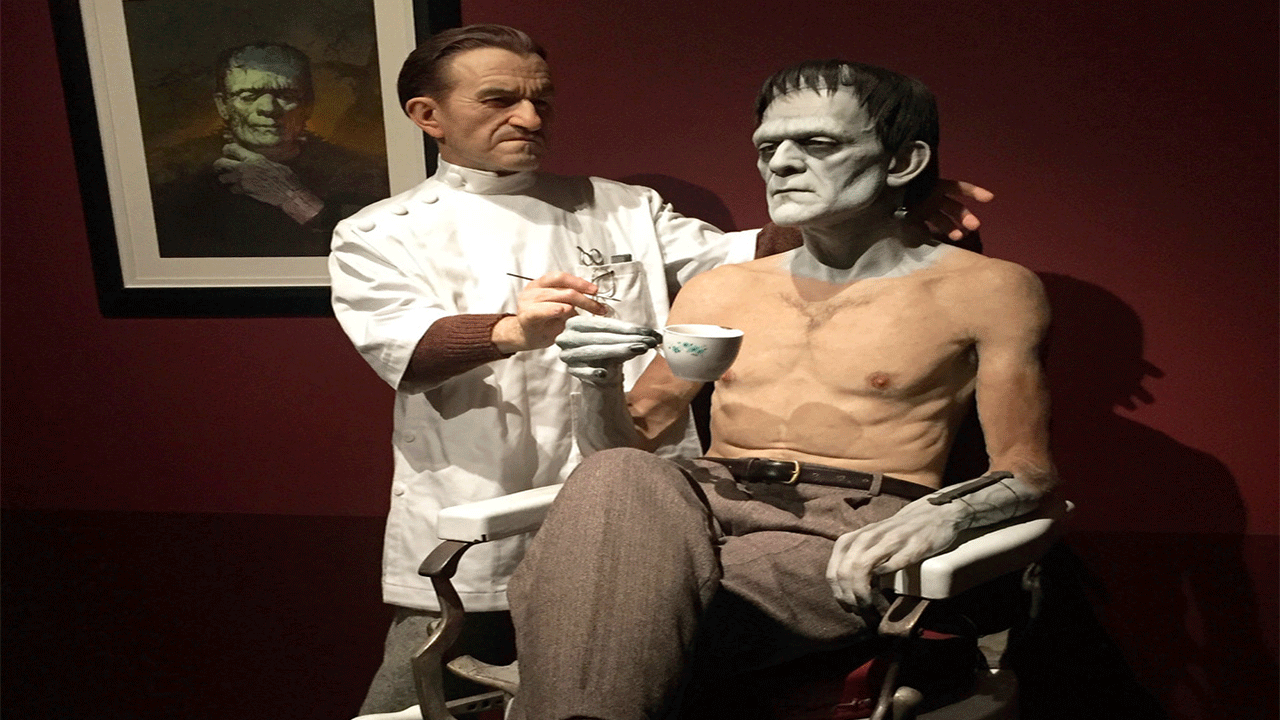
Shelley’s Frankenstein has undeniably had a significant influence on modern art and film. Themes that often emerge from such works include electricity and the reanimation of life, the social and biological characteristics of hybrid life, and redesigning bodies through bio-elective enhancement.