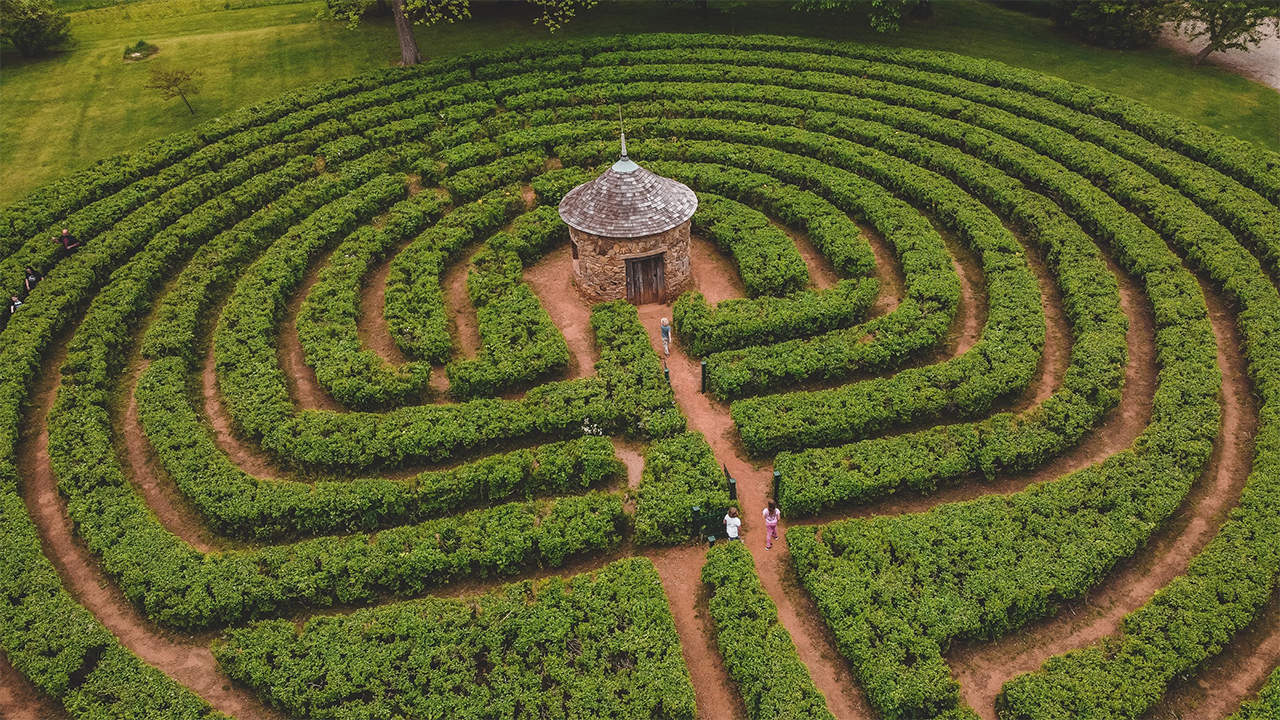
Variations on the Theme of Silence
Silences that close us off, refusing connection, shoring up the ego at others’ expense—those are dead silences. But the letting-go sort, the silences that hold space or keep vigil for someone else? They are alive.
Silences that close us off, refusing connection, shoring up the ego at others’ expense—those are dead silences. But the letting-go sort, the silences that hold space or keep vigil for someone else? They are alive.
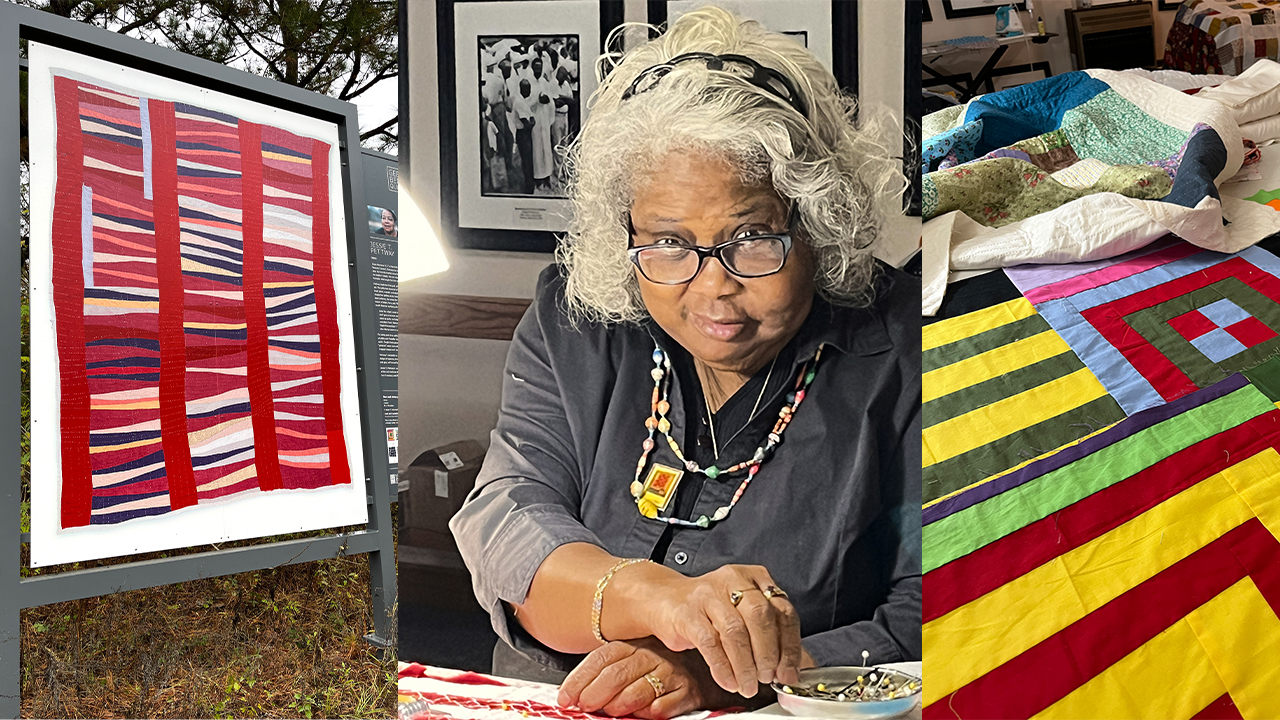
Mothers sewed these quilts when everyone else was asleep, so there was no time to fuss over the details. For batting, they beat the dirt out of trash cotton or swept the floor of the cotton gin. Quilts were women’s work, therefore practical and unquestioned. How were these women to know, tucked into a paper-clip curve of the Alabama River with scant access to the rest of the world, that their quilts echoed the best and most daring modern art?
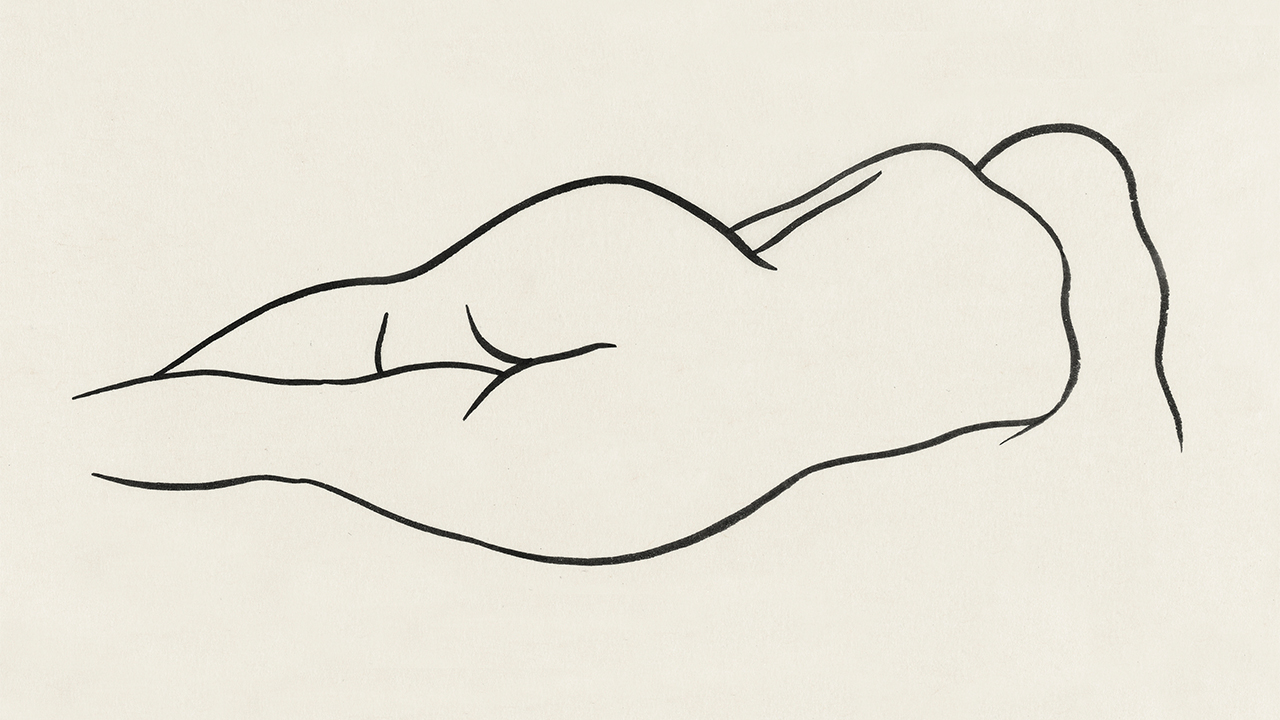
We face the same dilemma with gender that we face with race. Science has shown that neither is an essential category, just a convenient construct we imposed upon infinite variations. But because that construct allowed centuries of injustice, we have to keep using its labels in order to repair the damage they have done.

Riding coach on Amtrak today is more like taking a nice bus. No doubt I will arrive weary, disillusioned and, as the Victorians put it, “travel-stained.”

Even in this time of flux, with fluid identities and avatars that split us into separate selves, names write code for who we are. We bear someone’s name, take someone’s name, carry on a name, drop one. Names, in other words, have weight. They arrive with little suitcases that we roll along for the rest of our lives.
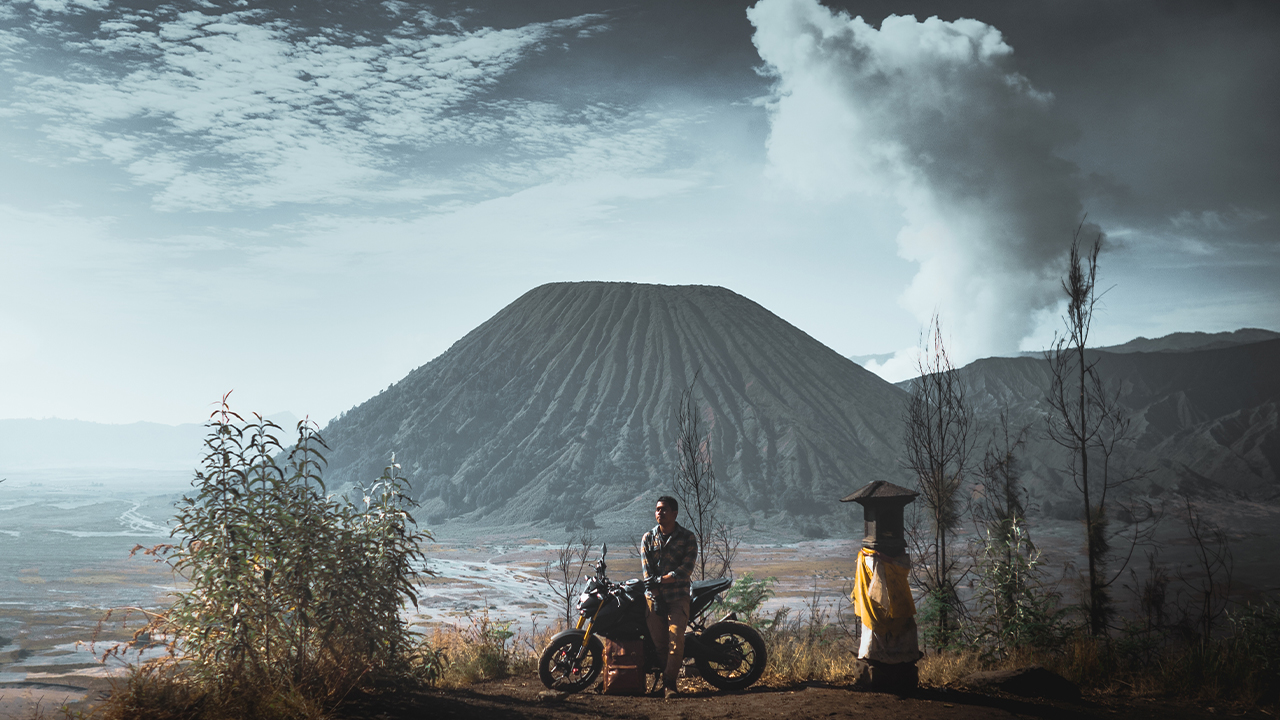
Volcanoes can destroy our cities, burn away our flesh, suffocate us with toxic gases, crush us with flying boulders. Most volcanologists keep a safe distance from their subject. But they still emerge rapt.

Organized religions, at least the traditional monotheistic ones, are stingy in assigning a soul (only to humans) and defining its fate (blackened by sin). They bottle up the holy water, decree which acts are sins and which are virtues, box up God in a package of their own design. Why not let divinity spread out and envelop us, until we can see some faint glow of energy even in the inanimate?
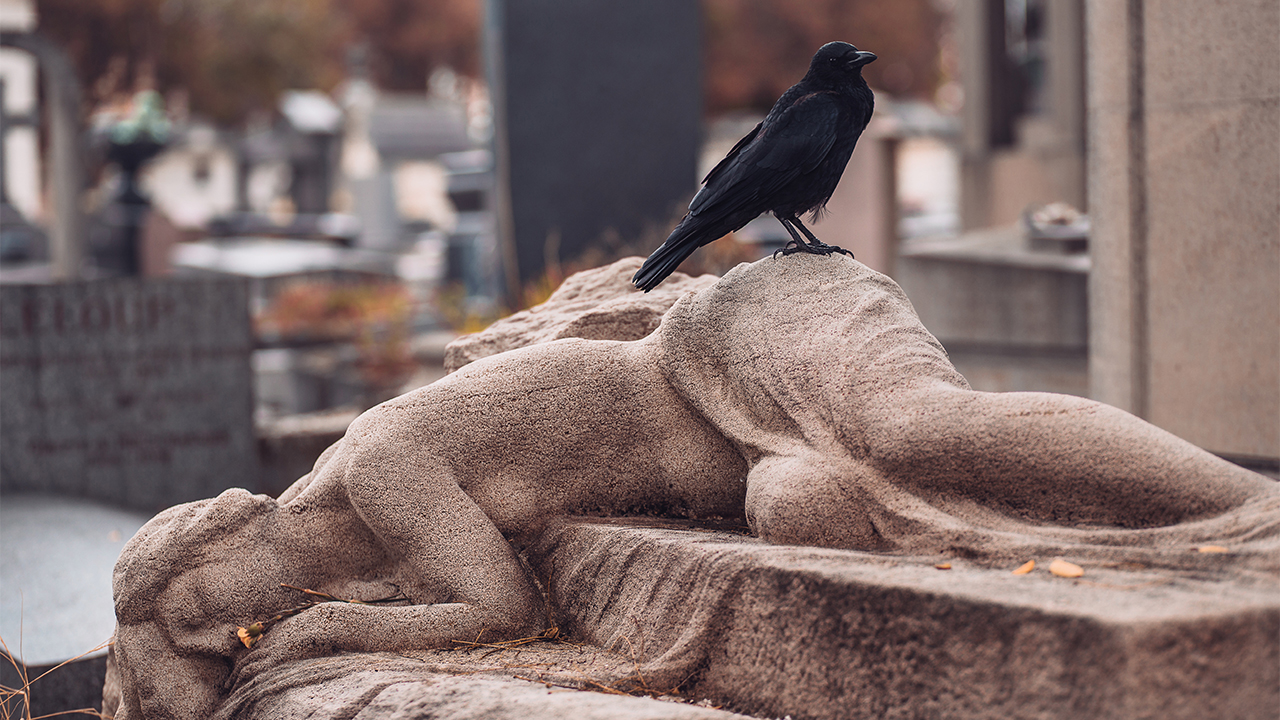
Dying is something we all do. Saints, film stars, Olympic athletes, con artists. I feel calmer every time another cool friend pulls it off; if all these smart, funny people have managed to die, could it be so awful to share their fate? Yet much of what we call culture is created to deny death, or at least distract us from it.
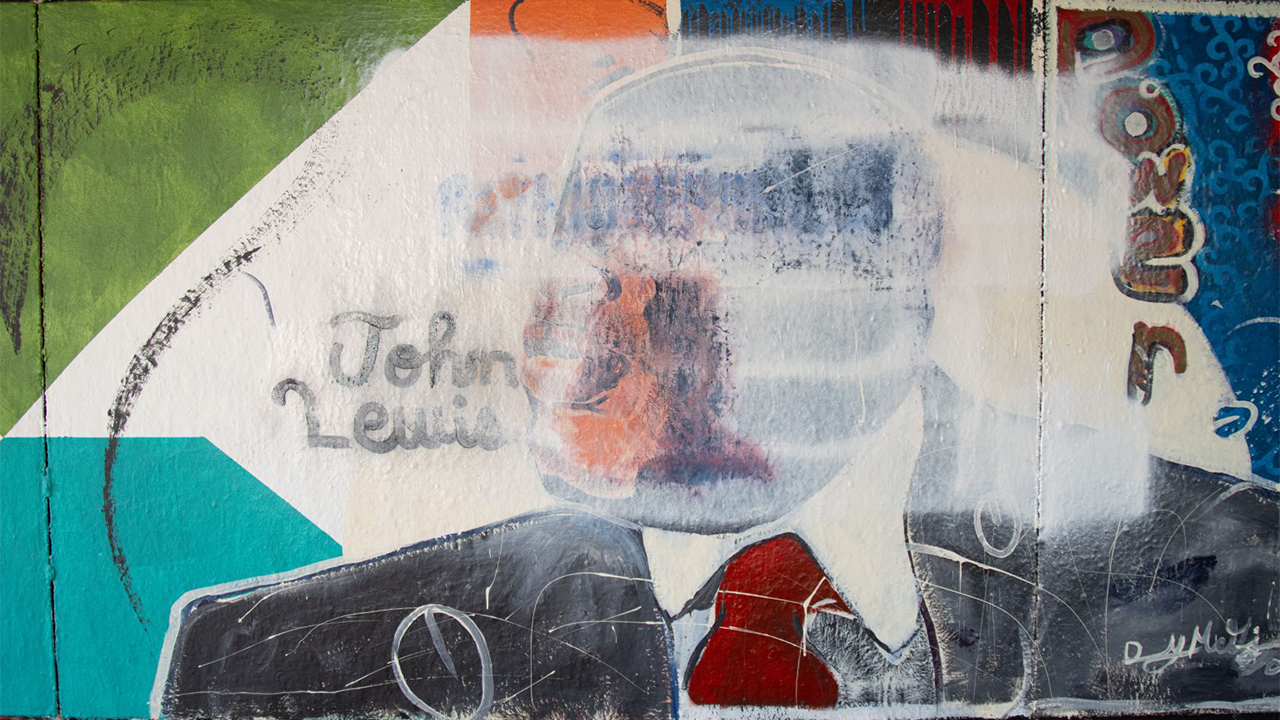
WashU students scrubbed off the racist symbols as fast as they could, but the damage would cost $10,000 to repair. Meanwhile, the video Patriot Front made of the sabotage would be seen, liked, and shared by thousands. The destroyed mural is titled “The Story That Never Ends.”
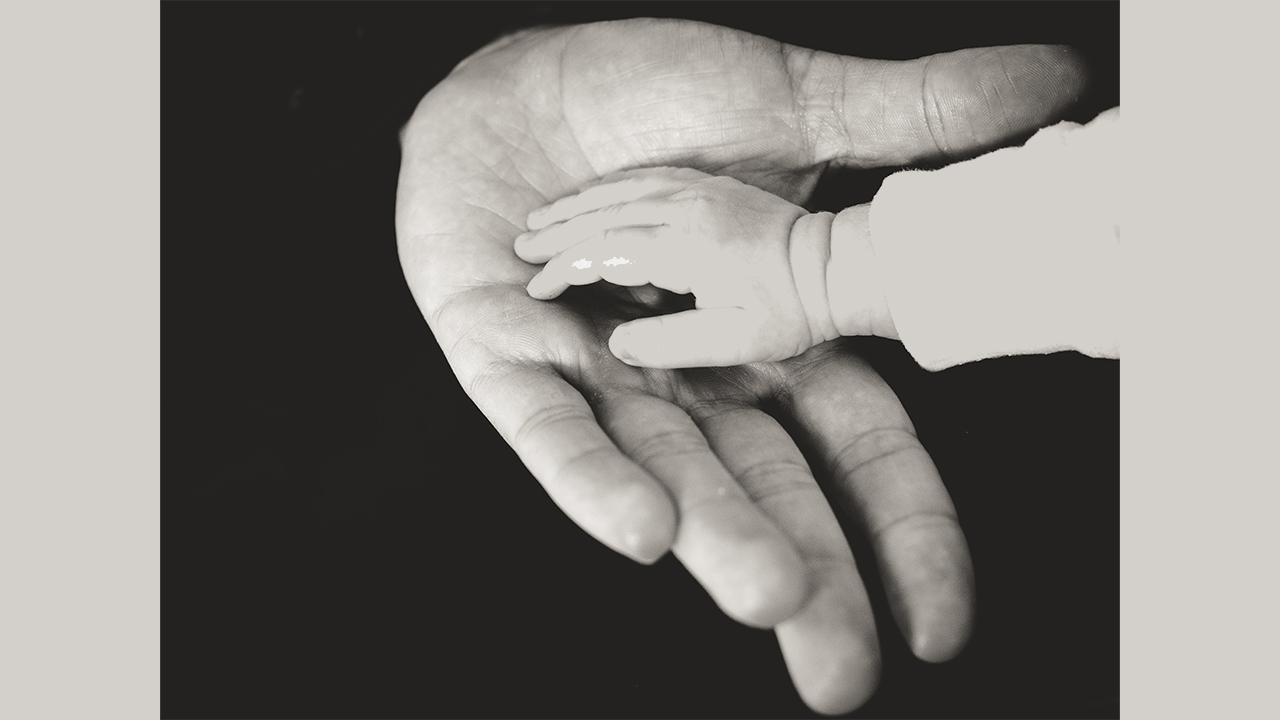
If I had grown up with a father, even for a few years, maybe I would have been bold enough to separate more from my mother in my teens, go a little wild, stop worrying so much about her feelings. If I had grown up with a father, maybe I would have felt free to admit how much I missed having a father.