Learning How to Lose
By Noa Ablin
May 1, 2026
I was supposed to win the sportsmanship award.
By the end of the day, I had made another girl cry.
This was not how I understood myself. I grew up playing everything: basketball, volleyball, soccer, but mostly swimming, where competition felt clean and measurable. You either touched the wall first or you did not. There was no ambiguity, no gray area where attitude mattered as much as outcome.
I swam my entire life. I went to swim meets year-round, part of a team where it felt like twelve-year-olds had chlorine running through their bloodstream. Winning was not exceptional; it was expected. Perfection was not something you reached; it was the baseline. I did not just want to win. I needed it. It structured everything, the way breathing does when you do not think about it. I trained and trained and trained, and so did everyone around me, so I assumed that was normal.
I stopped swimming after high school because it started to feel less like discipline and more like erosion. I did not want my college years to be defined by the sense that I had to keep breaking myself down just to be good enough. So I stopped. And for a while, I thought the part of me that needed to win would stop too.
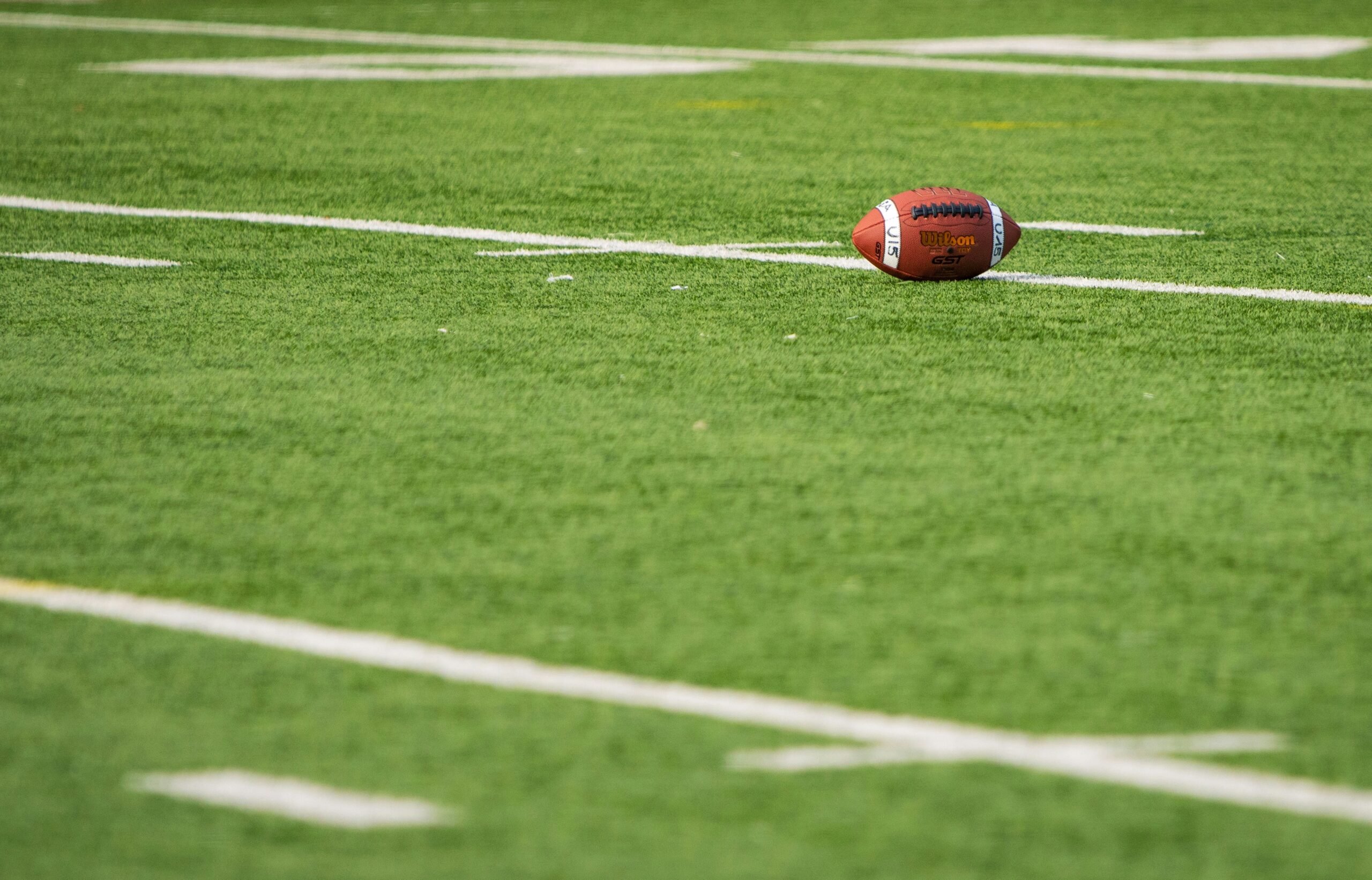
It was the beginning of my junior year of college when my friend Racheli and I were approached about a flag football tournament at the University of Michigan. We were ecstatic. We recruited the fastest, most athletic girls we knew and started practicing in the park outside our apartment.
We picked up the basics quickly. Or at least, we convinced ourselves we had. By the time the tournament came around, we were certain we were going to win. Not hopeful, certain. We said it out loud so often it started to sound like a fact: there was no way we could lose. It would be embarrassing if we did.
The tournament was, in every real sense, insignificant, meant for fun, for meeting other college students, for something to do on a weekend. But we did not meet it at that level. The pressure was not really invisible. It sat on us quietly, familiar and unspoken. Racheli and I had grown from the same thread. We did not just want to win. We needed to.
I have always been the kind of girl people call nice. The one coaches do not worry about, teammates feel comfortable around, strangers smile at without thinking too hard about why. Bubbly, if someone is trying to sum me up quickly. So when the games started, I slipped into that role without really noticing. I cheered for other teams when we did not score. I laughed easily. I was having fun with it. For once, it did not feel like everything mattered.
After the first two games, one of the organizers whistled me over. He pulled me to the corner of the field and told me that, although they usually did not give team captains the sportsmanship award, I had a good chance. I remember thinking there was something absurd about the secrecy of it, the way he lowered his voice, as if this were serious enough to require discretion. It was a casual weekend flag football tournament. It was, by every measure, not that deep. I laughed. Not because it was warm or gracious, but because the seriousness of the conversation felt misplaced. And because I already knew we were going to win. I did not need an award for how I behaved along the way.
We started losing quickly after my overconfident laugh. One loss, then another, then another. It stopped feeling like competition and started feeling like everything was slipping out of place at once, our timing, our spacing, our breath. It was like our hands had turned to butter, like we were all moving a beat too late, like the field had quietly sped up and left us behind.
The girls got tired. Shoulders dropped. Morale dropped so low you had to squint to see it.
We lined up again at the line of scrimmage. Mud clung to my hair and streaked across my bright red tournament shirt, darker now at the edges where sweat had soaked through. My voice came out sharper than I meant it to. “Everyone know where they’re supposed to be?”
A few nods. A pause that didn’t feel like agreement.
“HIKE.”
And it was over almost immediately. The other team cut through us clean, one quick turn, a gap opening where we had not even realized there was space, and suddenly they were running untouched down the field.
Touchdown.
I felt something rise in my chest before I could name it. I turned and saw it in Racheli, too, tightness, focus, something hardening. Racheli and I started yelling over each other before the ball even moved, flinging instructions at our teammates like sharks closing in.
“Do you know where you’re supposed to be? Because it didn’t look like it.”
“Do you want to win?”
“You—no, you there.”
“Who are you guarding?”
“It’s not that hard.”
Our voices got louder, closer together, until it did not feel like separate sentences anymore, just pressure filling the space between them and us. The field felt smaller. The air felt heavier. And then I noticed one of the girls was not looking at us anymore. Her eyes were glassy. She was crying.
Racheli and I looked at each other, horrified. It had gotten out of hand faster than we realized. We subbed the girl out while apologizing over and over, the words spilling out too quickly to mean anything. She had been going through a breakup too, but still, we were out of line. I cursed at myself under my breath and kept playing.
We lost the tournament. It was not close. Not at all. We were something like one and ten.
As the tournament came to a close and the awards were handed out, my name never left anyone’s mouth. I had not won the sportsmanship award I was told I had a chance at.
The names were called. People clapped. The field slowly started to empty, bags slung over shoulders, teams drifting toward parking lots and cars.
Racheli and I made eye contact. We shrugged.
We would do better next time, not by winning, but by showing up for our team.