A Nation Turned Inside Out
A whole lot of us are grieving—and as a result, feeling even more vulnerable, because sadness, in this culture, reads as weakness. And weakness scares us, because it means we are defenseless and powerless.
A whole lot of us are grieving—and as a result, feeling even more vulnerable, because sadness, in this culture, reads as weakness. And weakness scares us, because it means we are defenseless and powerless.
Clotheslines are at once homespun and ethereal, whether they are strung across apartment buildings in Brooklyn or overlook a field of sunflowers in the Midwest.
In 1895, Samuel Verner, a white man from South Carolina, moved to the Belgian Congo to work as a Presbyterian missionary. It seems he had a greater aptitude for acquiring human beings than saving souls. In 1904, he received a commission to bring a dozen people from the Congo to St. Louis to be exhibited at the World’s Fair.
Is this the usual pre-election jitters, when we all threaten Canada? Or is it the blend of clear-eyed realism, hope, and fantasy that brought settlers here in the first place? This country, for so long the world’s golden child, has tarnished.
Reset. That is what we want to come out of this crisis. Not a “transformation,” which has a glowing aura but never works the promised miracle. Not a “reform,” which could be political and painful, or an “overhaul,” which would be expensive and exhausting. Just a “reset,” simple as pushing a button.
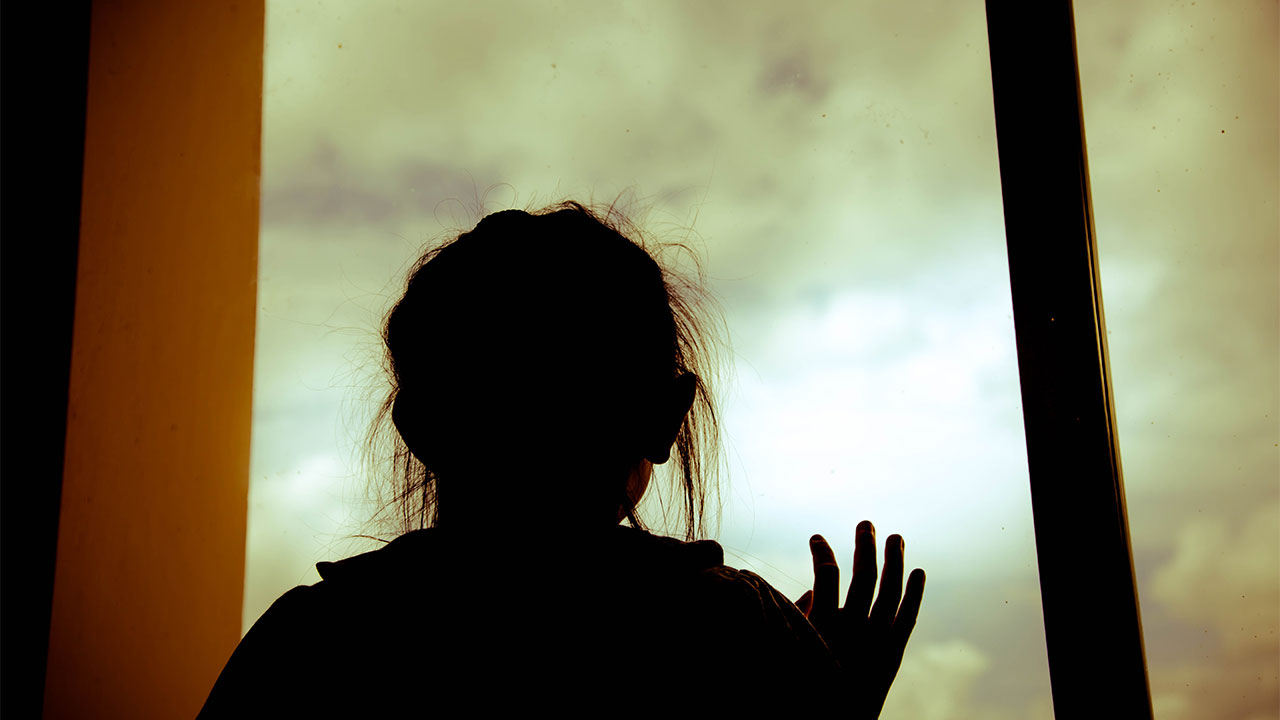
What would it feel like to be quarantined with a parent who was stressed to the breaking point, symptoms flaring, but could not seek help, either because illness had them paranoid or because they were afraid they would lose custody of the one reason they stayed alive?
Technology gave us a hybrid of image, spoken word, and text that is altogether new, electric in every sense of the word. Vision is still our culture’s dominant sense, but movement and soundtrack give it far more power than Gutenberg could.
Cynics will explain the recent exchange of kindness in Darwinian fashion, as either an attempt to keep the species alive or a “reciprocal altruism” that does a kindness hoping to count on one in return. But in my experience, whenever people are forced to deal with something that dwarfs their trivial problems and lets all the tiny busyness drop away, they often react with kindness.
For centuries, we have tried to retain some power over this process of elimination; to pretend our feces is fragrant; to separate ourselves from our waste as cleanly as possible.
Masks express almost as much as our mouths once did, but what they say depends on your point of view.
In the end, "Salvation City" is a coming-of-age story. Its focus comes in tight, as Sigrid Nunez always does, on a single person, in this case a young boy struggling to grow up under extreme circumstances.
All of us who can do so comfortably, without risking our mental or emotional health or that of a possible baby, must pledge to drink a little champagne every week. We are drinking more in the pandemic anyway, n’est-ce pas? The bubbles will cheer us up far faster than those grim vodka tonics.