On Sand, or the Inevitability of Change
Sand itself is sterile; nothing grew on that beach. It was littered with driftwood and shells and odd marine creatures who had washed up there, like old men on park benches. But yes, it held a world.
I wriggle at “childless,” hating the suggestion that I am too selfish to bother, but I am just as uncomfortable with the cold, scathing label of parents as “breeders.” It is tiresome to be asked, “You’ve got kids?” as a precondition to understanding what the speaker is about to say. It also stings to hear people say that “you just don’t know the meaning of love until you’ve had kids.” There are a million ways to love.
Beneath all the grumbling, nervous questions, and smug, tsking disapproval runs an undercurrent of love. Grammar’s fans know that following (or thoughtfully breaking) certain rules of usage can add meaning, edge, emphasis, beauty.
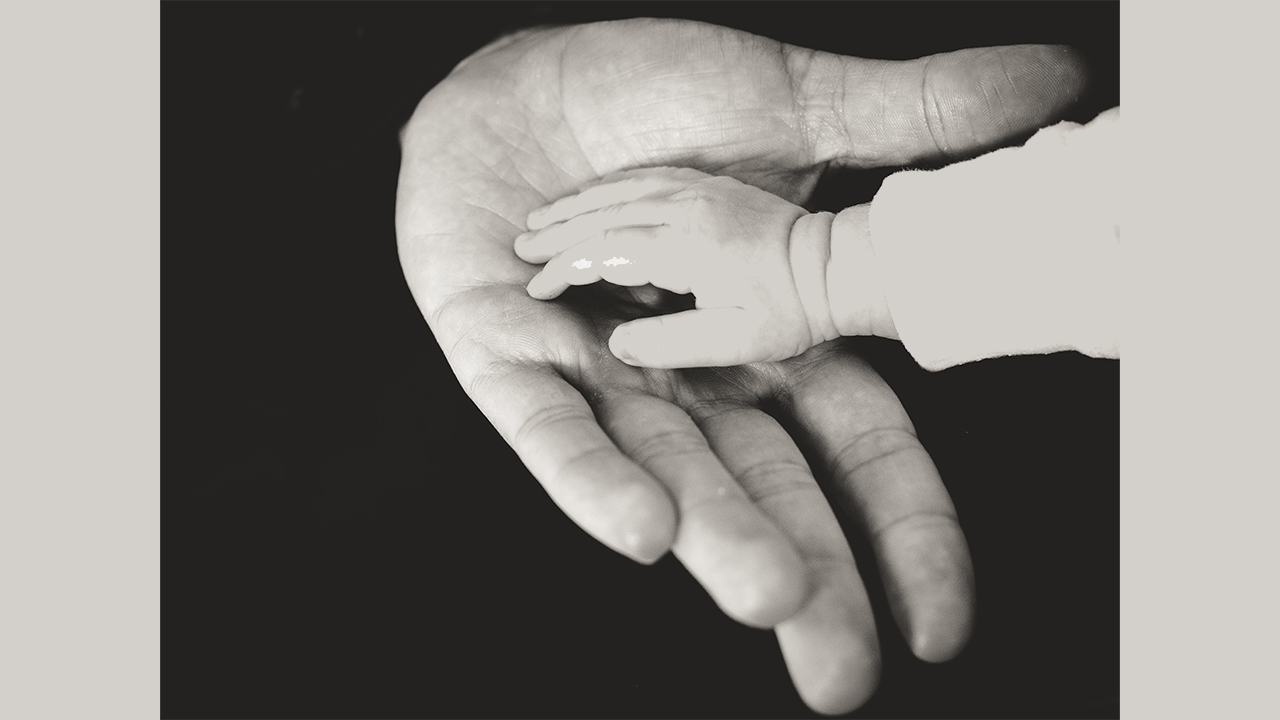
If I had grown up with a father, even for a few years, maybe I would have been bold enough to separate more from my mother in my teens, go a little wild, stop worrying so much about her feelings. If I had grown up with a father, maybe I would have felt free to admit how much I missed having a father.
Attitudes toward unexpected change often run parallel when you are assessing risk or luck. Again, that locates luck squarely inside temperament. Are some of us lucky because we feel lucky? Would our “luck” change if we began to dwell on all we have missed, been prevented from doing, been cheated of by life’s vagaries? Does it increase because we give it more chances?
Corporate lawyers make a fortune tying the courts up with lawsuits over color trespass. Graphic designers lose their minds trying to figure out what colors are still fair game. Not even the speed of light is infinite, and the points along the spectrum will be used up pretty fast. We will run out of colors.

Rather than argue about the precise, magical moment that cells become a being or morality c % licks in a different direction, Japanese Buddhists simply accept the occasional need to stop new life before it develops further. They then turn to metaphor.
Even before the U.S. Supreme Court overturned Roe v. Wade, abortions were hard to find or afford for many women, and the chance of losing abortion rights has loomed for decades. The most obvious difference between now and the years before Roe v. Wade, though, escaped me until I spoke with Heather Booth, a social justice activist who initiated the Jane Collective.
Six of Washington University’s plant-science biologists are female. They travel the world easily. Not one of them, to my knowledge, has had to shear off her hair and bind her breasts to do so.That was the trick used by Jeanne Baret, a self-taught herbalist who became the first woman to circumnavigate the globe.
In a new study, individuals diagnosed with psychopathy (egotistical, antisocial, and devoid of empathy, guilt, or remorse) were compared to individuals with low or zero scores on the standard checklist of psychopathic traits. Those with psychopathy showed a nearly 10 percent increase in the size of their striatum.
Peecycling could replace at least 25 percent of the commercial fertilizer used worldwide. And the advantages are stunning. First, it is cheaper. Second, peecycling keeps the urine out of the groundwater.
Economic espionage takes place with increasing frequency, part of the 700-plus China-related counterintelligence investigations the FBI now launches every year. But because the United States has an open market and laws protecting privacy, individual liberty, and the global collaborations of our corporations and universities, economic espionage is incredibly hard to prove and prosecute.