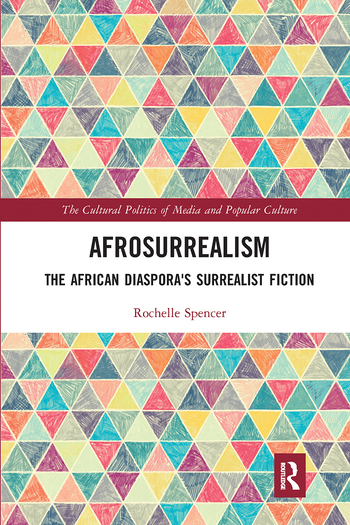
The Non-White Shape of Things to Come
Rochelle Spencer’s "AfroSurrealism: The African Diaspora’s Surrealist Fiction" is a specific contribution to an important cultural genre and milieu. But it is also an argument for how to look at the world.
Rochelle Spencer’s "AfroSurrealism: The African Diaspora’s Surrealist Fiction" is a specific contribution to an important cultural genre and milieu. But it is also an argument for how to look at the world.

Cara Robertson compellingly documents the known facts of the Borden case, and because she strategically avoids participating in a long tradition of sensationalizing the events of the murder and its aftermath, she is simultaneously able to tell the equally captivating story of the many ways that journalists, writers, and historians have shaped the mythology of Borden murders, beginning in the hours after the crime.

The arrival of the pandemic-era summer was a freewheeling mental battle between appreciation of health and stability, and an almost selfish disdain for a locked-in, isolated life that I had never imagined I would have to experience.
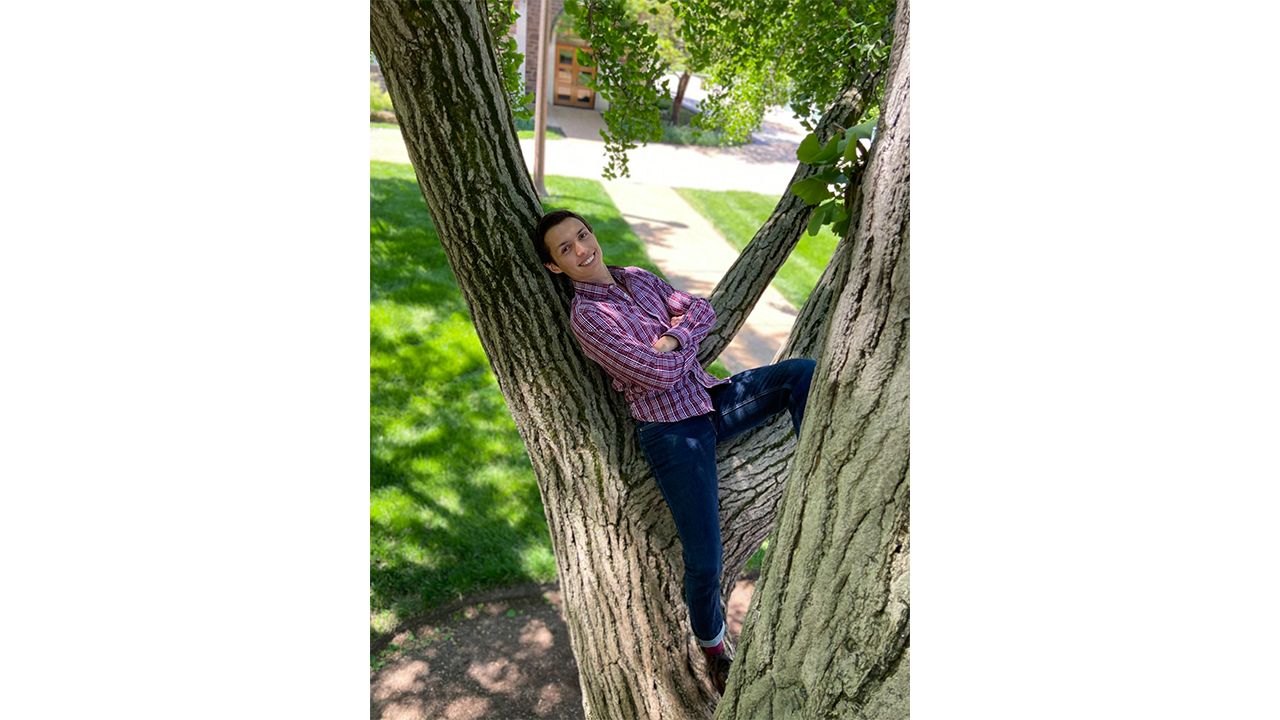
The rest of the semester, though emotionally extremely trying at every step, ended successfully. However, the long and hard path I planned for my summer made the incessant grind of my final semester at Washington University look small.
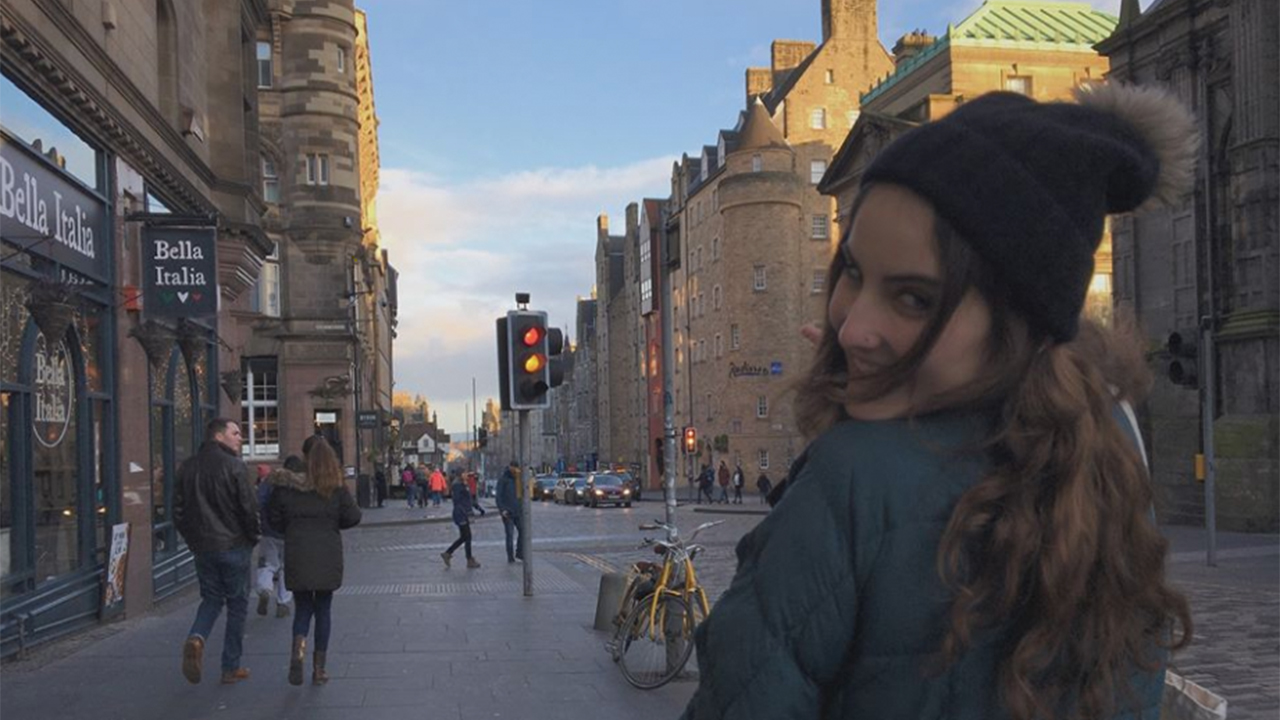
My usual response when I decide that any aspect of my life is spiraling out from under my possession is usually the impulse to regain control in whatever way possible. But as I settled into an unfamiliar back room of my parent’s new apartment, months and months of uncertainty stretched out onto the bare white walls around me. I felt any semblance of a “plan” spiral out into a realm that I could no longer grasp.
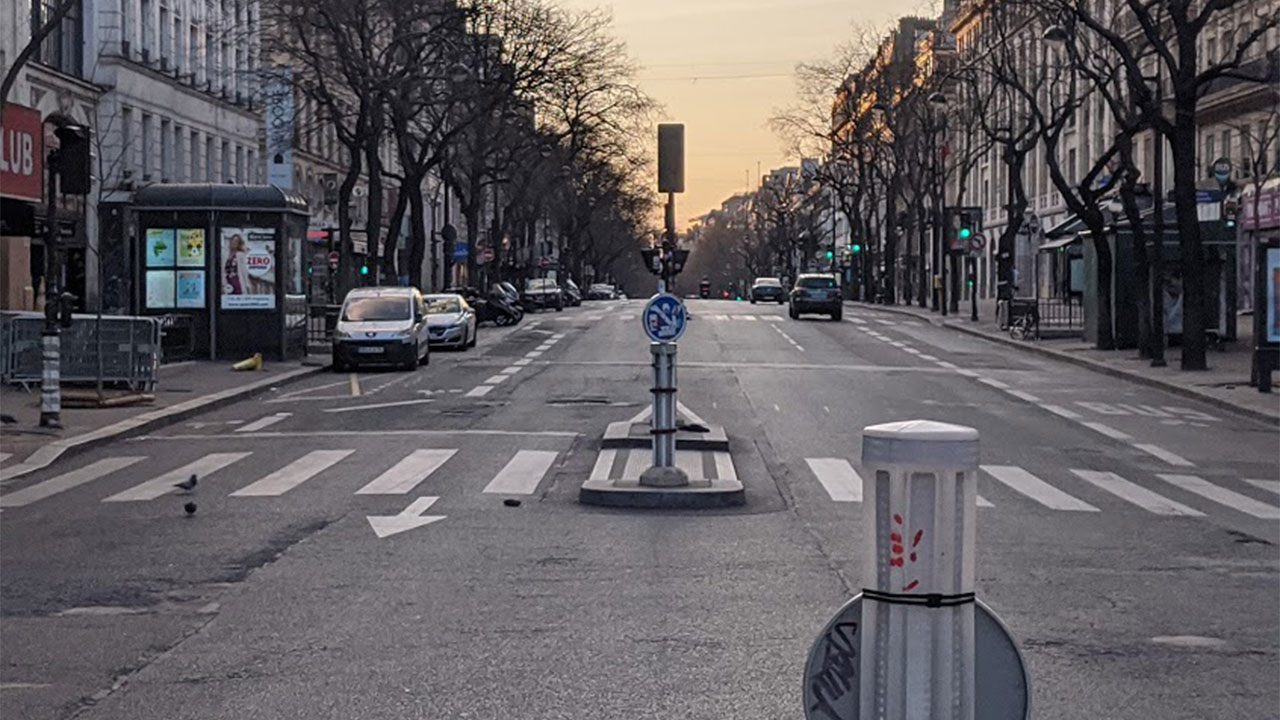
Everyone is thinking about leaving Paris. Everyone is saying that France will be able to handle it better than Italy. Everyone is taking preventative measures; everyone is still going out to bars. Everyone is worried that they have it, everyone is convinced that they could never get it, that the Métro car that they are in, that their favorite café du quartier is somehow excluded from the pandemic.
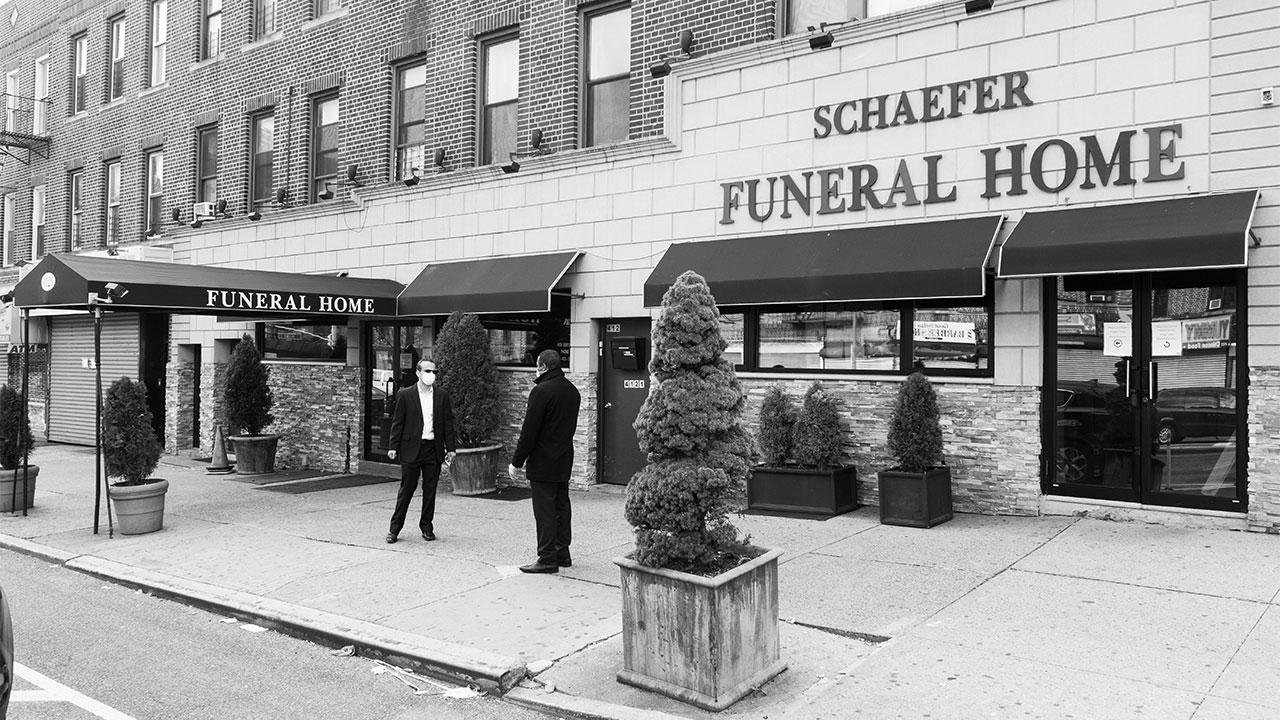
It is as if a vacuum has pulled loved ones out of families’ lives. One day, everything is normal. The next, they may be in a hospital but cannot be visited. Then they are gone, without even a glimpse goodbye.
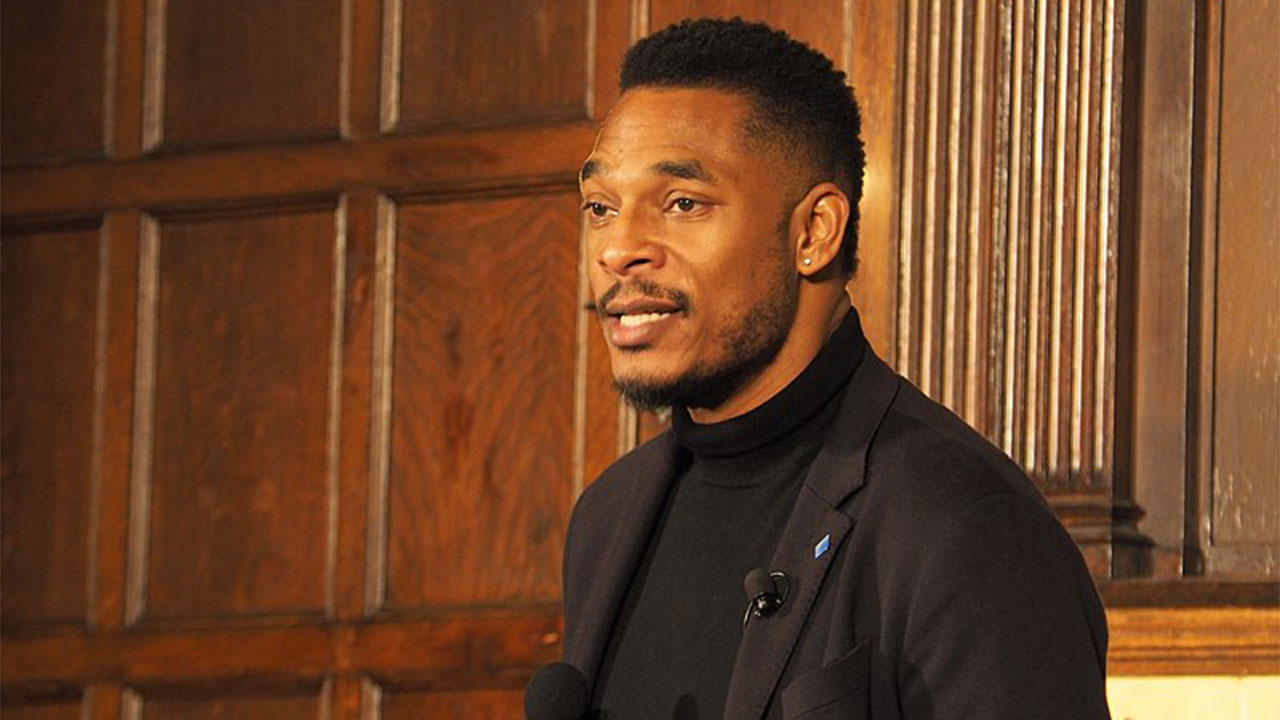
"This moment is a great leveler. My inner resources are the opposite of capitalism—not to rely on anything other than your capacity to make stuff as a way of spending your time. I’ve always thought that. It’s all in the work. What I would say to my kids when they were going to school: be sure to make something today even if you’re making trouble. The idea is maker’s knowledge."

How exactly the world was killed might be a mystery, but the who seems all-too-obvious: men. Men and their consuming hunger for more power and more speed.
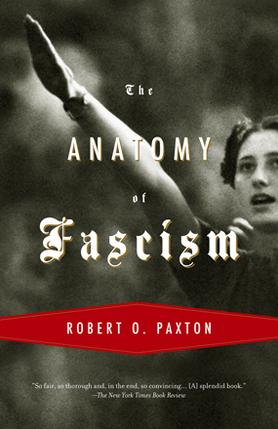
To seek a more cautious understanding of fascism through scholarly literature, there is probably no place to start more respected than Robert O. Paxton’s The Anatomy of Fascism, now more than a decade old.

McRae’s book insists that the story of racist massive resistance, much of it historically led and sustained by women, was always much more than simply a Southern or a Jim Crow phenomenon, and that it was always about much more than school segregation.

Today's Gen Z youth have created a culture of hybridized nostalgia—an aestheticization of past fashions and lifestyles filtered through a modern lens.