Jan Garden Castro (https://www.jancastro.com) is author of The Art & Life of Georgia O’Keeffe, Sonia Delaunay: La Moderne, and The Last Frontier (poems) and contributing editor at Sculpture Magazine. Castro and Clement met in 2019 when Castro was acting head of PEN Women, New York. Castro’s Afterword for Atwood’s The Handmaid’s Tale comes out from Suntup in a limited sold-out edition in 2022.
By Jan Garden Castro
By
Jami Ake
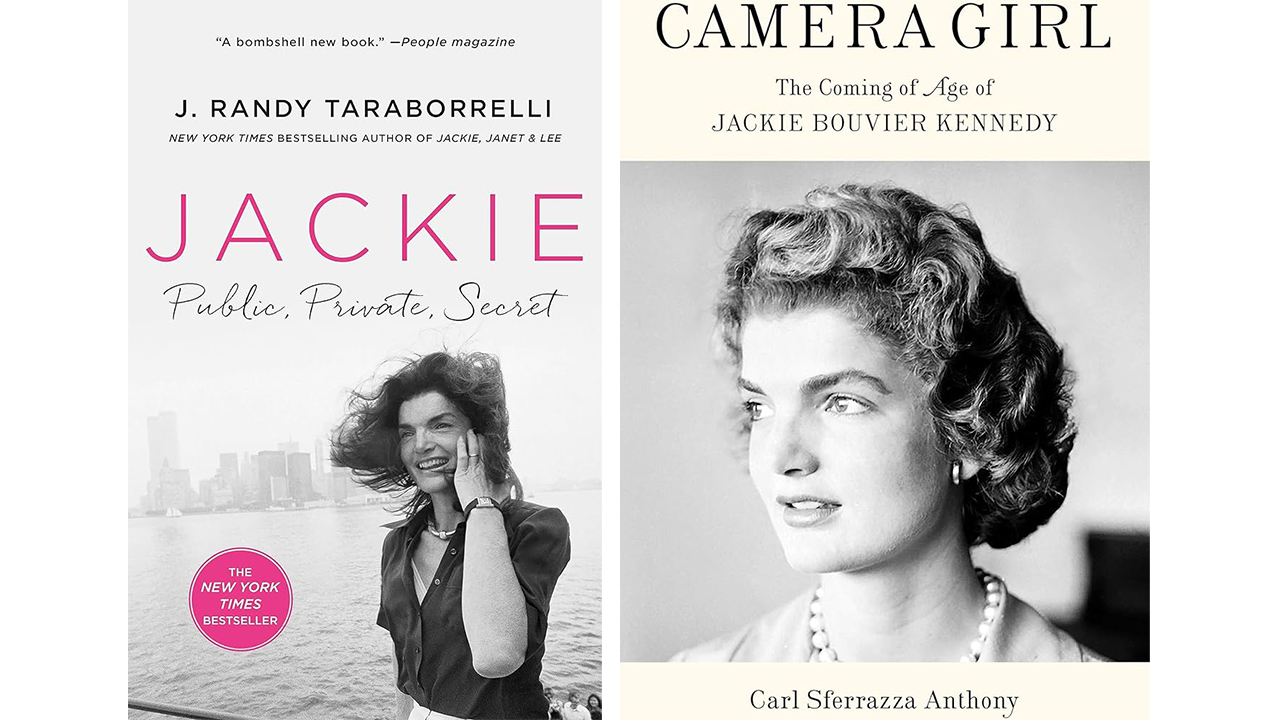
Both Taraborrelli and Anthony reach for an authentic Jackie beneath the layers of scrupulously constructed self-representation populating the archives and historical record. In his preface, Taraborrelli laments that generations of fans, reporters, and the general public have long been “guilty of trying to make her something she was not and never wanted to be–not a mere mortal but, rather, some sort of mythological figure.”
By
Lyndsey Ellis
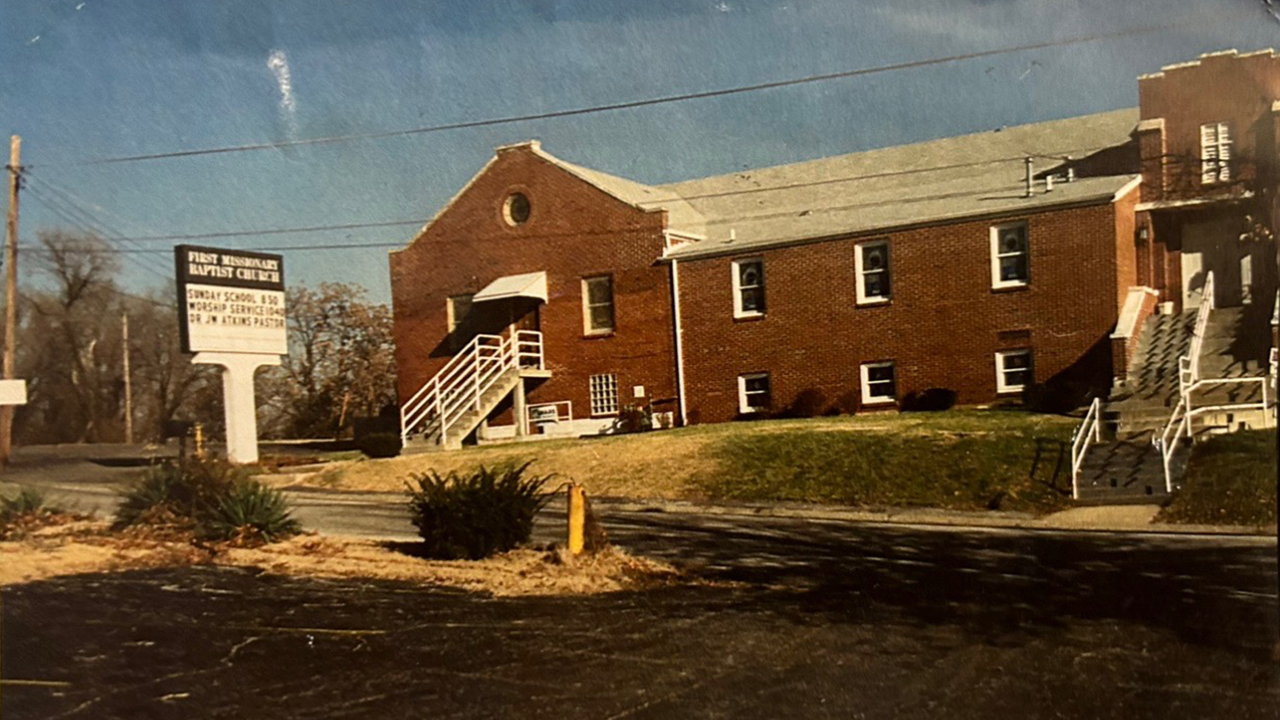
It has been surreal to witness more of our departures from here than our arrivals. Having been among those who left, I returned searching for clarity on the future of St. Louis and still believe in its imminent reinvention.
By
Lyndsey Ellis
What was once America’s fourth-largest city remains an enigma consistently met with collective ambivalence. There is a dark side to the city, especially when it comes to racial disparities. Historically, decades of oppression have left a bad taste in the mouths of many Black St. Louisans.
By
Lyndsey Ellis
The mass exodus of Black St. Louisans in recent years continues to raise eyebrows and stir concerns that question where longtime residents are going, but mostly, why they are leaving.

By
Jessica W. Chin
McClearen argues that the marketing and branding success of the Ultimate Fighting Championship (UFC) was in great part made possible by sociocultural, technological, and political conditions that provided an ideal landscape for realizing success in building the promotion. Fighting Visibilityis McClearen’s assessment of these conditions, showing how the UFC aligned itself with dominant ideological messages and neoliberal logic, as well as movements of identity activism, to create a powerful sports business enterprise.
By
Steven C. Hause
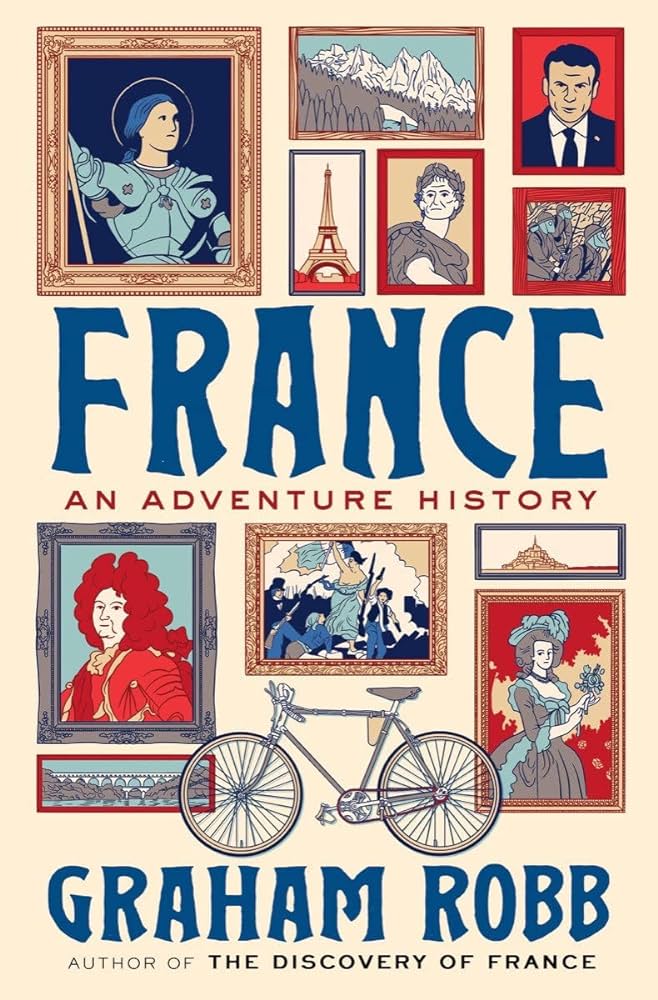
France: An Adventure History remains, from cover to cover, a truly different history. It is long and densely packed with knowledge, just not told in a traditional narrative.
By
Lyndsey Ellis
As of July 2022, Blacks totaled 128,387, or 44.8 percent, of St. Louis’s population, according to the U.S. Census Bureau. In 2019, the number of Black St. Louisans numbered 136,167, or 45.3 percent, of the city’s population. The migratory trends among African Americans here raises the question if this is a new-age forced migration, and if so, to what extent?

By
Patty Heyda
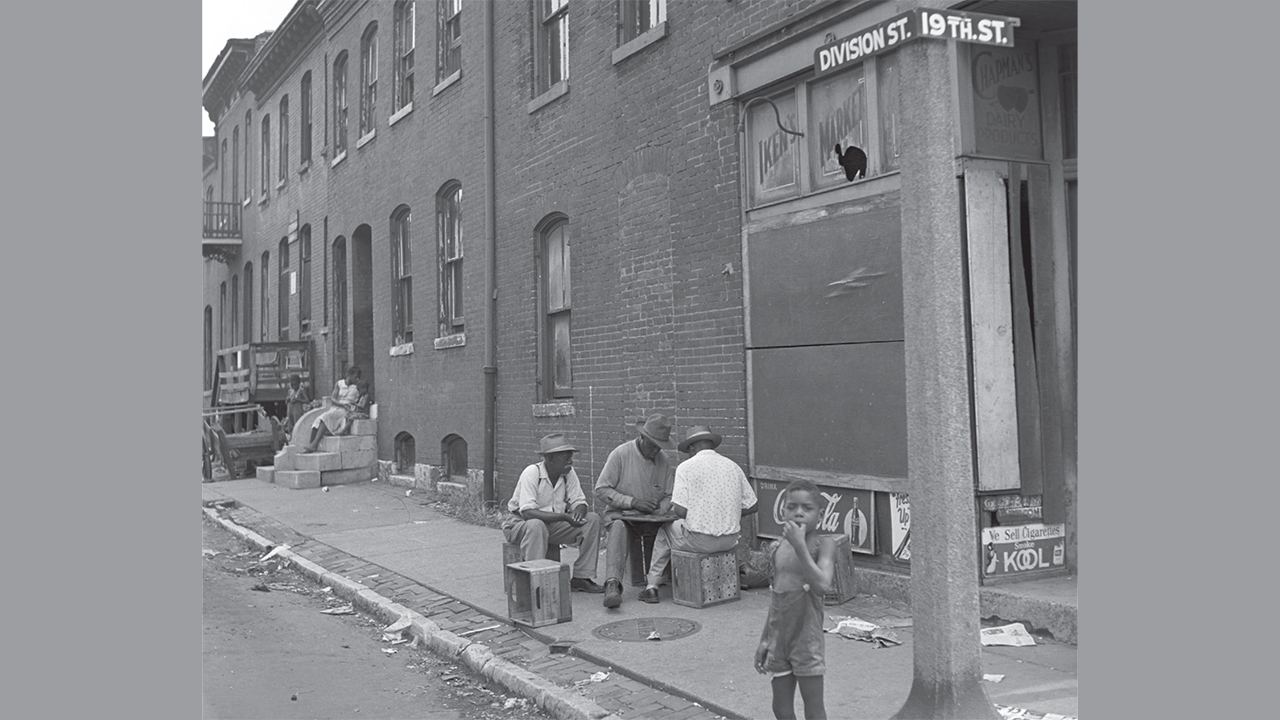
So what are the tools and ideas that made it ok—at least from somebody’s perspective—to remove hundreds of people from their homes under claims of progress and revitalization? What made it ok to level affordable, multi-family units that were so well-made and so important to the city’s history of industry and labor that they were listed on the National Register of Historic Places? And then to replace them with cheap construction of larger, more expensive, single-family homes? Why does wholesale clearing persist if we know, based on the lessons long learned and documented, from redlining and urban renewals to predatory loans, that clearing and exploitation are forms of racial injustice?
By
The Common Reader contributors
St. Louis in the Long Era of Ferguson
By
Richard Chapman
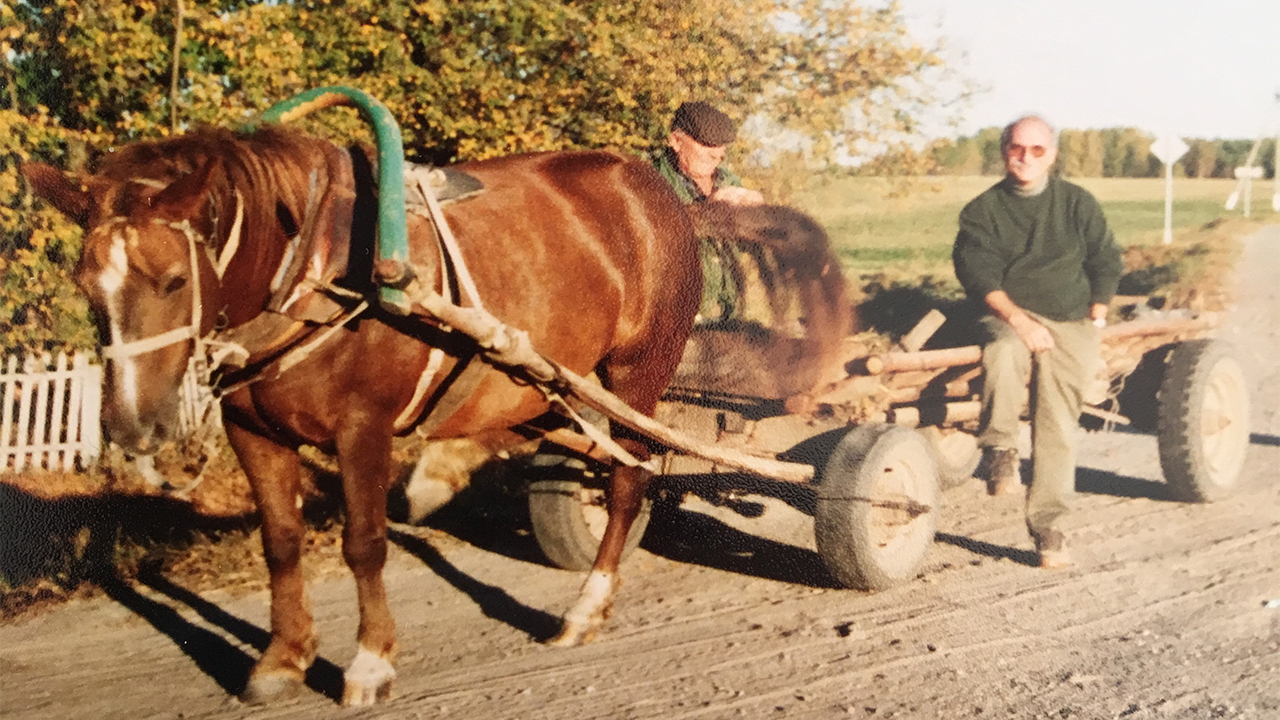
Belarus finally declared independence in 1990 but it was a republic ruled by Vladimir Putin’s puppet president, Alexander Lukashenko—the last of the old-school ironfisted dictators, whose reign continues to this day. For me that day in 2002 was the beginning of a mashup of Fear and Loathing in Minsk meets Planes, Trains and Oxcarts as I got a guided tour of the no man’s land just across the Pripyat River from the decaying, hulking skeleton of the Chernobyl Reactor Dome.

By
Jan Garden Castro
The American-Mexican novelist and author of Prayers for the Stolen, adapted for Netflix, reflects on women’s rights, the beauty and danger of life in Mexico, and being “the granddaughter of surrealism.”
By
Andrew Wyatt
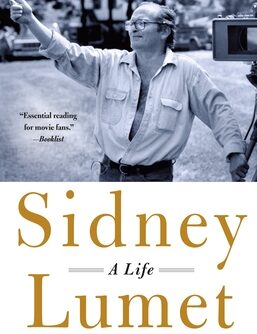
Maura Spiegel’s approach simultaneously favors the intimate and the sensational, painting a portrait of America’s most unassuming cinematic auteur that emphasizes both his workaday normalcy and the rarified place he occupies in the nation’s artistic and cultural landscape. It is an unabashedly hagiographic work.