By Gerald Early
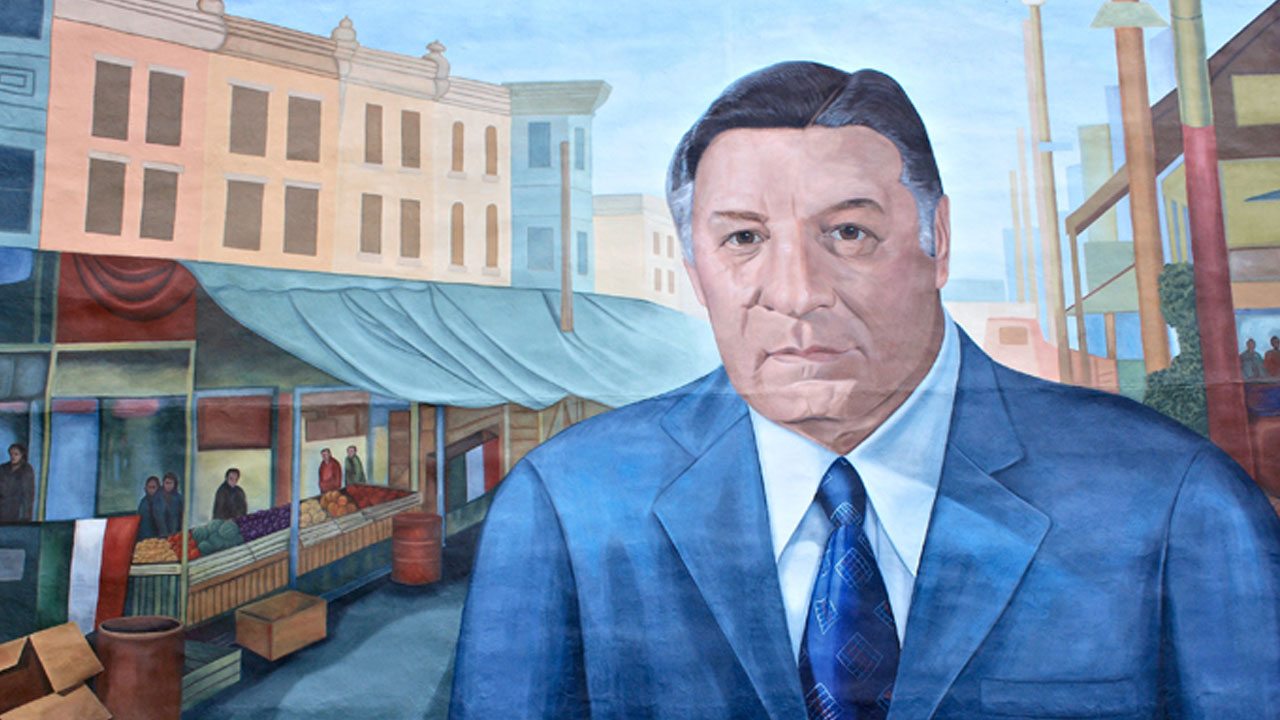
Rizzo’s Reign, And Other Observations About Policing
The reign of Frank Rizzo was also the era of the rising black political power in Philadelphia. Nowhere was the clash of racial interests more intense than the police department.
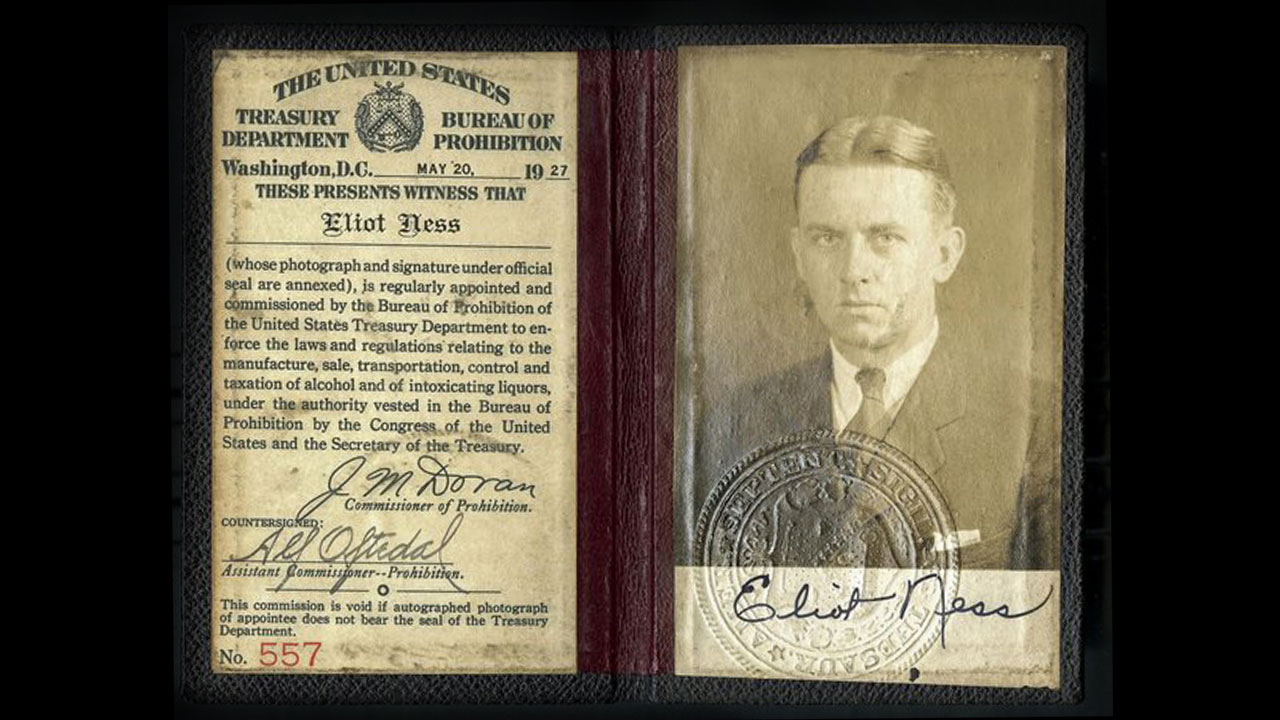
Lawmen
Two new biographies reveal that police work is not so simple and straight-forward—cops versus robbers, order versus chaos—as many might think. Those enlisted in the job of enforcing the law are more complicated in their impulses and motivations, more conflicted or contradictory as human beings about the meaning of what they are doing, than partisans of either side willing to concede.
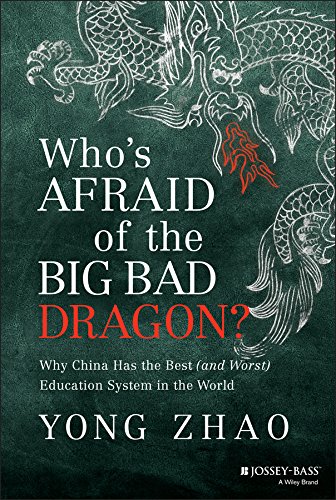
Enter the Dragon
Yong Zhao analyzes the origins, strengths, and failures of the Chinese educational system with an emphasis on its authoritarian nature. He may ease the concerns of other countries, who may feel pressured to follow the Chinese model, but he also demonstrates how problematic comparisons can be.
Editor Gerald Early on RAF-STL
Gerald Early, editor of The Common Reader, speaks with RAF-STL radio host Kathy Lawton Brown and the journal's inception, and its future.
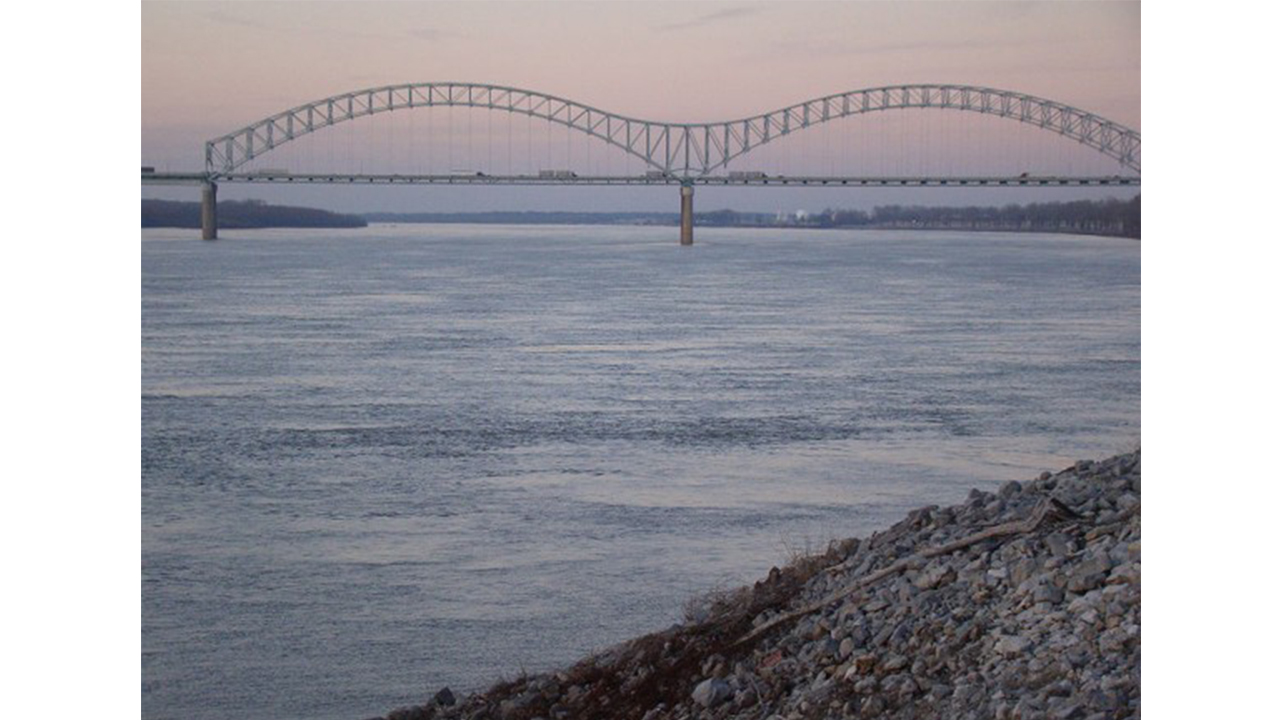
“From Memphis to New Orleans”
A journey down the Mississippi River shows that our search for authenticity recedes forever. Like the horizon at the end of the mind, it is always just around the bend in the river.
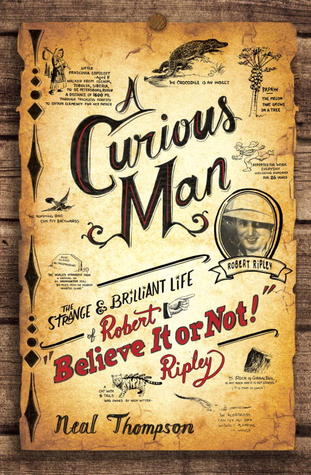
The Ripley Effect
Like an amusement park, Believe It or Not was a cheap thrill but it also brought together a community of seekers who sought their faith through the excess of the unusual.
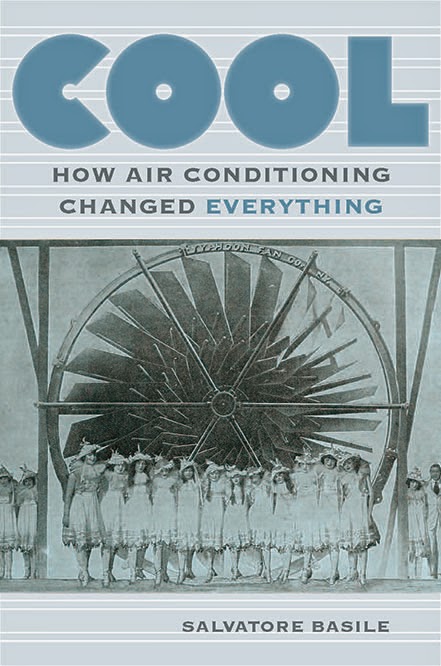
The Birth of The Coolth
Americans were more fully aware that modern life, urban life in the late nineteenth century, made heat more unbearable than ever. As Salvatore Basile writes in Cool: How Air Conditioning Changed Everything: “America was realizing that a heat wave was much more unpleasant in cities than in rural areas: the larger the city, the more brick and stone and human bodies, the more hellishly hot it felt." A man-made heat was being created that could only be controlled, ultimately, by man-made cooling. Slowly, inchoately, but tenaciously, the quest for coolth had begun.
Hearn’s “Memphis To New Orleans”
The Common Reader’s inaugural essay by Lafcadio Hearn, one of the most acclaimed journalists of the 19th century. Born 1850 in Lefkada, Greece, Hearn became most famous for his writings about Japan. Before that, however, he was a well-known New Orleans journalist.
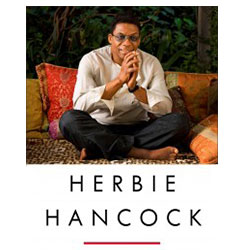
Degrees of Hancock
Herbie Hancock's dazzling autobiography speaks not only to the artist inside the man, but the myriad doors he opened in the music world.
Food For Thought
Emphasizing the need for food, the abuse of food, or the communal aspect of eating, somehow unlatches a secret, emotional spring of insecurity.
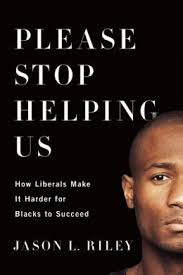
Do The Right Thing
"Most blacks, without question, would rather be successful capitalists, however “exploitative” of land and labor, than wards in an egalitarian socialist state because, in the end, even members of a persecuted group, the dream is to have power, not justice. Or put another way, the acquisition of power becomes its own form of justice. The problem with Riley’s book is not its conservative message, but that the message is not sufficiently framed to appeal to black folk’s sense of racial destiny and pride. In short, it is insufficiently chauvinistic, less chauvinistic than the title promises."