
With a Little Help From My Facebook Friends
Some grace notes to our original May 3 listicle of great films about jazz.
Some grace notes to our original May 3 listicle of great films about jazz.
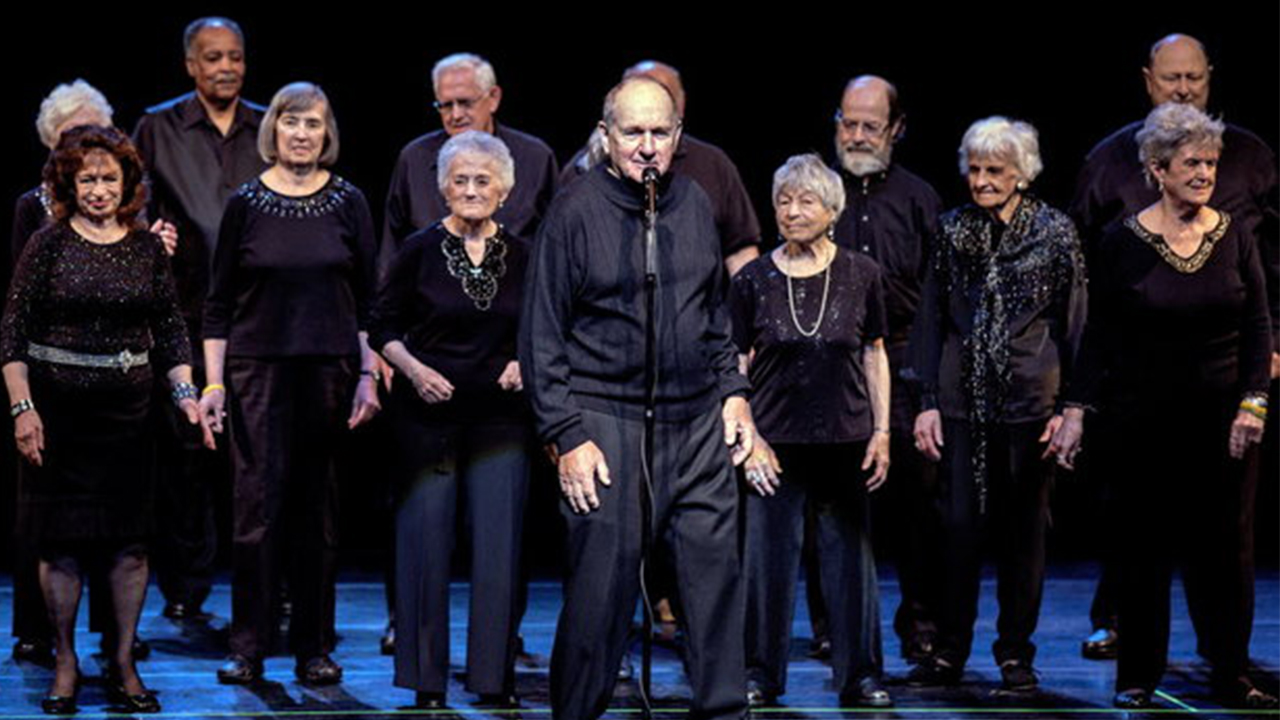
From Bill Withers' "Grandma's Hands" to Jack Yellin and Ted Shapiro's "Life Begins at Forty," music has our number when it comes to growing old.
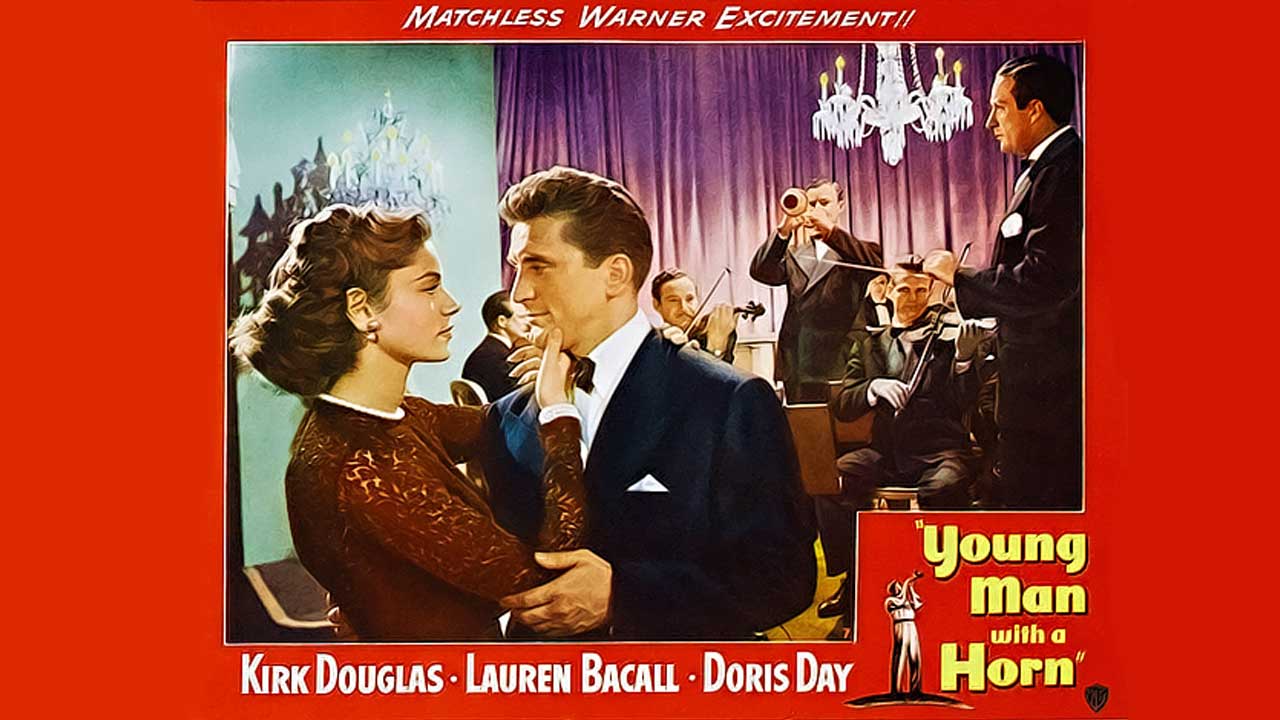
Twenty films on, and about, jazz hit every note in the genre. And then some.

Yudell shows how scientists, even with the best intentions of modernizing the concept of race to keep up with current evidence, often wound up reinforcing its standard view to help insure its survival.
Pitch by Pitch is exactly what its title states: Gibson describes the first game of the World Series by recounting every pitch he threw in the game and why he threw it. (He also analyzes every pitch McLain and the opposition threw as well.) It is as detailed an account as a reader can ever get of how strenuous pitching is
By interviewing so many of the second Ali-Liston fight’s participants and their direct descendants before their information slips away and is lost to us forever, Rob Sneddon has added remarkably to the history of boxing.
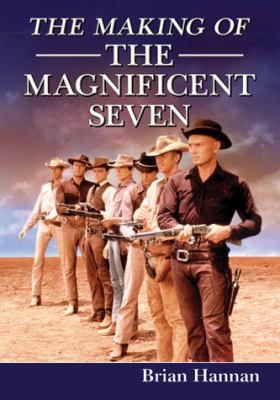
The Magnificent Seven became a defining masculinist film in a way few other films of its era could match. No character emerged more stylized from the film that Brynner’s character Chris, and the film itself symbolized the liberal, consensus, interventionist politics of the Cold War era.
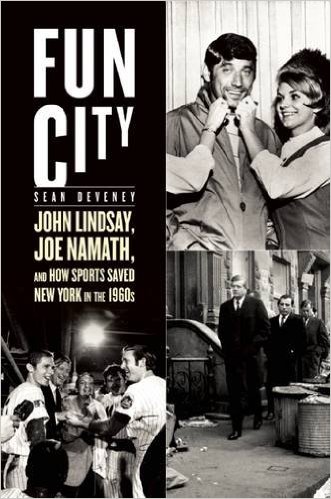
With New York City's most iconic mayor and most adored athlete as central characters, Sean Deveney tells us a 1960s tale of missed chances, of rebels with a cause whose success adumbrated their larger failure in an ironic, but unmistakable, way.
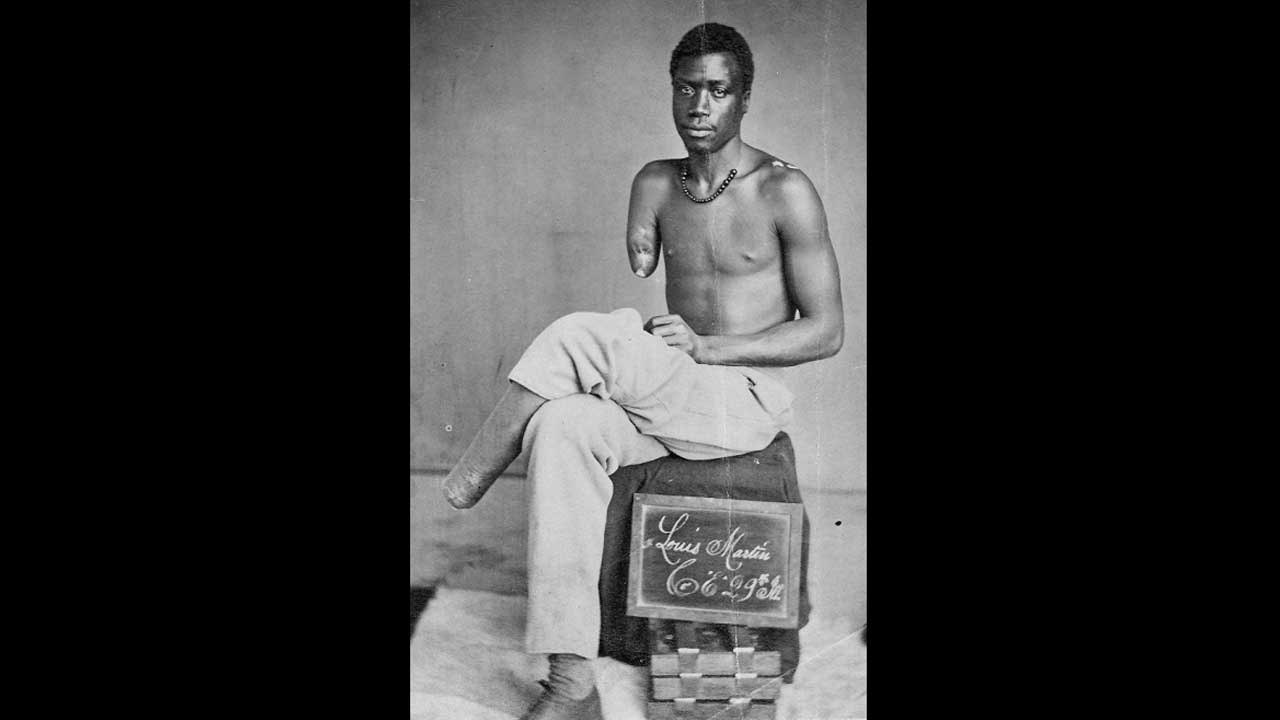
Beyond the photo, there is little known about Private Lewis Martin, also known as "Louis Martin," but Heyworth seems to have found what little there is, and that little is actually of some importance.

There was something about Mayberry that evoked a kind of Southern nowhere-ness. It was the not the New South of Henry Grady, not the romanticized South of a natural and benign unequal social order like Thomas Nelson page’s. How could Mayberry be that when it had, amazingly, no black people?
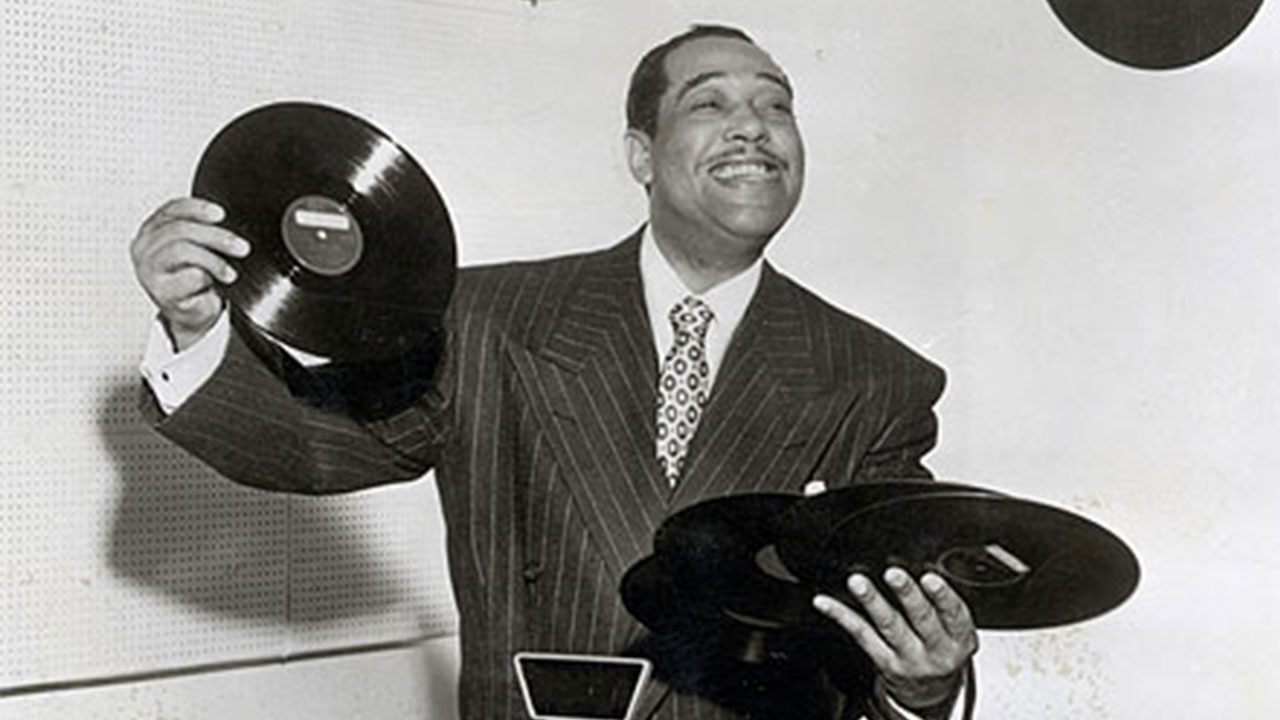
The Common Reader on popular music
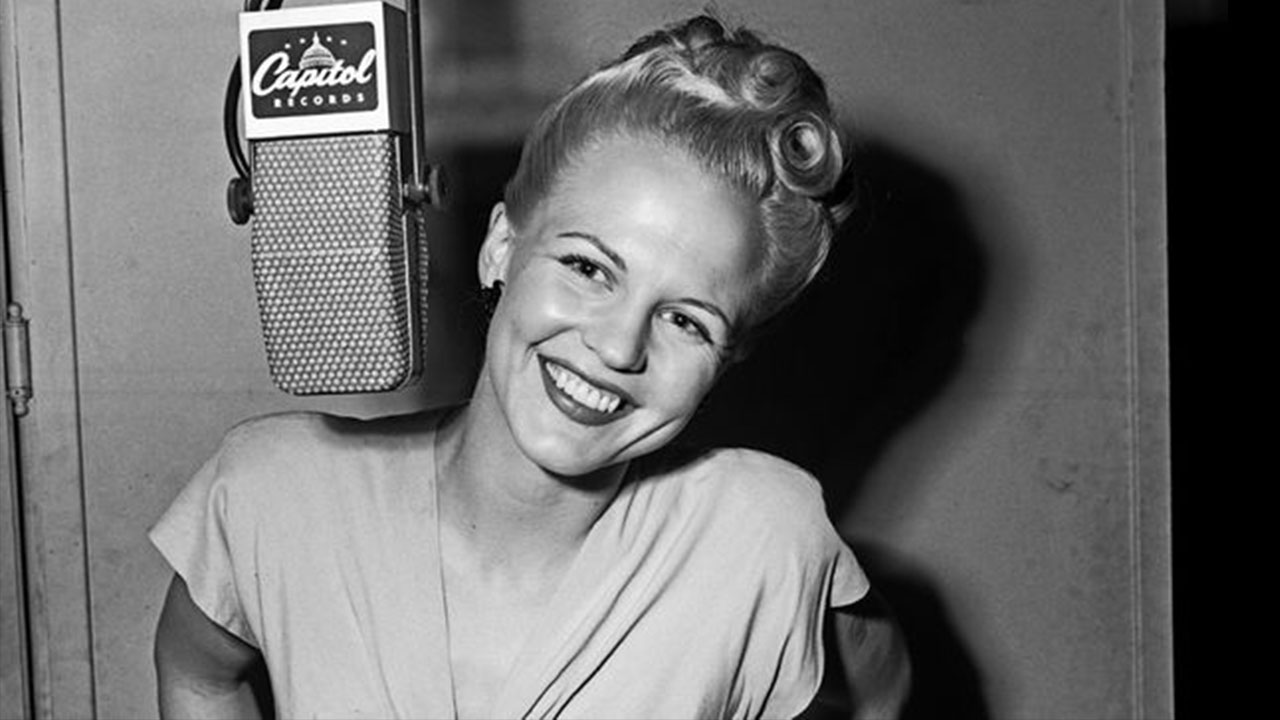
Despite a mountain of insecurities and sheer craziness, Peggy Lee remained undaunted. Engaging, and at times challenging, she made remarkably sophisticated music well into the 1980s, refusing to be an oldies act. But perhaps her greatest claim to public attention was that the blonde, North Dakota-born singer sounded black.