A recovering journalist—the former executive editor of the St. Louis alt-weekly The Riverfront Times and arts-and-entertainment editor of The St. Louis Post-Dispatch—Cliff Froehlich is the retired executive director of the nonprofit Cinema St. Louis.
By Cliff Froehlich
By
Cliff Froehlich
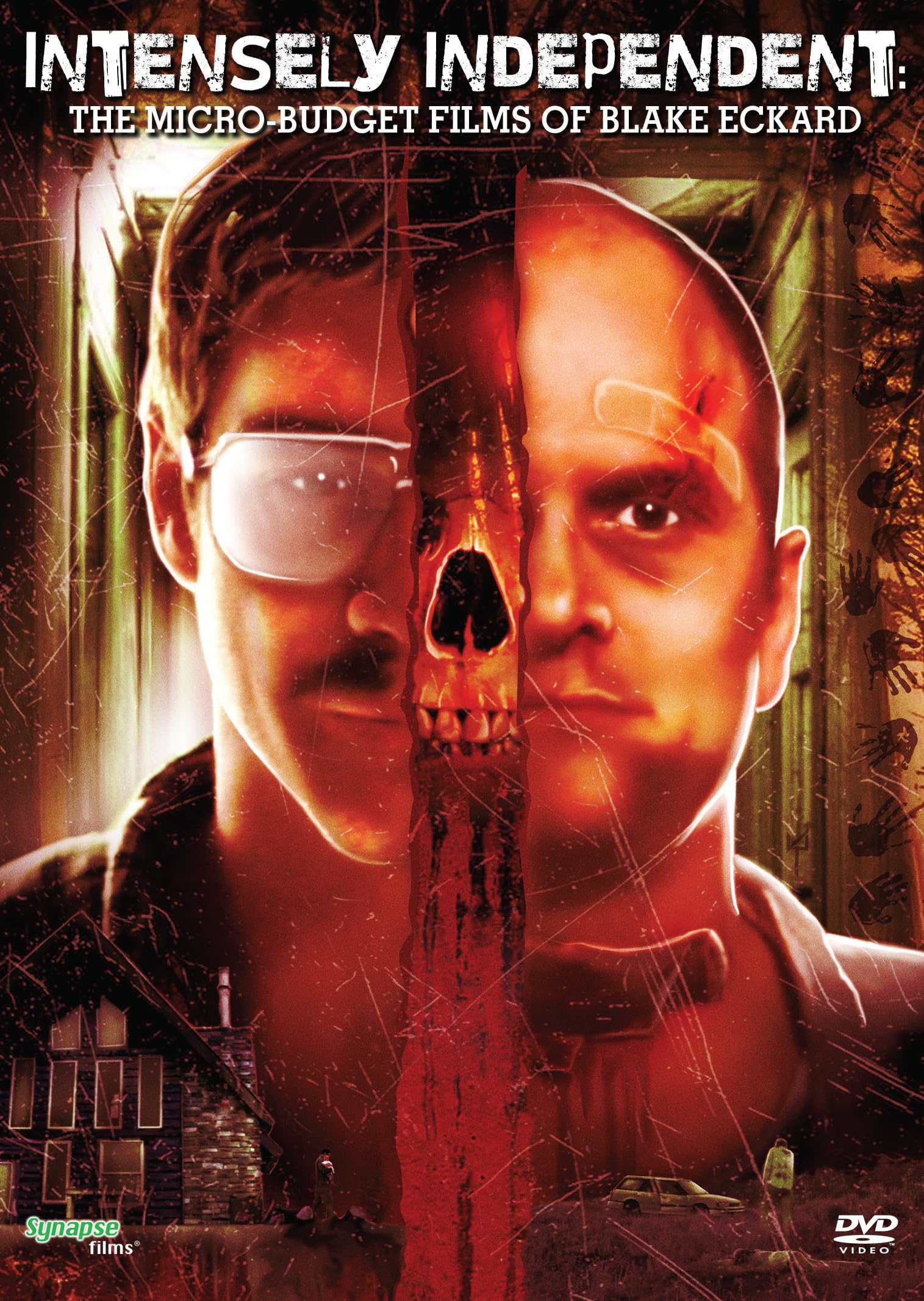
Blake Eckard’s films serve up an undiluted, deliriously potent drink. Not everyone will find it palatable. But if you are open to downing the cinematic equivalent of several shots of 190-proof Everclear, belly up to Intensely Independent’s bar and prepare for intoxication.
By
Cliff Froehlich
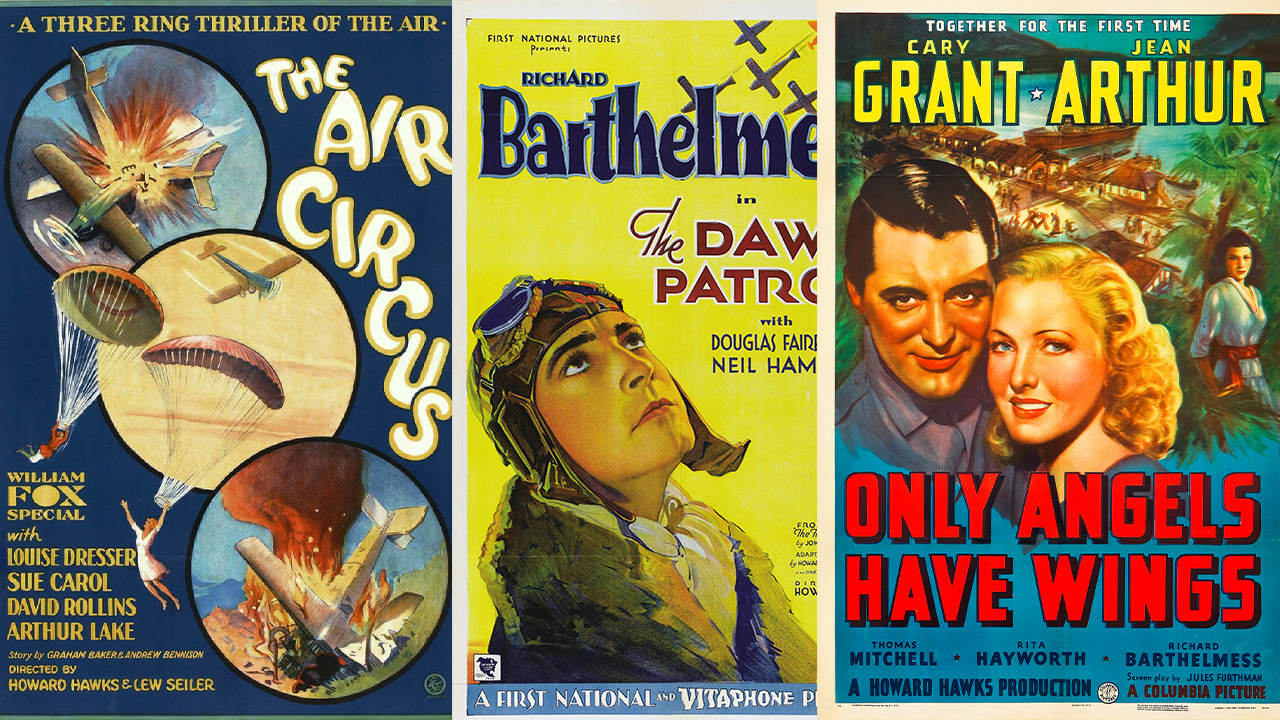
Flight, with its intoxicating blend of graceful beauty and adrenalizing daredevilry, was custom-made for cinema, which exults in movement—they are called motion pictures—and delights in vicariously transporting audiences to seemingly unreachable places.
By
Lana Stein
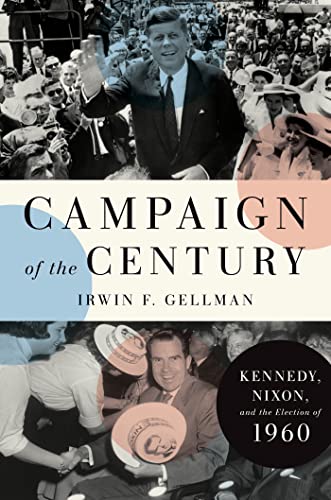
To Irwin F. Gellman, Nixon deserved higher marks for the operation and substance of his campaign. He sees Kennedy as more expedient as well as superficially more attractive. However, somehow, this volume does not capture the excitement of a very close contest nor how each candidate tried to increase his support.
By
Lana Stein
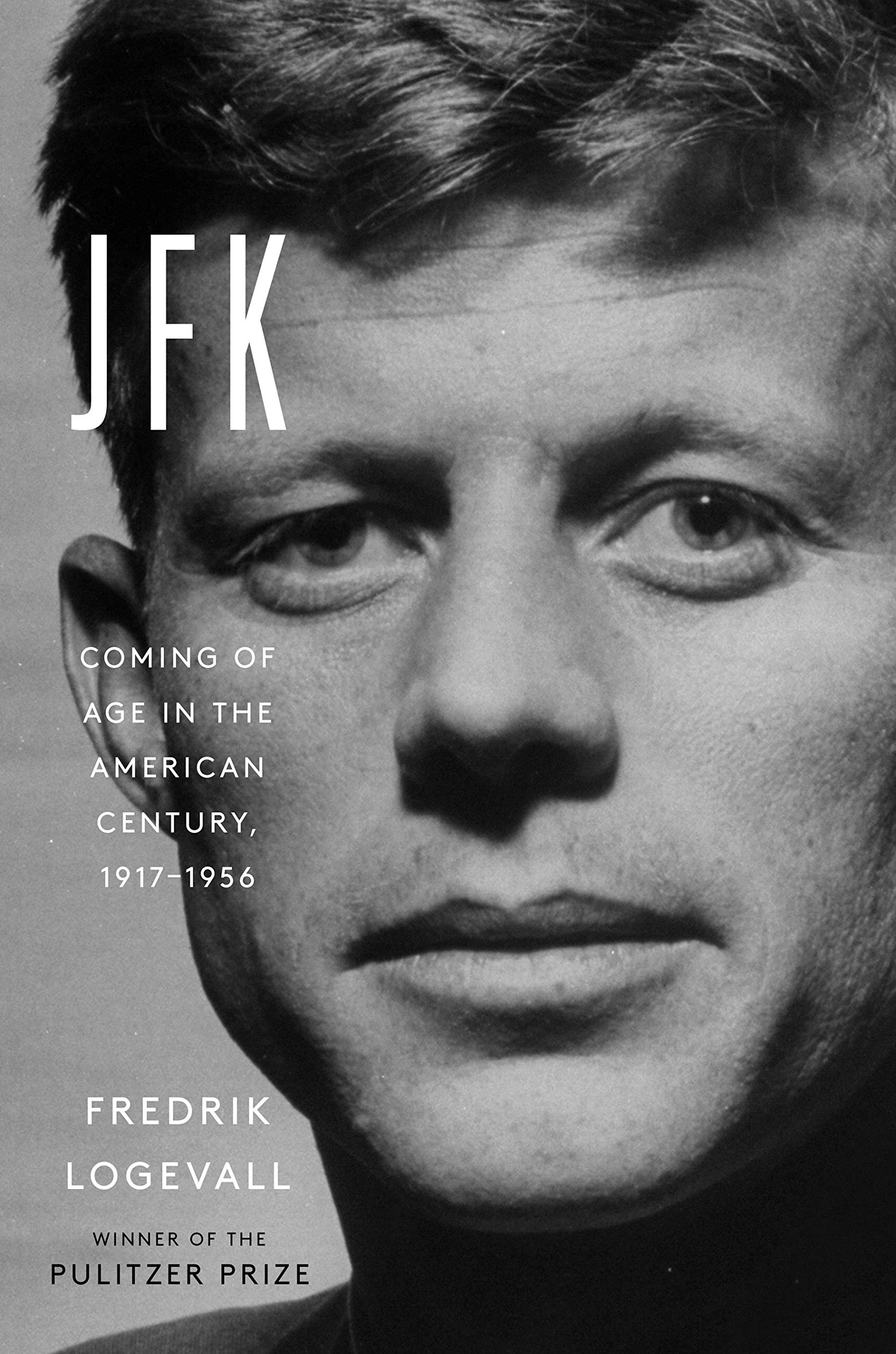
John F. Kennedy was a twentieth-century man and a twentieth-century politician but he seemed like fresh air and change because of his youth and verve. Logevall’s biography adds to the literature that students and history buffs can use to judge for themselves.
By
Lana Stein
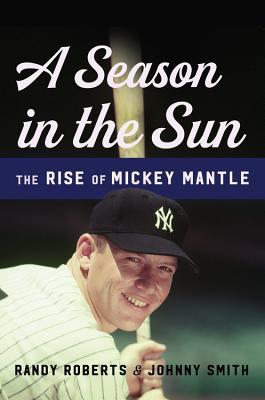
All in all, Roberts and Smith have offered us popular, rather than scholarly, history. Reading about Mantle and the Yankees is a pleasant exercise for anyone who likes baseball, and particularly for those who enjoyed some of those 1950s seasons.
By
Lana Stein
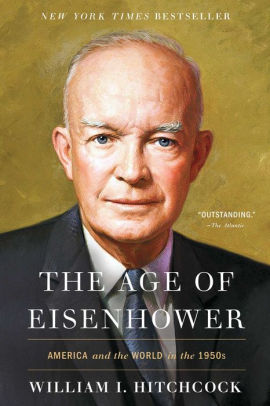
Hitchcock’s biography imparts a great deal of information about Ike and his times, enough so that the reader can make his or her own judgment about his career. One of the work’s weaknesses is that it does not set Eisenhower’s presidential choices within the context of the times, namely public opinion.
By
Cliff Froehlich
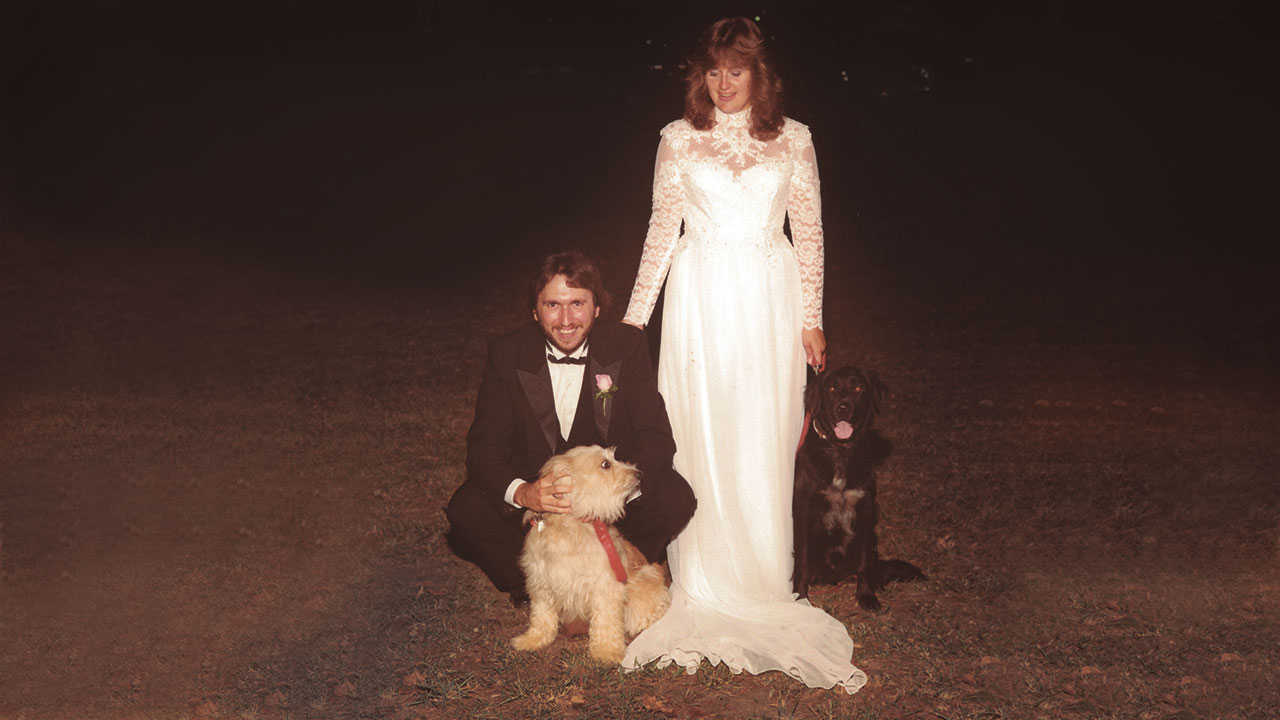
Shuffling through the vaccination and microchip records, reading the myriad names, I sometimes smile with nostalgic fondness, but more often my eyes mist as I am reminded of the multitudes we have loved but lost.
By
Cliff Froehlich
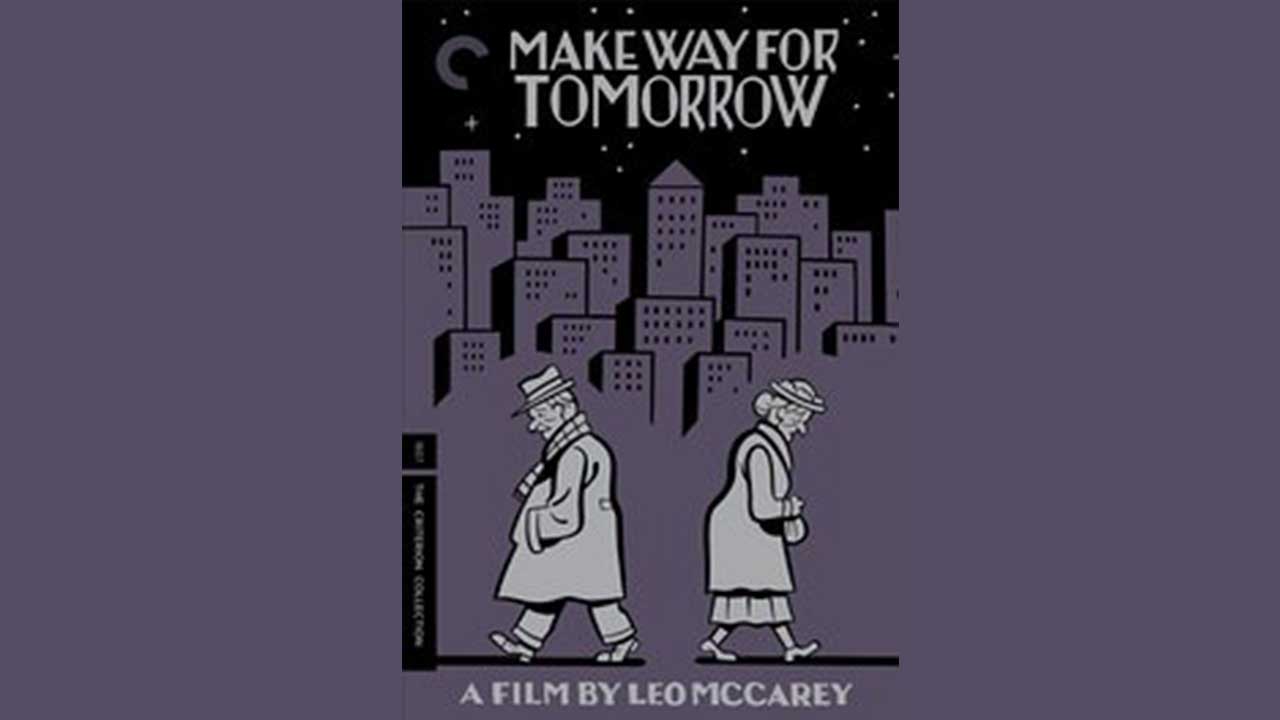
No one—in either real or reel life—wants to confront the difficulties of aging, the imminence of dying. The point is best proved by Leo McCarey’s glorious Make Way for Tomorrow (1937), the most unbearably moving and resolutely unsparing work Hollywood has ever made about the elderly.
By
Lana Stein
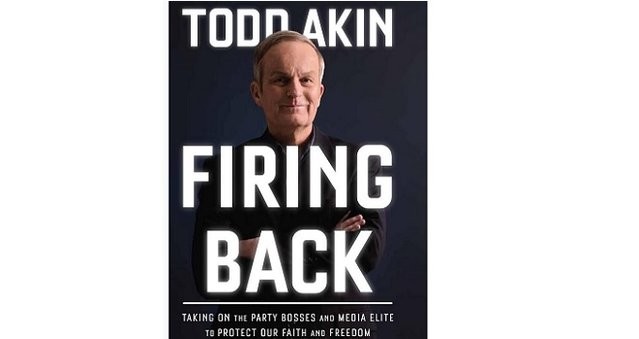
"What is important in this volume is not necessarily Akin’s history of his career. Rather the book illustrates the key characteristics of many in the Christian right who make a difference at the ballot box. When there is such fundamental belief in certain tenets, political and societal division is inevitable and gridlock prevails."
By
Cliff Froehlich
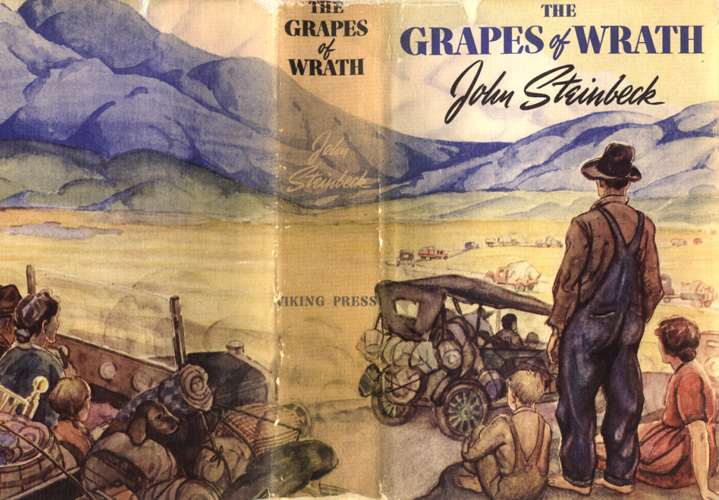
The Joads and their fellow Oakies may be today's Orange County conservatives, but the labor struggles and political tensions made real in the pages of Steinbeck's most famous book resonate 75 years later, and counting.