Streaming Killed More Than Just Music
To find what you sought was an object earned. There was no “file” piped through the internet.
To find what you sought was an object earned. There was no “file” piped through the internet.
Art Spiegelman, the force behind both Wacky Packages and the Pulitzer Prize-winning “Maus,” is that rare artist who knows great art may disregard the precision brush strokes of attempting “the masterpiece.”
“The Mercy Seat” is a five-minute tour of a death-row inmate’s dirge and final thoughts before death by electric chair pits an ancient Old Testament object against New Testament teachings, turns everyday objects into hallucinations, and laughs at the idea of knowing truth from falsehood, or justice from mercy, when faced with death.
Given several decades, money, and a certain angle on history perhaps planned cities can and do work on some level, and for certain people. The problem with politicians’ well-laid plans is that they rarely work for anyone but the well-off.
“Dawn of the Dead” turns life and death upside down. Life is a stress-soaked struggle to survive, while death is a lurching, subconscious walk through old, submerged impulses until you die again—by firearm, machete, or blunt force. And why do people refuse to die? Because they want to go shopping.
A painting cannot give us back days of fall lost. But if we gaze at a painting capable of imparting its own unique sensations, we can at least travel to a different place of mind, a consciousness that might move us forward or even shake us to action.
I heard my most memorable account of Joseph Stalin while sitting in the pews of a Presbyterian church. I was near late adolescence, young enough to be bored by a church service but old enough to take intermittent interest.
Roadkill resides at the end of the spectrum where our adoration for animals ends and nuisance begins.
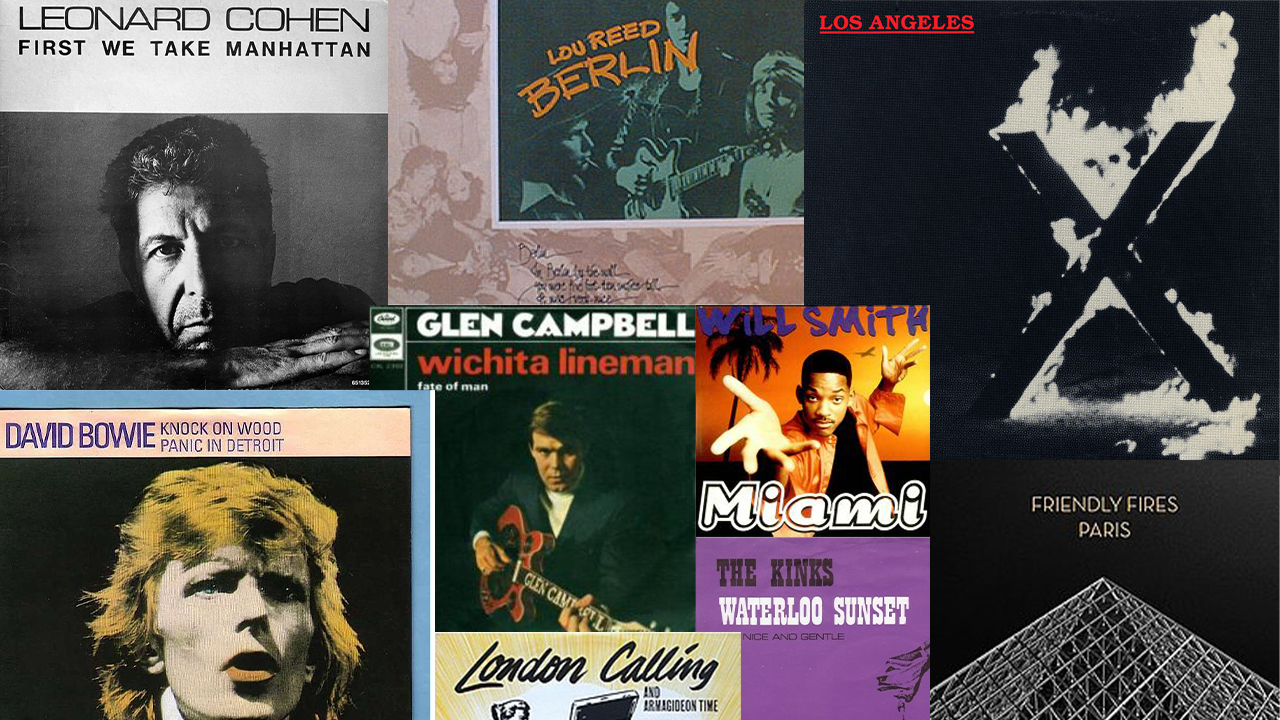
Songs and music give tangible form to the invisible by making the invisible audible, and therefore visible in our hearts and minds. Listening to music, we travel through the human soul. Hopefully, the following songs and music give ample space only to some of the best songs of all time.
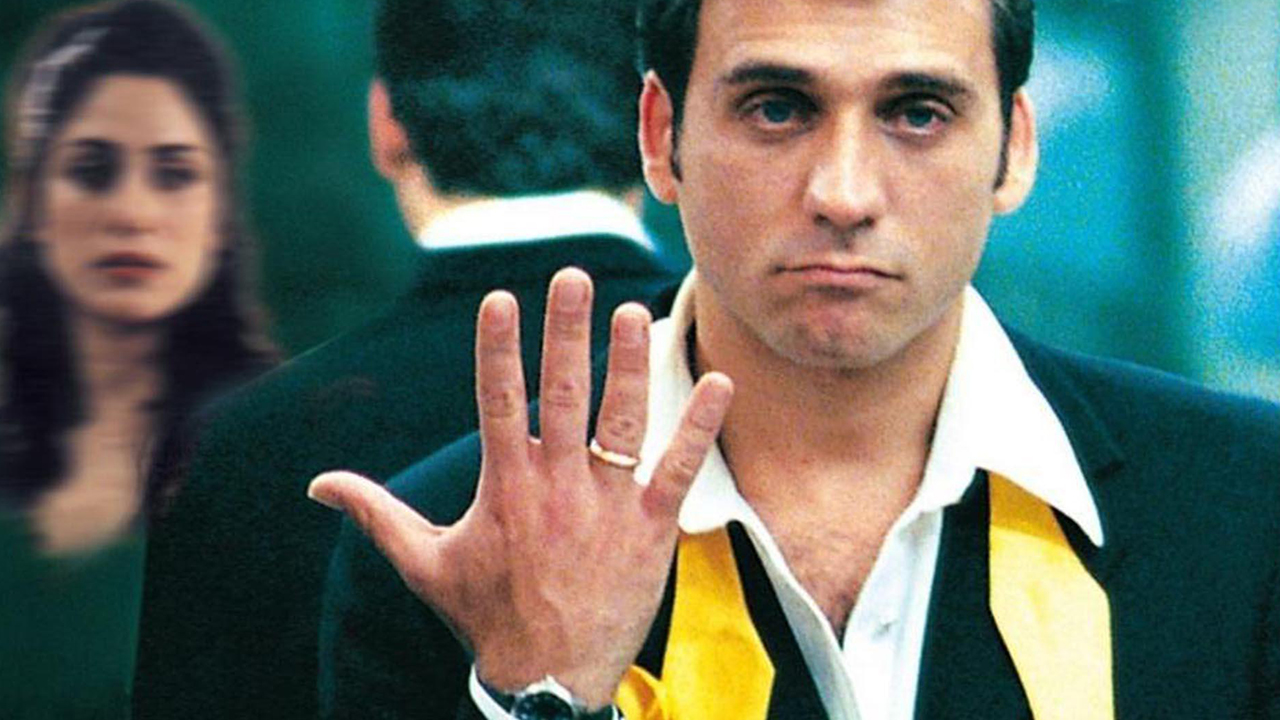
Late Marriage is one of the few films concerning marriage bold enough to suggest that our modern insistence on personal fulfillment in romance is the double-edged sword that brings two people together but can also poison them with expectations that tear romance apart. And it is one of the more honest films about marriage in its open, forthright acknowledgment that the institution—and in this film, marriage is most certainly an institution—involves far more than the forces and desires of two people.
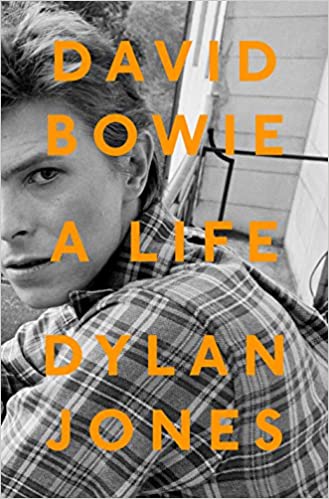
From David Bowie’s cousin to his childhood friends, his managers, musical collaborators, girlfriends, writers such as novelist Hanif Kureishi, and extraneous celebrities to the last word of the midwife present at Bowie’s birth, A Life leaves almost no stone unturned, no corner empty, and no speculation left unsaid.
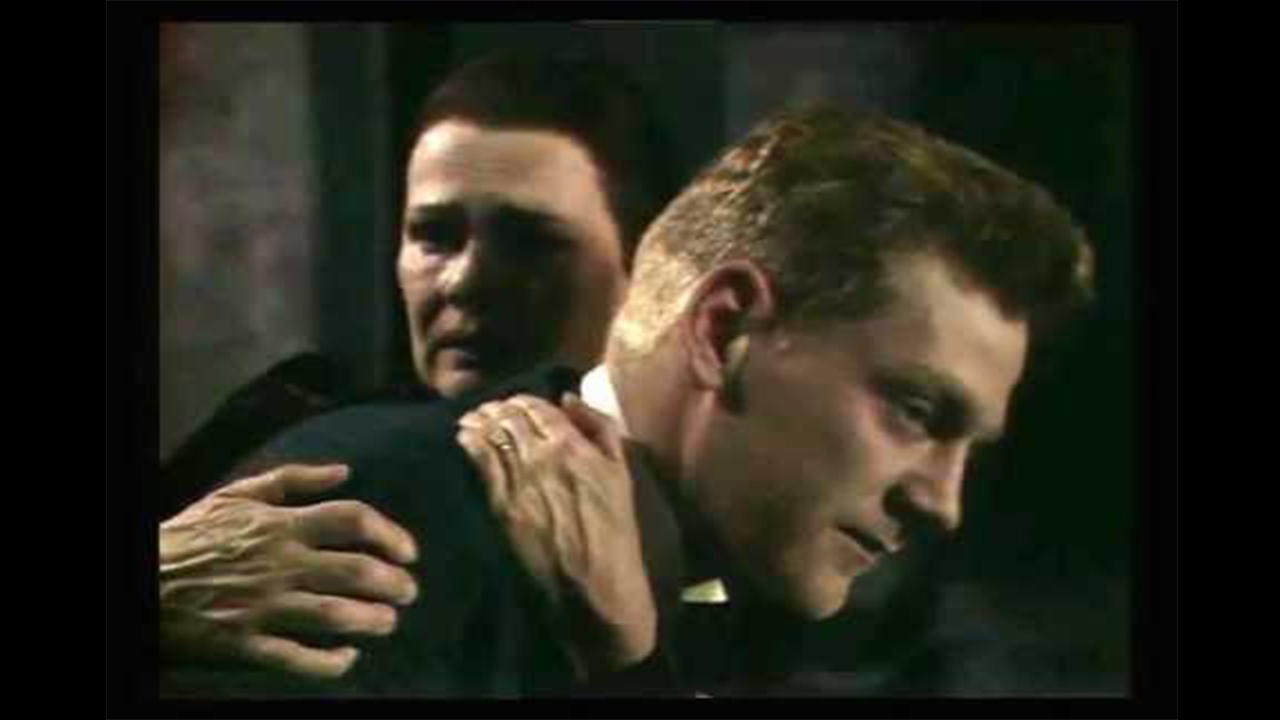
Ghosts is a drama of many themes. At its core, though, is the idea of “sickness” as the inexorable tide we push for, or against. It is the one drama—dare it be said, the only?—wherein “sickness” becomes the widest possible metaphor not just for disease, but inherited social convention, accepted ideology, and the crucible of family without which we cannot survive, but in which we can also decay and die.