Uncategorized

First Jobs

Lewis Hine, child coal miners, West Virginia, 1908. Library of Congress Prints and Photographs Division, Records of the National Child Labor Committee     One of my grandfather’s first jobs was child coal miner, family lore says. My other grandfather, also born in the 1880s, would have labored on the…

Spit Take

So how does such a helpful substance wind up a sign of disgust and uncouth manners? There are few signs of utter disdain as eloquent as spitting in someone’s face, and there is an energy to the act, an explosive momentum that must be quite satisfying. Even men of the greatest refinement were once allowed to use spittoons, and they remain next to the seats of the U.S. Supreme Court justices for tradition’s sake.

Stuck on You

Gum was once used by the old to condemn bad manners and the young to rebel against a mannered society. Now manners are a lost cause—and gum is doing real harm. It is just one more example of how we try too hard, whether to have fun or to make a buck, and then the things that once charmed us with their whimsy end up destroying another chunk of our world.

The Flame and the Flower…Today

In novels, romance is all valleys and peaks: a woman who is miserable, afraid, and fleeing for her life (or at least her virtue) is rescued with a single strong, sweeping gesture and set atop a pedestal. You have to be really miserable first, for it to work. Nobody tells you that. Girls used to walk around waiting to be impressed, but the stakes were always too low—and who wants to be miserable just to be happy?

The Kids Stole Dystopia!

We have, in short, the perfect conditions for dystopian literature to thrive. But dystopia, Lepore points out, is increasingly unhealthy. Once a form of resistance, it has become “a fiction of submission, the fiction of an untrusting, lonely and sullen twenty-first century…. It cannot imagine a better future, and it doesn’t ask anyone to bother to make one.”

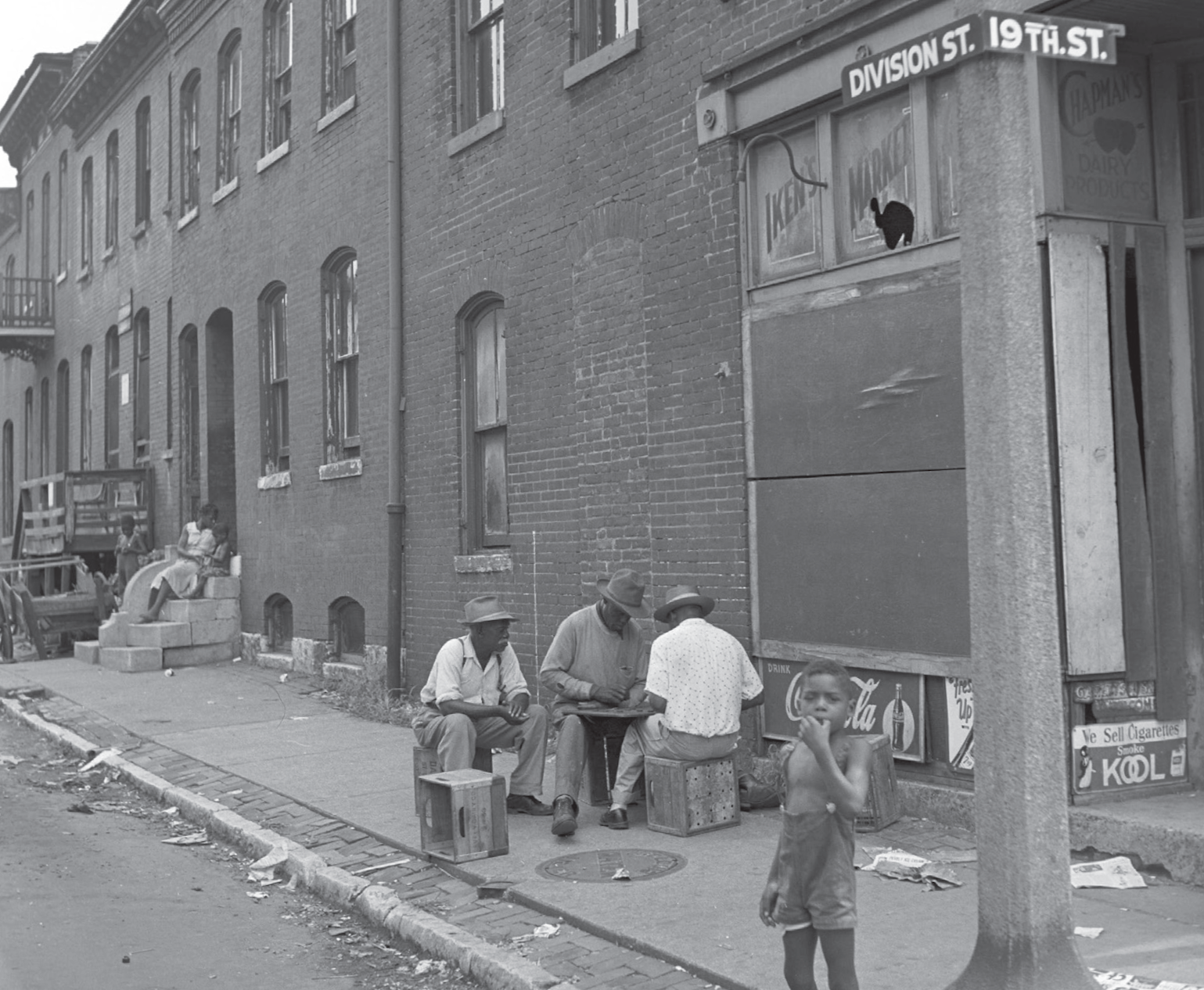
Introduction: 19th and Division, 1954

The illusion conjured by modern segregation is that segregation is a totalized reality, a natural and normal state of affairs. It is only by the close visual and historical engagement with material sites of segregation as palimpsests, in the manner this volume models, that the precariousness of the segregationist project in St. Louis can be discovered.

Memorials on the Move

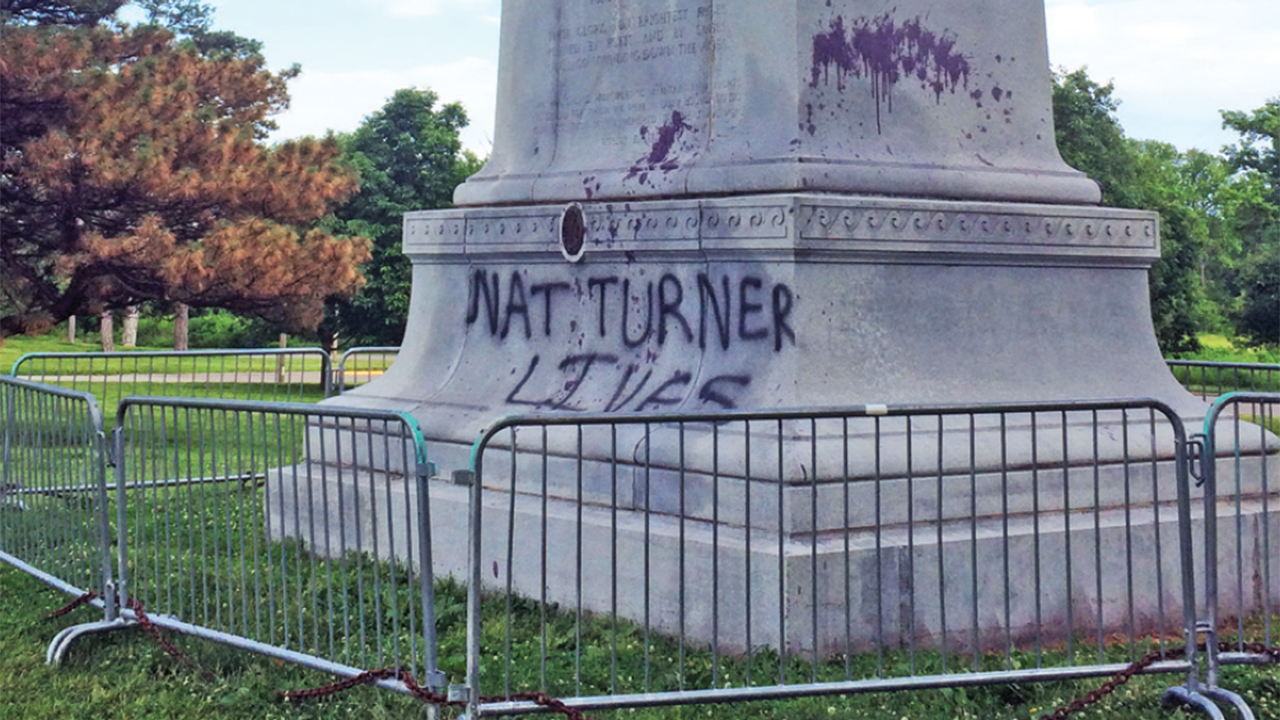
The controversy surrounding the Confederate Memorial’s June 2017 removal from Forest Park once again placed St. Louis squarely within a movement that encompassed dozens of communities around the nation. As these disparate outcomes demonstrate, such campaigns manifested not only as binary debates over whether contested monuments should remain visible, but also where they might properly be located and how they might be repurposed to convey historical lessons about the relationship between symbolic landscapes and larger systems of racial oppression.

Skip to content