Prejudice Is Natural
But why is race the dividing line?
But why is race the dividing line?
What we need desperately from pop music and rap artists, and what is in short supply now, is not rivalry for its own sake and spectacle, but a sense that our favorite songs of the future might have something immediate to say beyond the context of two individual artists.
Given David Holthouse’s quest in ‘Sasquatch,’ he himself is the subject of one of my old, scarcely believable memories. This memory is not potent enough to send me on an investigation worthy of a documentary series, but the coincidence spurs me at least to commit it to writing.
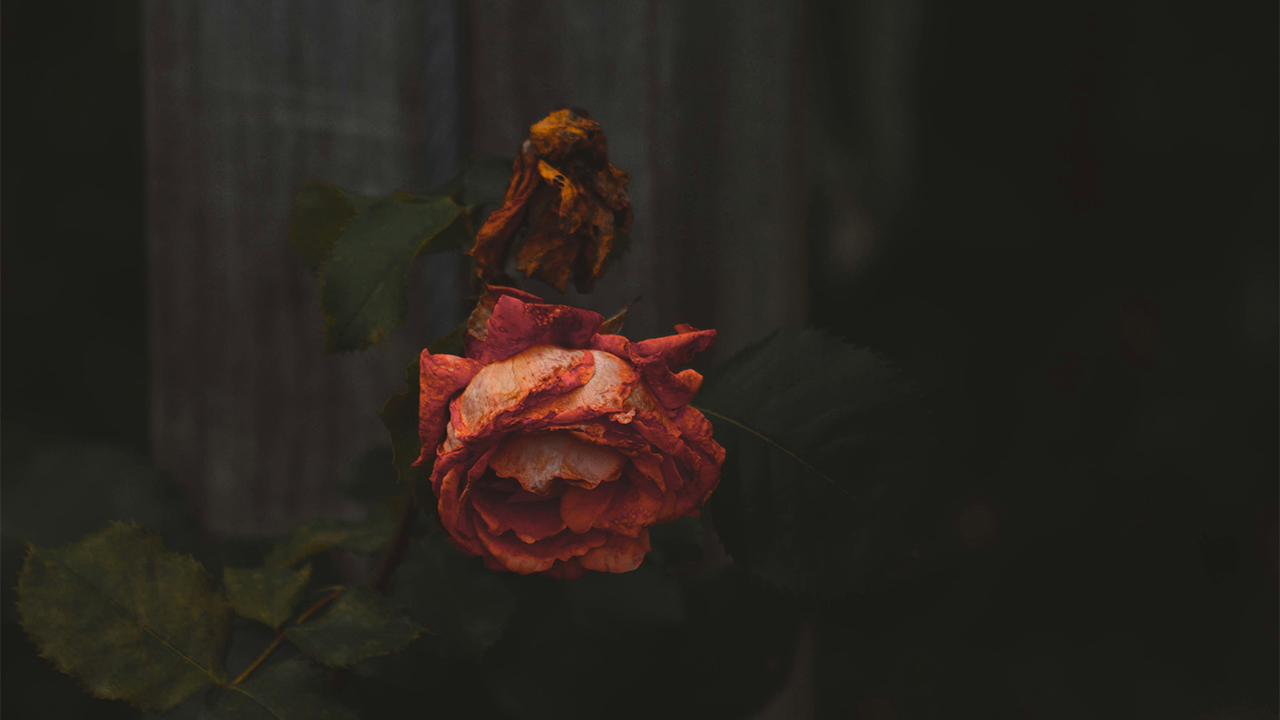
Hope changes form as we age. We are no longer hoping for new things or adventures or lovers or careers. We are not “living for” any particular cause or project. We are simply living. Hope is now a compact with the universe: a resolve to keep trying, keep giving, keep reaching out. So when the world tells us it would rather we die already, that we are about to become a great deal of bother, why would we not bow out gracefully?
I wrote this little memoir in the spirit of a Cupid, hoping someone out there hears me and tries this out and buys some lonely person who looks like they can really cook their groceries and they cook you dinner and in fact they can really cook well. Dinner together is delicious, and you take it from there, hopefully, expectantly, both of you taking your chances on love and food.
The three-martini lunch, once standard, turned scandalous in the seventies, hastily replaced by light beer and wine coolers. Then came a defiant resurgence of glam cocktails and cigar bars, followed by a wave of sober-curious shaming....
Rodin, Camille Claudel, a free-spirited dancer named Isadora Duncan, nineteen-year-old Jean Cocteau, the painter Henri Matisse, and Rainer Maria Rilke--all housemates at a shabby hotel in Paris. Imagine the drama.
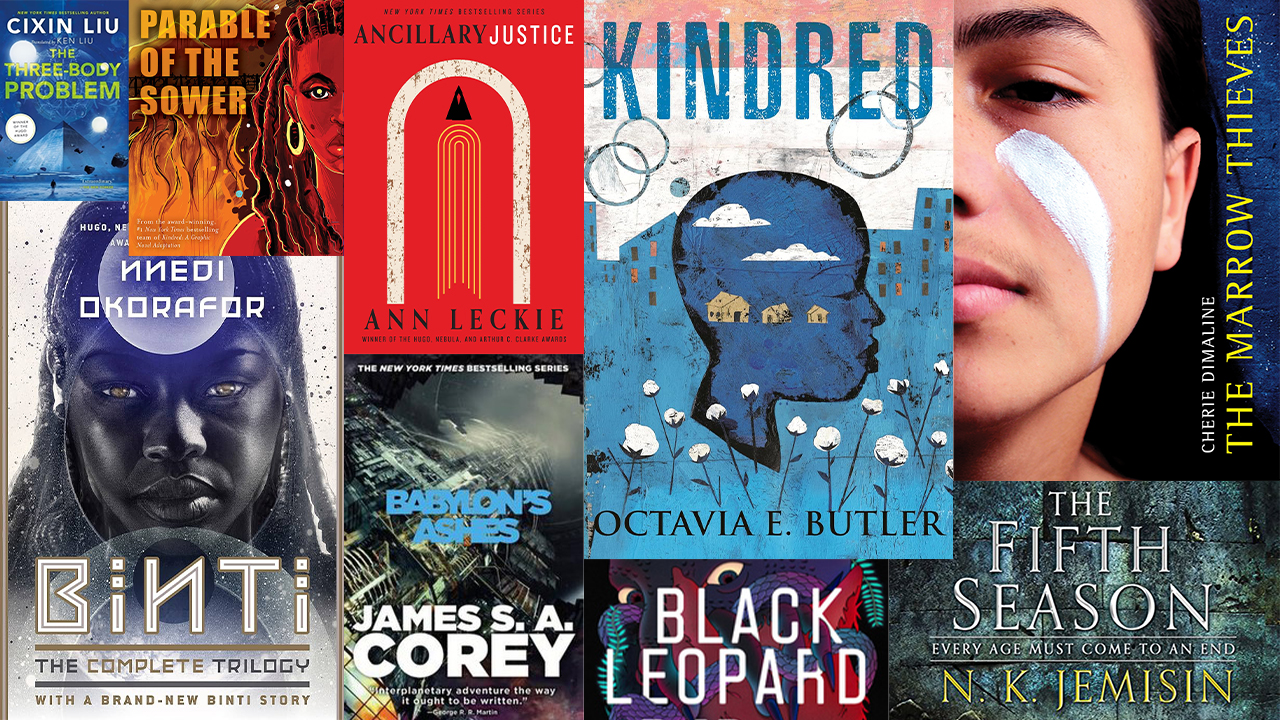
Given how busy we all are, particularly as the pandemic recedes, perhaps we should thank these lists (and their makers) for not wasting our time or abusing our goodwill, but instead helping us hack our way through that ever-growing thicket of anime, books, films, podcasts, manga, radio shows, stage plays, television series, video games, and the endless number of other cultural productions we feel honor-bound to track despite this impulse being a forever-frustrated wish that, to switch metaphors, cultural capital’s always-hungry maw ensures will never be satisfied.
That tiny copper disc has become irrelevant, an annoyance, yet one with a rich history. Does it still have a point to make?
Go look for soulmates in Paris, as Martha Gellhorn did. Loosen lifelong inhibitions in Tahiti. Retire in Mexico.