Arts & Letters

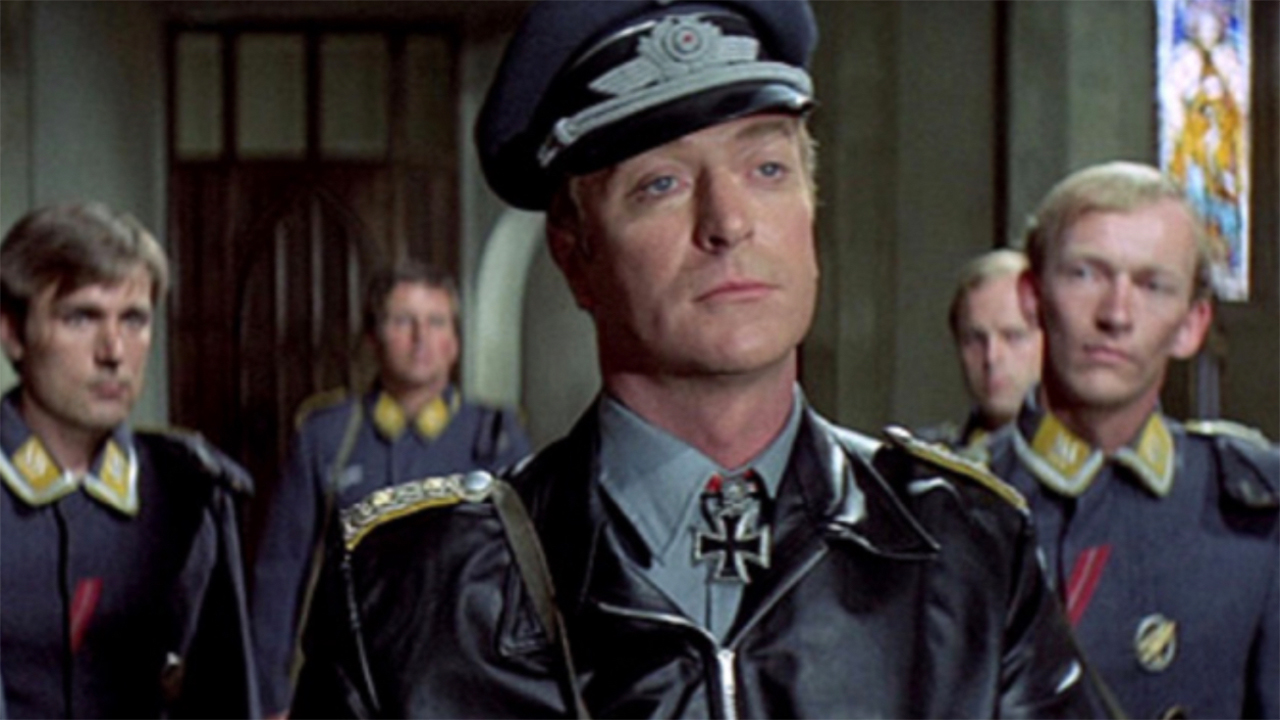
Jack Higgins, Good Germans, and the Problem of Sympathy in Fiction

“Sympathy” in narrative usually means something more like “complex interest” than “pity.” The goal is (often but not always) to make characters as human as possible, within constraints of form, so audiences will find them meaningful. This requires treating characters with respect, at least to the point of trying to understand them, even if they are crooks, sadists, torturers, murderers, or Nazis. But if a narrative dramatizes very well, it risks justifying bad people or making us feel we “understand” or “identify with” them. This too is sometimes called “sympathy”—though it is more like empathy—for the devil.

Is It Still Snowing Outside, Ari?

Creative writing programs in universities often host visiting writers and poets for public readings, student manuscript consultations, and class visits. As an undergraduate I organized the visit of Gwendolyn Brooks (and her husband, Henry Blakely, Jr., who demanded to know what poetry I, a mere proser, was working on). As…

“We Just Changed, Got a Brand-New Funky President”¹: Teacher Shirley Chisholm Takes the Nation to School in 1972

Reading Shirley Chisholm’s 1973 book “The Good Fight” was something of a revelation for my students, as it offered not just an insider’s view of Black political thinking and organizing in the early 1970s but also a look at how a major institution like the Democratic Party operates and how difficult it is to mount what was in Chisholm’s case a true insurgent candidacy.

Miles Davis, Style Beyond Style

Miles Davis no longer belongs to his family. He belongs to the world and the family has no say in how the world wishes to treat him, how each new generation decides it wishes to understand him. This little speech had no effect. I was naïve to think it would.

Touchstone Texts: American Argument

American Argument provides historical depth in our consideration of how Blacks and Whites came together to enact the ritual of conversing across racial lines in the hope of better understanding each other. But it is remarkable how well it still speaks to us today, as aspects of that conversation have not changed. 

Skip to content