The Art of Interrupting
To decide whether interrupting is rude, you cannot generalize. You need to know the style (verbal and cognitive) of everyone in the conversation, as well as its tone and its level of difficulty.
To decide whether interrupting is rude, you cannot generalize. You need to know the style (verbal and cognitive) of everyone in the conversation, as well as its tone and its level of difficulty.
The Oscars have figured out how to make this long, boring show interesting: Have the participants assault each other.
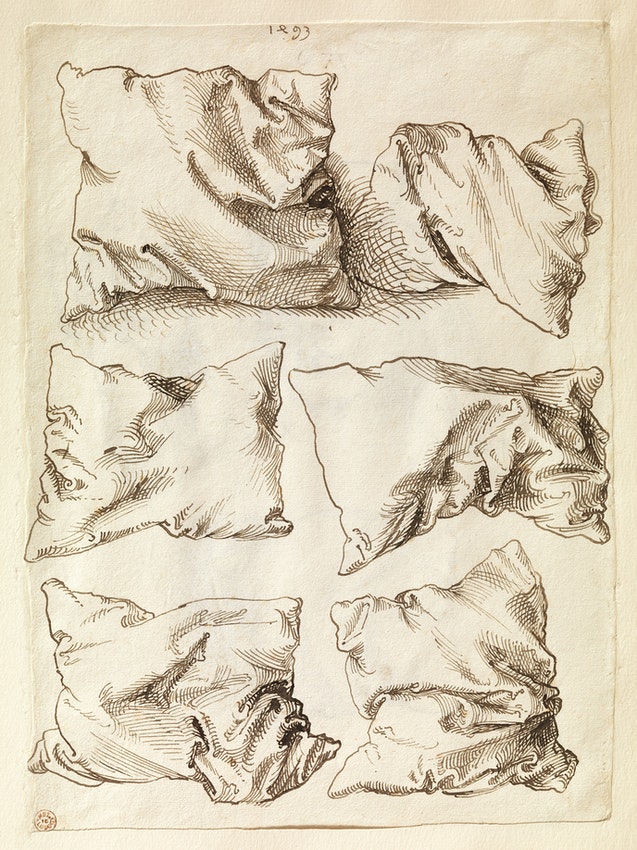
To be pillowed, the Urban Dictionary tells us, is to be so exhausted you feel giddy, a little drunk.
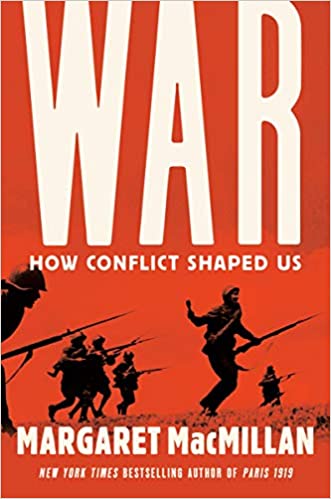
The true profit in War is MacMillan’s subdued discussion of how war has disrupted ideas such as history, peace, and reason. The subtitle, however, suggests it will be something different.
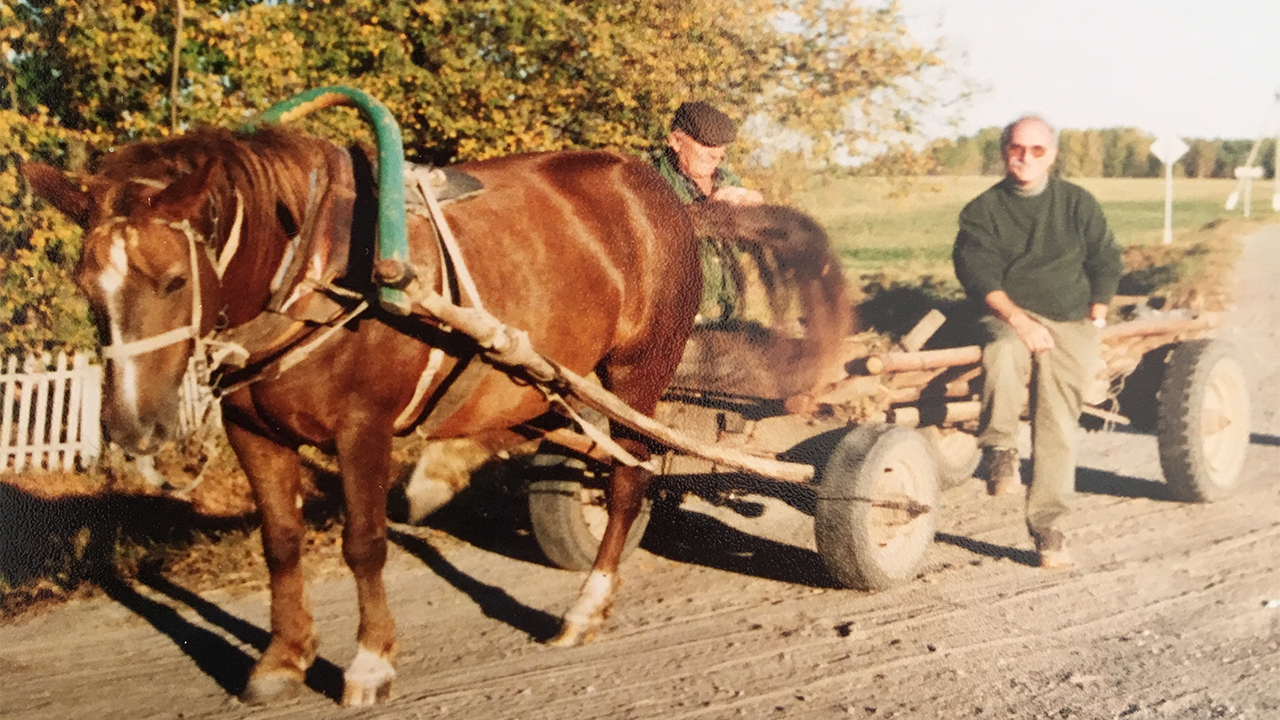
Belarus finally declared independence in 1990 but it was a republic ruled by Vladimir Putin’s puppet president, Alexander Lukashenko—the last of the old-school ironfisted dictators, whose reign continues to this day. For me that day in 2002 was the beginning of a mashup of Fear and Loathing in Minsk meets Planes, Trains and Oxcarts as I got a guided tour of the no man’s land just across the Pripyat River from the decaying, hulking skeleton of the Chernobyl Reactor Dome.
There is much I never knew in Index, "A History of the, whose subhead promises “A Bookish Adventure from Medieval Manuscripts to the Digital Age.” First, I never realized how jokey indexes could be, or how easily they could pop an overblown ego.
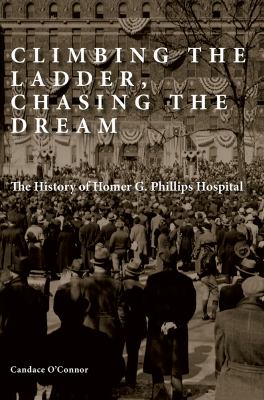
The story reminds readers of the rich and important history of Black activism that has shaped Black St. Louis’s fight for equal and just treatment in healthcare. Yet, more contextualization of the capacious realities of anti-Black racism, a deeper consideration of state and federal policies, a foray into newspapers and archives outside of St. Louis and Missouri, and conversations with other Black medical historians could have made the book something more than a journalistic paean to the doctors and nurses that roamed Homer G. Phillips Hospital.
The success of O’Connor’s book comes not just from the gripping tales of St. Louis politics, with its palpable racial overtones, but from the personal recollections of the hospital’s staff and community leaders, who viewed the hospital with awe and reverence.
Some of the Ukrainians fled to other parts of their own country. Keep going, I urged them mentally. You are not safe yet. But where is safe?
In her book "The Helpers," Kathy Gilsinan has asked questions most reporters do not think to bother with, gathering up tiny details and using the most telling to bring these people to life. You feel you know them, not just casually but the way you know longtime coworkers or neighbors.