Homicidal Pigs, Perverted Roosters, and a Hapless She-Ass
How could we ever have believed animals capable of cold-bloodedly plotting a crime, when we have never credited them with possessing the simplest emotions?
How could we ever have believed animals capable of cold-bloodedly plotting a crime, when we have never credited them with possessing the simplest emotions?
Her physical vitality seemed to embody hope for the future while her cheerful sweetness salved fears associated with children and families in a decade when 25 percent of American men were out of work, and husbands and fathers who could not cope with the strain of unemployment and failure sometimes just walked away.
When Ukraine came to us for help, we gave the sort of help we are good at giving: stuff. The Ukrainians already have what we need: the courage of convictions. The kind of patriotism that is not jingoistic, yet is fierce enough to give their lives purpose. They are defending real freedom: the right to live outside a despot’s reach.
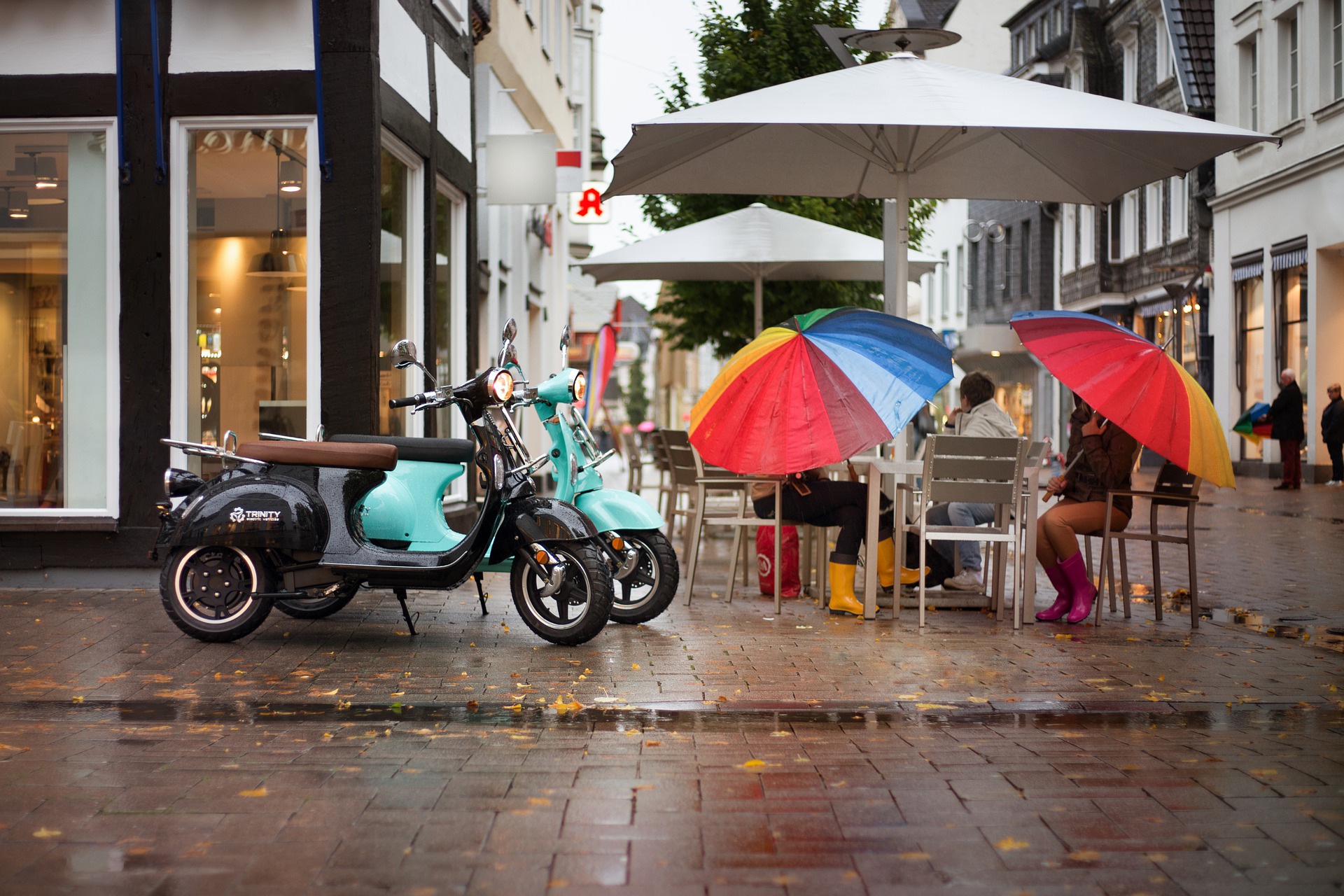
Rainy days are pensive, quiet, thoughtful. They are made for us introverts, and we brew a pot of tea and settle happily into an armchair with a good book while the extroverts paw the ground, check their weather app, pace to and from the window.
Deep silence is rare; even our thoughts can be scattered and loud. On a hike through an old pine forest to the top of a bluff, a friend and I came upon a sign nailed to a tree. Only one word was scrawled: “Listen.” And so we stopped and listened, and the hush gradually filled with tiny sounds far more interesting than my thoughts.
So how does such a helpful substance wind up a sign of disgust and uncouth manners? There are few signs of utter disdain as eloquent as spitting in someone’s face, and there is an energy to the act, an explosive momentum that must be quite satisfying. Even men of the greatest refinement were once allowed to use spittoons, and they remain next to the seats of the U.S. Supreme Court justices for tradition’s sake.
Gum was once used by the old to condemn bad manners and the young to rebel against a mannered society. Now manners are a lost cause—and gum is doing real harm. It is just one more example of how we try too hard, whether to have fun or to make a buck, and then the things that once charmed us with their whimsy end up destroying another chunk of our world.

In novels, romance is all valleys and peaks: a woman who is miserable, afraid, and fleeing for her life (or at least her virtue) is rescued with a single strong, sweeping gesture and set atop a pedestal. You have to be really miserable first, for it to work. Nobody tells you that. Girls used to walk around waiting to be impressed, but the stakes were always too low—and who wants to be miserable just to be happy?
We need labels—for consistent insurance reimbursement, if nothing else—and we need ways to stop thinking in terms of labels. But we get so trapped by territoriality and logistics that we never manage to integrate approaches; we insist on wiping one out in favor of the other—a tendency that does deserve a pathologizing diagnosis.
We have, in short, the perfect conditions for dystopian literature to thrive. But dystopia, Lepore points out, is increasingly unhealthy. Once a form of resistance, it has become “a fiction of submission, the fiction of an untrusting, lonely and sullen twenty-first century…. It cannot imagine a better future, and it doesn’t ask anyone to bother to make one.”