Little Car, Big Impact

In the middle of her life, fortunes falling, my mother bought a little car with the beauty of a well-made toy. It was economical, utilitarian, self-effacing, and anti-macho—all the things she needed or wanted at that point.

Long Red Monte Carlo

A lot of people love the feel and freedom of driving—certainly our culture celebrates those things—but those were outweighed for me by other factors, chief among them the astounding ease with which I can get lost.

Beetles for Sale

In the last thirty years when the majority of the world moved on from the little car, the dying Bug found a new life in Latin America. Mexicans embraced the car and in turn the Beetle not only found a new home, but also a new sense of identity.

“Automobiles are a useless nuisance”

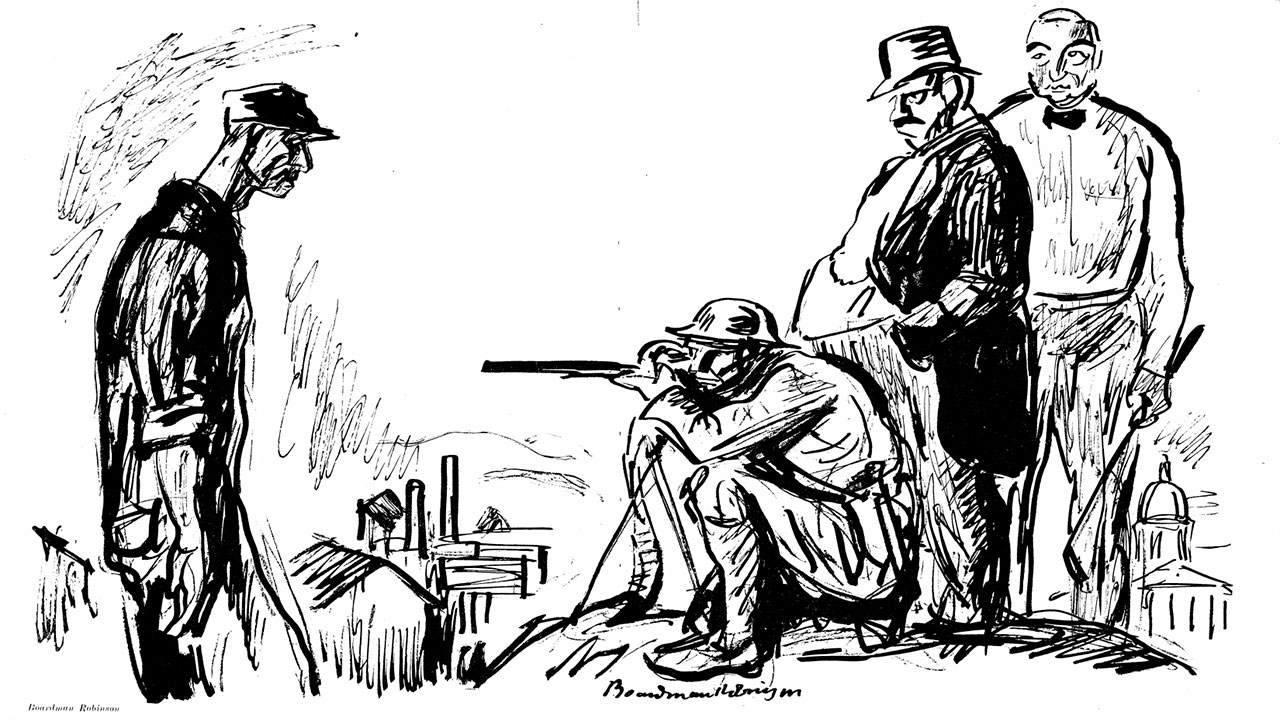
The Magnificent Ambersons is a novel that can—and should—be taken on its own terms. While progress in the novel is widely shorthanded as industrialization, it is specifically pegged to a single technology: the rise, and eventual supremacy, of the automobile.

Corvairs Do Not Exist Anymore—And It is a Good Thing

Nader showed how even in a deeply consumerist society, consumers were being taken for a ride.

On the Importance of Changing a Tire

The more I learned about cars, the more I saw through the random “help” that was offered, and the more I was empowered to step away, to handle things myself.

On Cars as Art

When Italian carmaker Enzo Ferrari declared the 1961 British Jaguar E-type sports car the most beautiful car ever made, it was a rare instance of a functional design object coming to be seen as a work of art. Thirty-five years later, Ferrari’s assessment was vindicated when the original Jaguar E-type was put on display in the Museum of Modern Art.

Who Killed the World?

How exactly the world was killed might be a mystery, but the who seems all-too-obvious: men. Men and their consuming hunger for more power and more speed.

E Pluribus, Pluribus

(Image: emailamyd from Pixabay) I have always found communities that withdraw from mainstream culture interesting and quaint—Amish, maybe, or Mennonite, or rainbow hippies. They all seemed similar: gentle folk who lived in ways I could admire without acceding to them. But now there are all sorts of these communities—fundamentalist Mormons;…

Skip to content