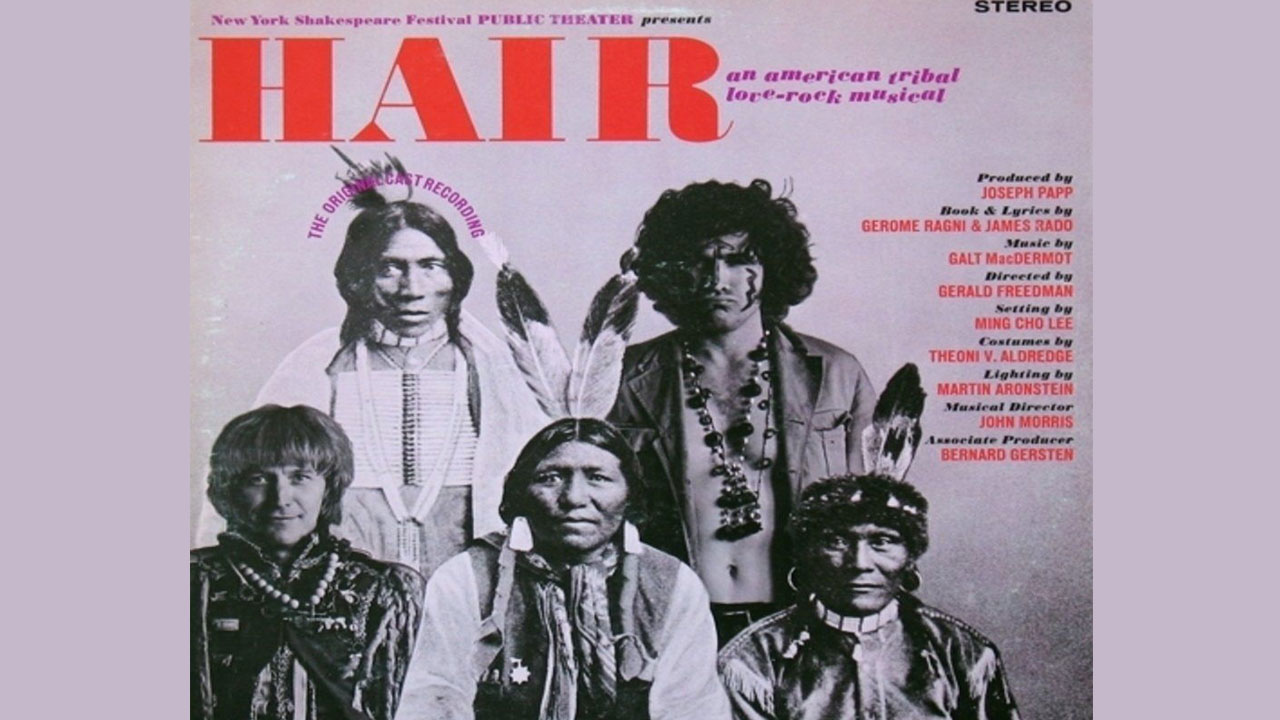
Remembering the American Tribal Love-Rock Musical Before It Got Old

For the overwhelmingly White, urban, middle-class Broadway theatregoers of the time, Hair was an invitation to spend some time with an expressive and racially diverse subset of American young people—this expedition to another America came at the price and from the safety of a duly purchased seat in a Broadway theatre.

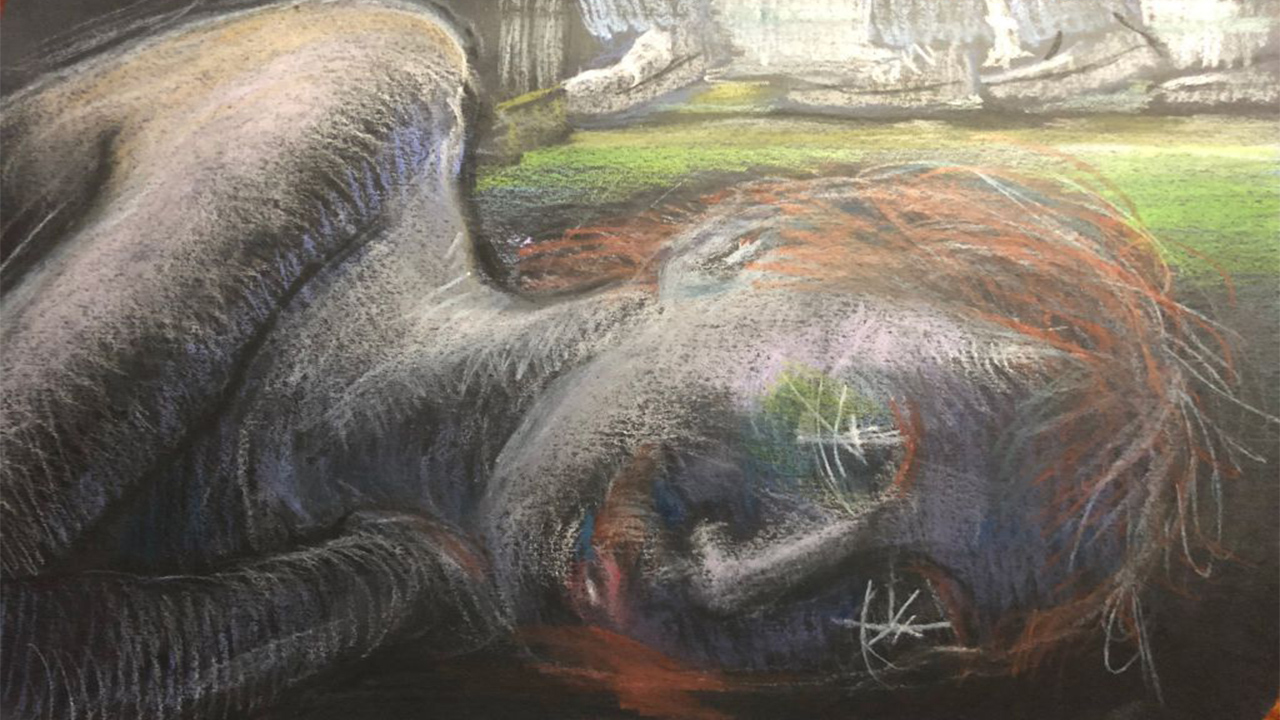
“For Anne Gregory”

The great Irish poet's ode to the perilous attraction of a young woman's hair.

How Mud Can Save Us

How did we become so averse, when mud was the stuff of creation? God scooped it up to sculpt himself a little Adam. In Jewish folklore, a golem is made the same way. A goddess made Gilgamesh a companion out of clay. The Egyptian god Khnum made children of the same stuff, then tucked them into their mother’s womb.

Spitting on Polish

As it happens, modern nail polish was inspired by the tough, glossy lacquer sprayed on cars. And the first nail polish was worn by men—Babylonian warriors were painting their nails green and black in 3200 BCE. Given the human propensity to find violence sexy, I suppose it was natural that women would eventually follow suit.

The Contagion Narrative—and What It Leaves Out

The threat is apocalyptic and terrifying, and then humanity is saved by triumphant scientists. Rather than think about nature as indifferent to us, we need to imagine an enemy. Rather than focus on public health and social inequity, we need an epic battle. Social justice does not play on the big screen or the small one.

Loose Canon: Can Classics Survive the Neo-Nazis?

Classics is hot—and not in a good way. Earlier this month, a leading historian of Rome, Dan-el Padilla Peralta, was featured in The New York Times Magazine accusing classicists of helping to invent the very construct of “Whiteness”—that slippery idea that means so much less than it seems to—and thus bolstering White supremacism. Even the phrase “Western civilization” is code, he says, because it implies that the only civilization that matters is White with Greco-Roman roots.

Time for an Imaginary Friend?

(Photo by Felix Montino via Flickr)     We are all going a wee bit crazy, and the latest remedy for social isolation is something called tulpamancy. The art of the invisible friend. Tulpamancy is defined as “the act of conjuring sentient beings,” dreaming up a person who will live…

The Disability Paradox

When I see someone whose body is twisted into an unfamiliar shape or cannot move as mine does, I often flinch, then try to hide the involuntary recoil. Afterward, I lie to myself, insisting that this is empathy. It is not. It is stark fear. Why? Because I am not sure I would have the same resilience. There is also a tinge of survivor’s guilt—I escaped their fate on what grounds, exactly?

Big Business Versus the Bees

(Photo by Gordon via Flickr)     In 1985, Bayer patented a synthetic insecticide that soon showed up in its garden products. Imidacloprid belonged to a new class of chemicals, neonicotinoids, neonics for short. They block neural receptors, killing an insect or, with milder exposure, causing tremors, convulsion, an inability…

The Complex Tragedy of Being Male and Vulnerable: Sorrow, Pity, Rage, and a Search for Meaning

In juvenile facilities, more than seven percent of residents reported, on a 2018 survey, being sexually victimized during the previous year. Four percent reported use of force or coercion, either by other youth or by staff. “They get away with it,” Bankston says, “because boys, and men, don’t tell. And because no one wants to know.”

Skip to content