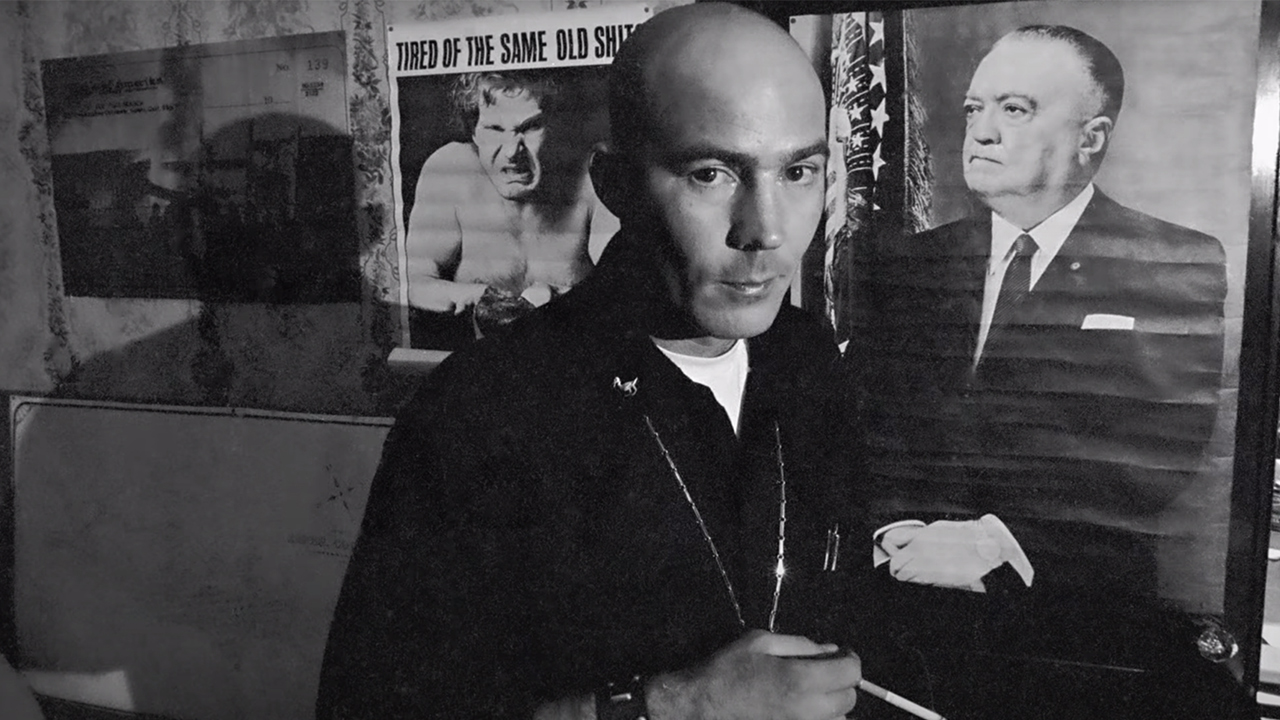
Freak Power: The Ballot or the Bomb is a brief portrait of a brilliant young writer, frustrated with his local and national governments, applying his beliefs to the practice of grassroots politics instead of keeping to the commentariat. For any young writers who wish to “write like Hunter S. Thompson,” or fans who love the Johnny Depp portrayal, the documentary will be instructive.

In almost any period in the past fifty years, Schottenheimer could have been cast as the “square” dad in a situation comedy. He was the quintessence of matter-of-factness, the earnest striver whose word was always good, but who would not have known the latest dance moves—or even the name of the latest dance. Marty Schottenheimer exhibited a strain of cheerful seriousness or serious good cheer, take your choice.
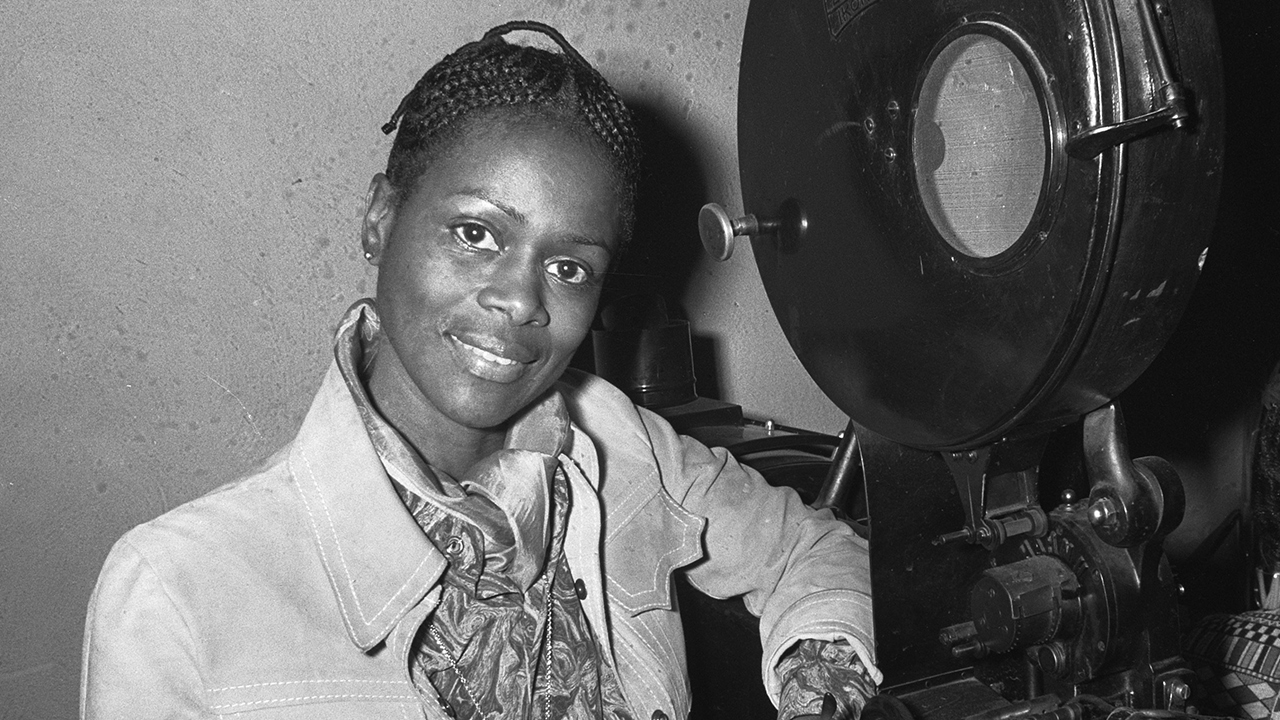
The woman who began her career as a fashion model for Ebony and Jet magazines, who married (and divorced) jazz trumpeter Miles Davis, and whose love of Black people, especially Black women, made her into an activist for most of her long, long life developed her craft so exactingly that she reigns as one of the greatest artists America has ever produced (or ever will produce).

Julia Sweig’s richly researched, extraordinarily detailed biography of Lady Bird’s term as First Lady is a substantial attempt to bring needed and deserved attention to the woman who was essential to Lyndon’s self-understanding and his ambition.
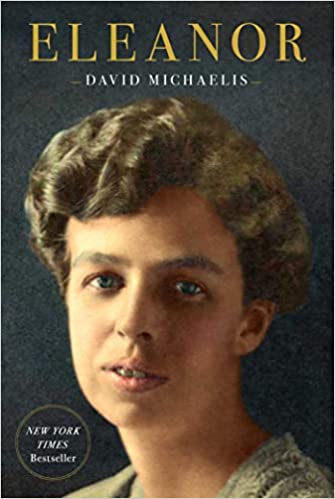
What I knew was the surface. But Eleanor, David Michaelis’s recent biography, let me step into her heart. Now I could imagine how she ached for her father’s company, how her relatives’ comments must have stung, how her school days charged her mind and set it in perpetual motion. How awkward it was for her to show tenderness, how desperately she craved it. How fully she became herself and what power that gave her.
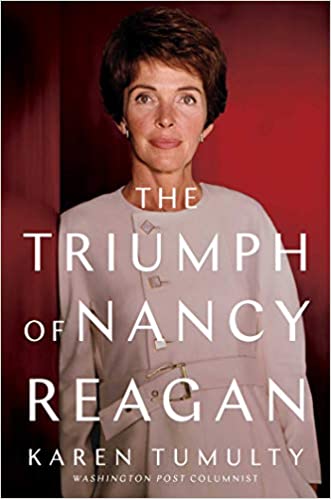
Washington Post columnist Karen Tumulty does a great service in her new book by taking us behind the public façade. The Triumph of Nancy Reagan is a detailed, insightful, and gossipy look at the wife of Ronald Reagan, one of our most consequential, yet controversial presidents.
We need to give each other rooms. Giving “space” can be necessary, but space also needs to be enclosed; to protect what lies within its walls.
These whips are called “disciplines” or “scourges.” Some are made of leather; his seems gentler, a coarse fine rope. It is the pale tan of wheat, which makes the bloodstain more prominent.
I suppose I should find women-with-guns refreshing. At least there is some power to it. But why did an industry spring up around pretending that women are something other than who we are? Is who we are that dull, that devoid of erotic appeal?