The Devil Wears Prada in St. Louis, Too
May 10, 2026
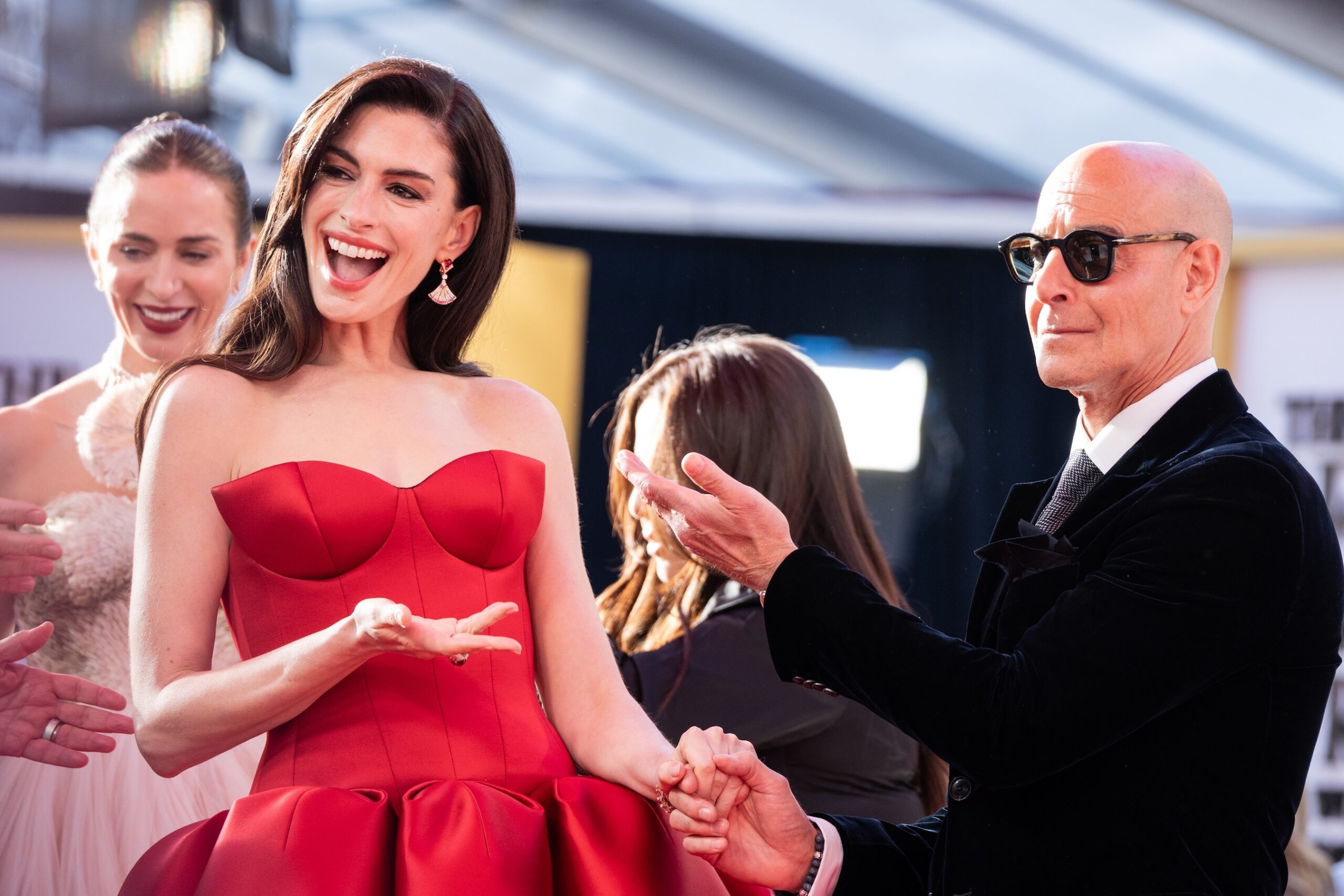
The following sentence just begs for snorts of derision, and I can imagine Stanley Tucci’s character rolling his eyes. But The Devil Wears Prada 2 parallels to the Midwestern magazine world.
Sure, our versions are inevitably smaller scale and far less sophisticated, less privy to talent, couture, exposure. Budgets and access make an insurmountable difference. Yet I once had a publisher who shared, in her own way, the intensity of Miranda Priestley, aka Anna Wintour.
Beauty mattered to our Miranda—the surfacey, shimmery sort, artful in a bold, decorative, high-style way St. Louis could only pretend to aspire to. Consumed by nuances of taste she had studied, observed, and made her own, she was literally pained by anything that fell short. Layouts were ripped apart just hours before deadline. Ugliness was an exasperation. Verbal evaluations were crisp and disparaging. Fashion shoots—or our pale imitation of them—were nightmares, because you were never sure if you were getting what she wanted. Often, you were not. Cover meetings made your palms sweat.
A handful of editors, art directors, and writers snuck away to see the first Devil Wears Prada just for catharsis. Instead, we emerged numb: our version was every bit as exacting, demanding, nervewracking as the New York icon. Disappointed not to feel better after our invidious comparison, we went out for a booze-soaked commiserative dinner.
This time round, though, I am twenty years older, free of that job and almost—almost—nostalgic for it. I understand more now. When Miranda calls herself imperious, I smile. Taste is imperious. It takes no prisoners. And when you combine commerce with art, taste, and publishing, you wind up with a witch’s brew of insecurity and obsession.
First, in today’s world, the job itself is always precarious. When will you be sold? Who will buy you? What will they do? If you can ignore that layer of uncertainty, you still have the relentless publishing cycle, month after month, with no option to be late and everybody depending on everybody else to pull it off.
One should, of course, take time to be kind, especially in a creative field that runs on fragile, dramatic, defensive ego. But if kindness feels less important than the end results, and your comments are scathing because that is the fastest way to clarity, your minions need to realize that beneath the verbal parry is a relentless quest to make something as beautiful as it can possibly be. Stress levels run high when you are cannibalizing other people’s beauty and creativity to achieve a vision that is hard even to articulate. Crazy things can happen. And you sometimes make crazy things happen.
The artifice this involves is often amusing—one can indeed make it snow in eighty-degree weather, if the publishing schedule demands it and the models are paid enough to sweat in furry parkas while the machine spits flakes in their face. The nauseating obsession with labels, season, and provenance can be spun as homage to those designers—whose talent does sometimes shine through—although the prices remain ridiculous and the exclusive access feels like a slap at democracy. Still, the quality is palpably higher.
“Look who T.J. Maxx brought in,” Tucci’s character drawls in the movie, eyeing Andy’s proud pantsuit with disdain. I remember those up-and-down, horrified looks that told naïve me I did not have the right wardrobe for the job. I remember how skinny and gorgeous the young women who did the marketing and events were, and how they never raided the kitchen for pastry leftover from a food shoot. I remember deciding not to care—which is a lot easier to do in friendly, down-to-earth St. Louis than in Manhattan.
But I also remember that little frisson, when we held an event at which everybody actually tried to look great. In a world of sweats, it was invigorating—even as I gritted my teeth at all the posturing, the women pausing for a second before descending a staircase, the constant photo-taking and posting, the attempt at a red carpet…. It is too much, I guess, to ask people to dress up, almost to the level of costume, and remain themselves. Those events were coated with a gooey, nervous energy that scattered compliments like rose petals, until everybody looked “Fabulous!” and knew they did not. Or hoped they did but could never be sure.
There, that is the crux of it. The never-sureness. In an endeavor as subjective as fashion, or any other kind of design, opinions will always differ, and you can only count on a few people to truly get what you are trying to achieve. Magazines need somebody with a vision strong enough to bend every other creative idea or skill into service of that vision. When you disagree with them, or feel dissed or rebuked, resentment seethes—which is half the fun of both Prada films, the possibility of sweet revenge. But Andy winds up feeling a grudging respect, because Miranda finally lets her see the hunger for beauty, the gritty determination to make it happen, that lies beneath the artifice.
What is superficial is not always shallow. It can signal a depth of appreciation, a relentless drive to elevate the aesthetics, clear away what is tacky or distracting, and honor the kind of style that takes your breath away. But to immerse yourself in that kind of project, you have to be able to brush aside all the temporary cruelties—the hurt feelings, the inequity, the disproportion—and look for what endures.