Welcome to “You Talkin’ To Me? The Controversies of Language,” the premiere issue of The Common Reader. We hope you find our offering of articles about words, their meanings, and consequences, a stimulating, mind-tingling tour through language in all its forms and contexts, from politics, imagery, and music to food and the very dissemination and iteration of words themselves.
By
John Baugh
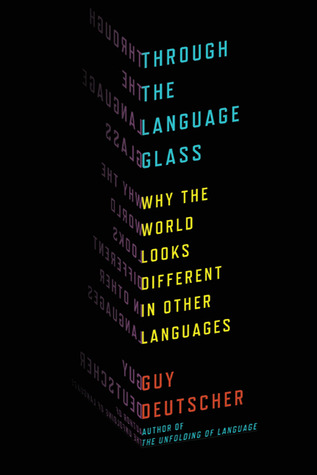
Few linguists share comparable command of the plethora of languages that are vividly and routinely on display throughout Deutscher's text. The work is bold, ambitious, and strives to combine insights from history, classical studies, anthropology, linguistics, psychology, biology, and physiology, to address the recurring intellectually perplexing conundrum regarding ways that language may shape thought. In the final analysis, however, this book is an argument in favor of multidisciplinary approaches to analyses that strive to examine the inevitably complex relationship between language and cognition.
By
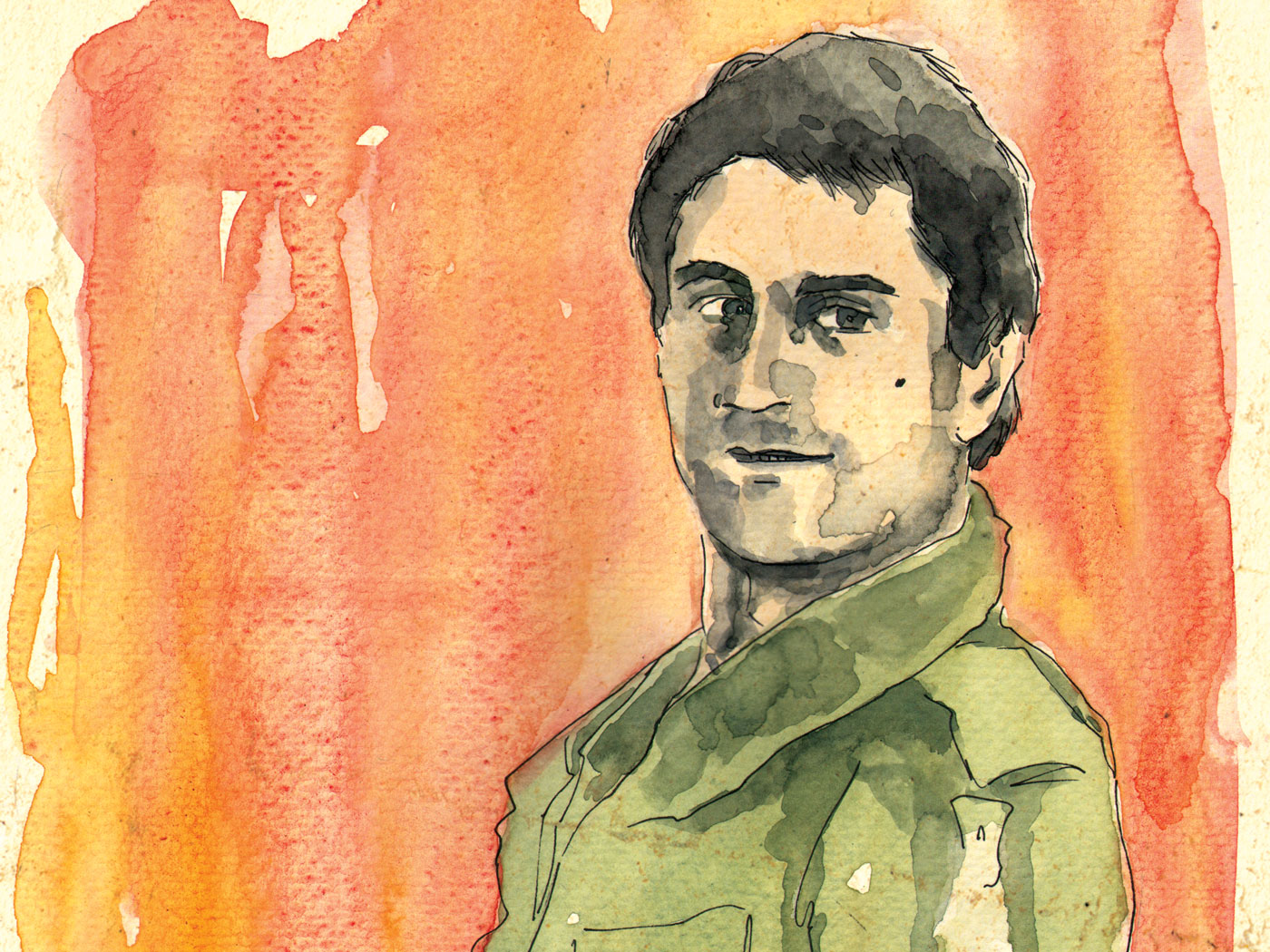
Edward McPherson
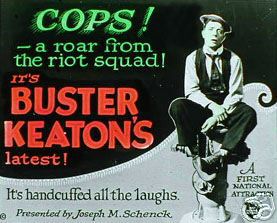
Today's films revel in saturated noise. The silent films of Buster Keaton, by contrast, bring us back to a time when film narrative worked its silent magic in ways that also asked us to impose our imaginations upon what we could only see.

By
John H. McWhorter
The world's many endangered languages should not be preserved simply because of the simple, and shaky, notion that they preserve cultural world views. They should instead be preserved for their aesthetic and cognitive value.
By
Sarah Kendzior
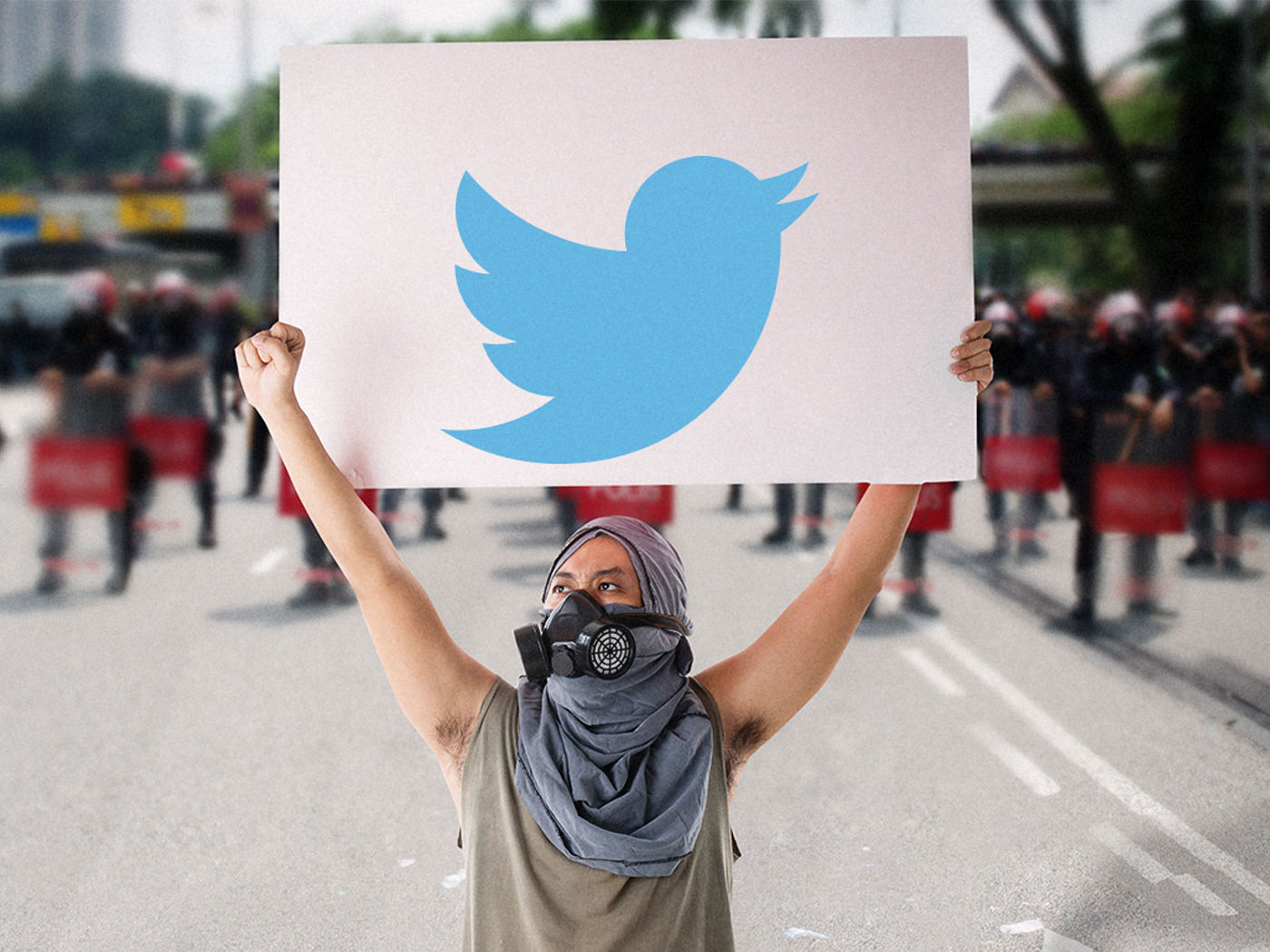
The struggle of two Uzbek journalists shows how the “rules” of online activism—that social media campaigns can inspire widespread support and even changes in policy—are in fact the exception.

By
Ilan Stavans
Threats and fans have followed Ilan Stavans ever since he announced on Barcelona radio in 2002 his intention to translate Cervantes into Spanglish. This time, it's for real.
By
Tianqi Wang
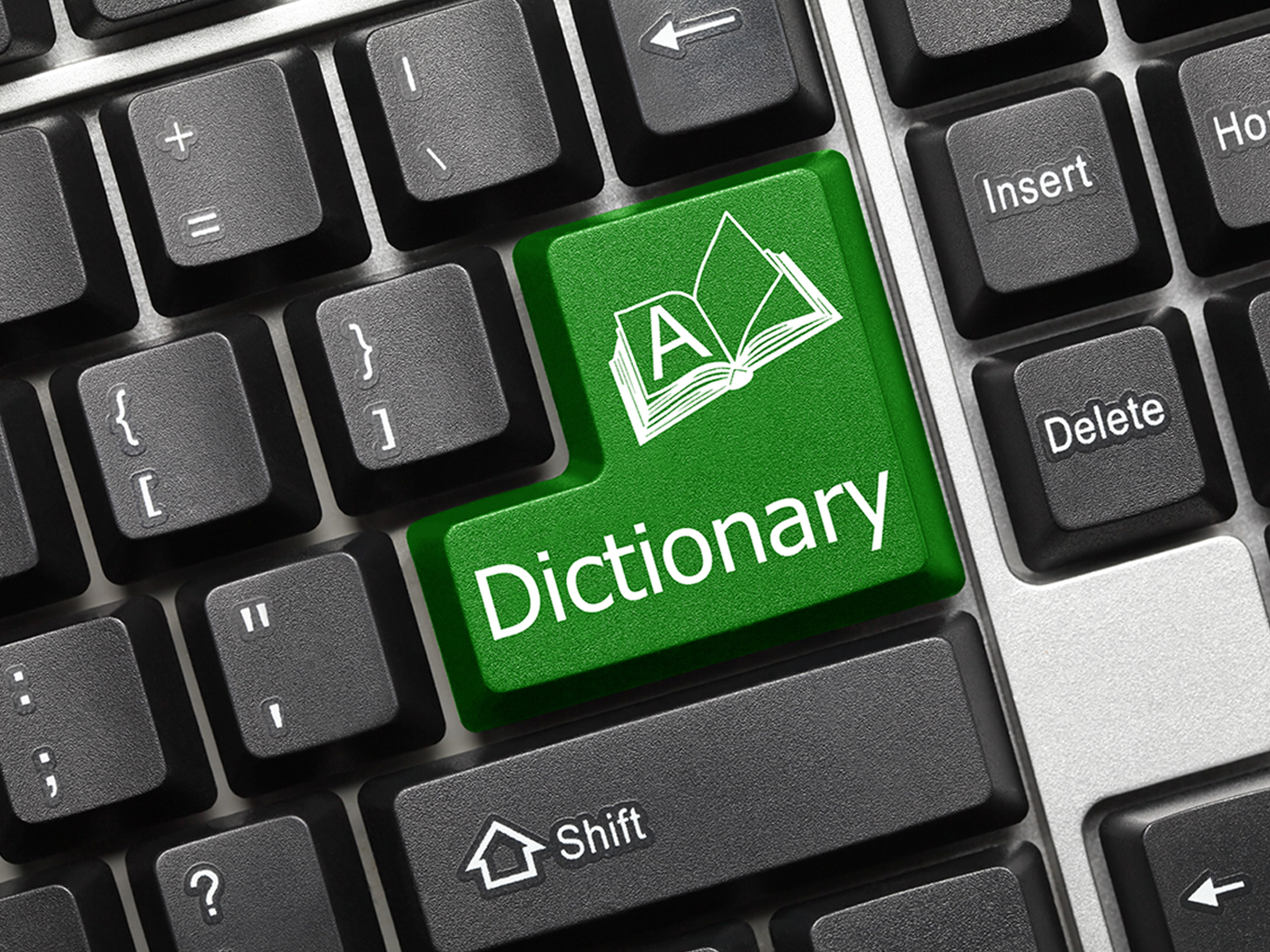
In the old days of language usage, speakers took their commands from lexicographers who wrote the rules of what words meant. Thanks to the Internet, that chain of command has been called into deep question.

By
Gerald Early
Jackie Robinson's famous 1944 court-martial revealed not just the hierarchy of power in language, but also the tension between the U.S. Army's efforts of integration and the ongoing struggle of black soldiers in their fight against Jim Crow.

By
Sujatha Fernandes
As global audiences deepened their involvement with hip-hop culture and created local rap scenes of their own, the language of rap came to play an important role as they developed their own hybrid vernaculars.

By
Qiu Xiaolong
If the translation is tantalizing enough—and even if it isn't—language can transcend its boundaries beyond signifiers to land straight on the tongue. Novelist Qiu Xiaolong has the experience, and literary character, to prove it.
By
Nancy Berg
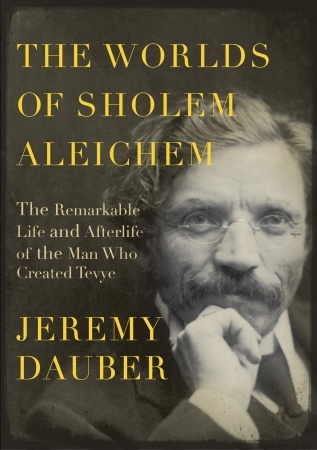
Sholem Aleichem indisputably contributed to the golden age of modern Yiddish literature in a major way. But what does it mean for a writer to have contributed to a literature no longer flourishing?
By
Abigail Horne
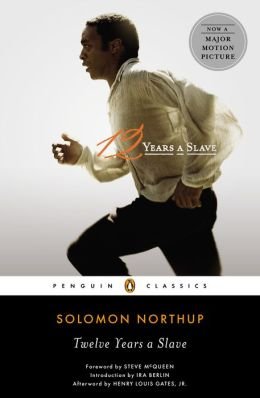
Whether on page, or on screen, Solomon Northrup's twelve years in bondage show the scars of slavery in all their vivid pain, contrasted against the promise of freedom.
By
Rashied Amini
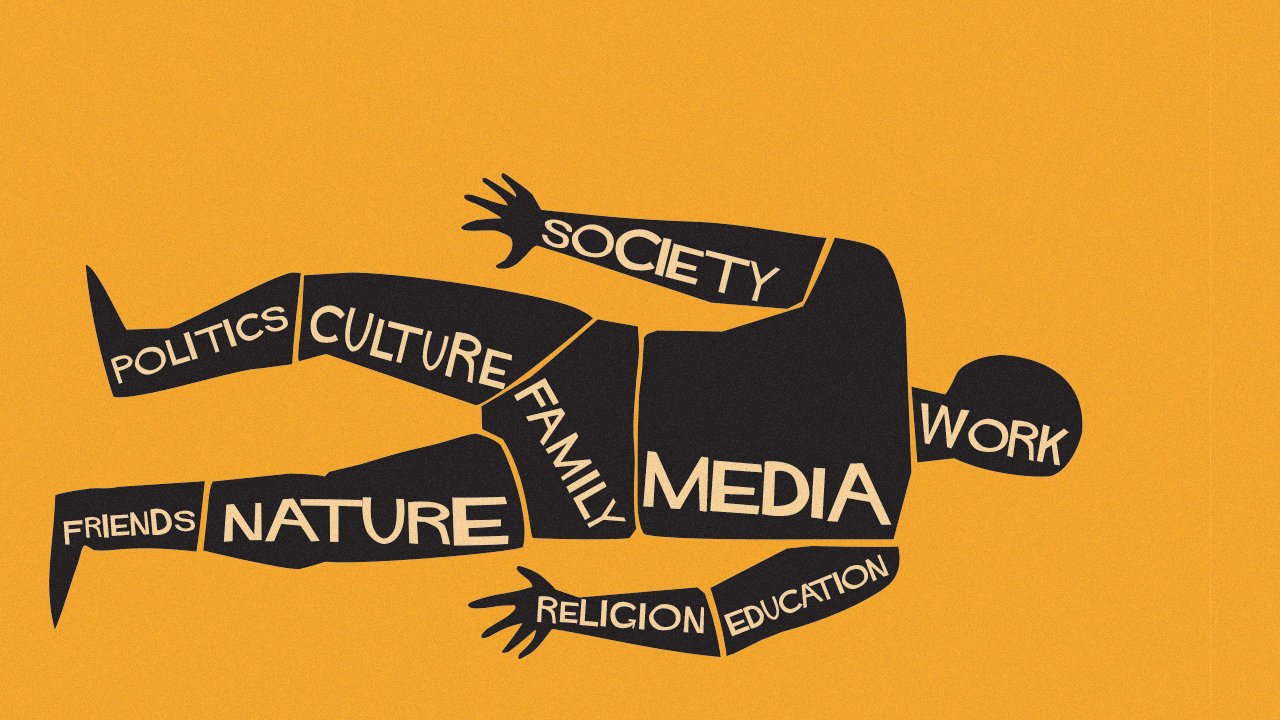
Rashied Amini argues that, while the public's knowledge of science is woefully inadequate, scientists must learn to bridge divides of religion and a media world prone to sensationalism if the situation is to improve.
By
Sacha Mardou
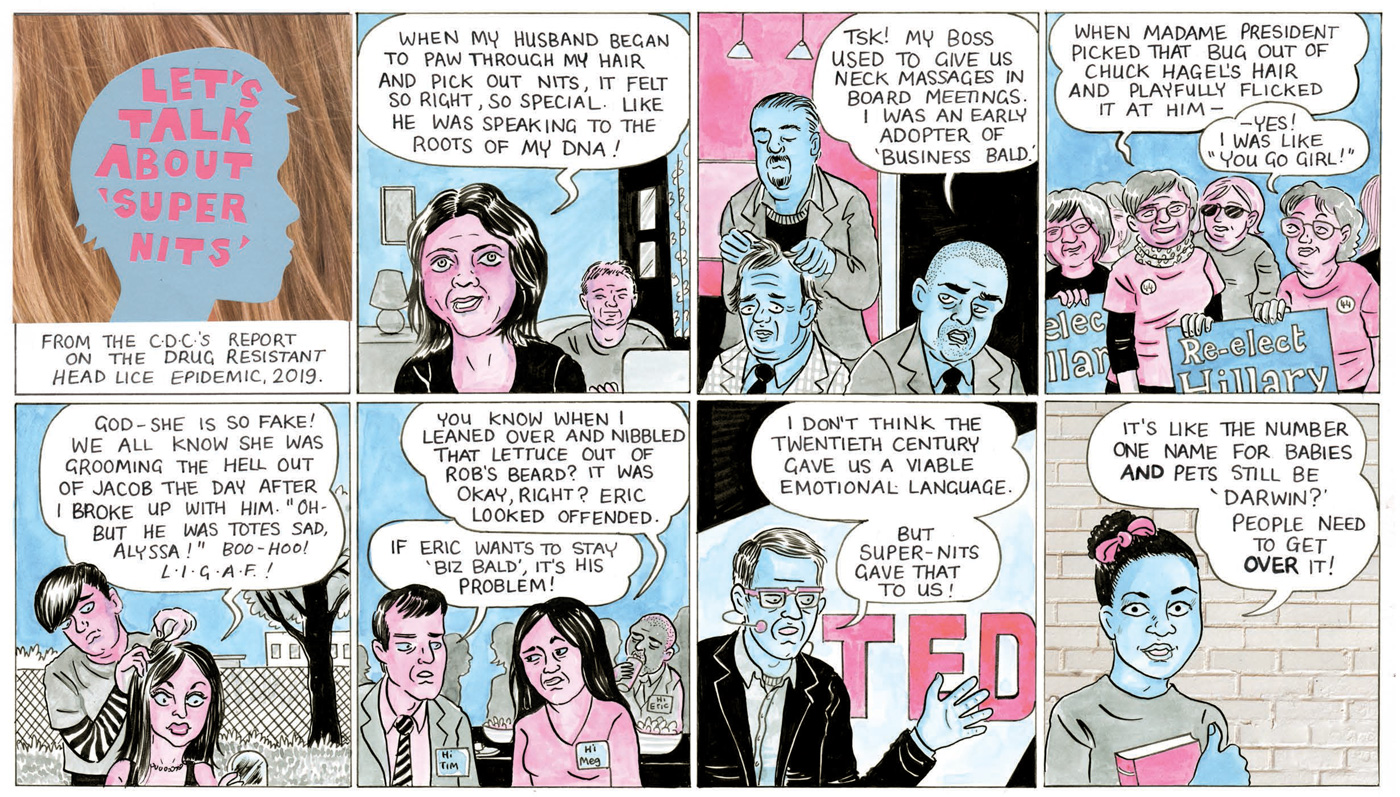
"From the CDC's Report On The Drug Resistent Head Lice Epidemic, 2019."