
The Culture of Autism
Books of this scope have been written on other medical topics, but this type of book is a first for autism, reading more like a compelling documentary script rather than a history book.
Books of this scope have been written on other medical topics, but this type of book is a first for autism, reading more like a compelling documentary script rather than a history book.
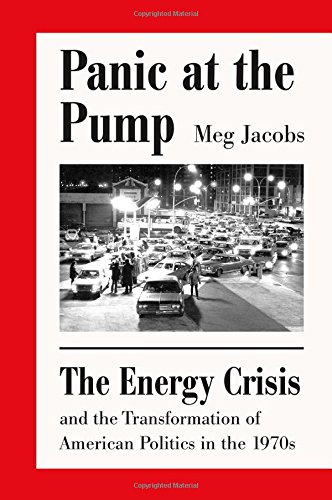
In the story of the 1970s' energy criris, historians have so far acknowledged the twin oil shocks of 1973 and 1979 as important events during the decade, but have not made them central to their analysis. Now Meg Jacobs argues that the politics of energy was in fact critical, as “the failure of the nation’s politicians to address the energy crisis contributed to the erosion of faith that Americans had in their government to solve their problems.”
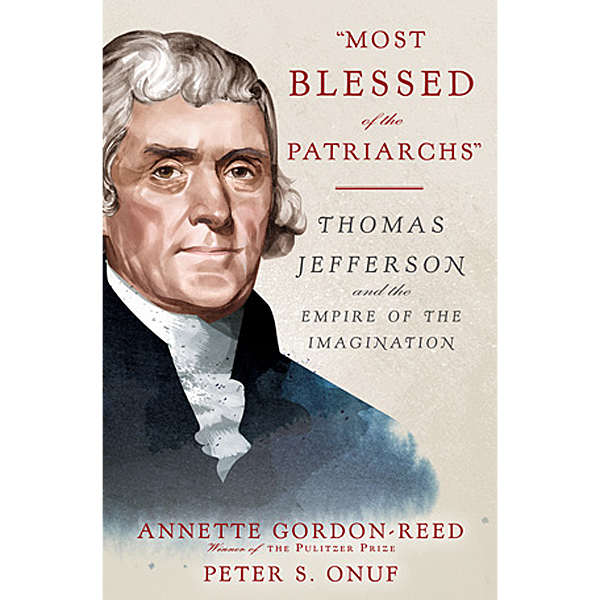
“Most Blessed of the Patriarchs” should be required reading for a general public that deserves more than easy evasions or tired indictments, for students who deserve an honest and unflinching engagement with the historical past, and for citizens seeking solutions for the problems of a troubled legacy.
Engaging seriously with the evidence on issues of crime reduction, allegations of police brutality, and unjustified lethal use of force on members of minority communities was clearly not part of Mac Donald’s purpose in writing this book. She chose instead to present a lawyer’s brief in defense of the police against charges of discriminatory treatment and over-policing of minor crime.
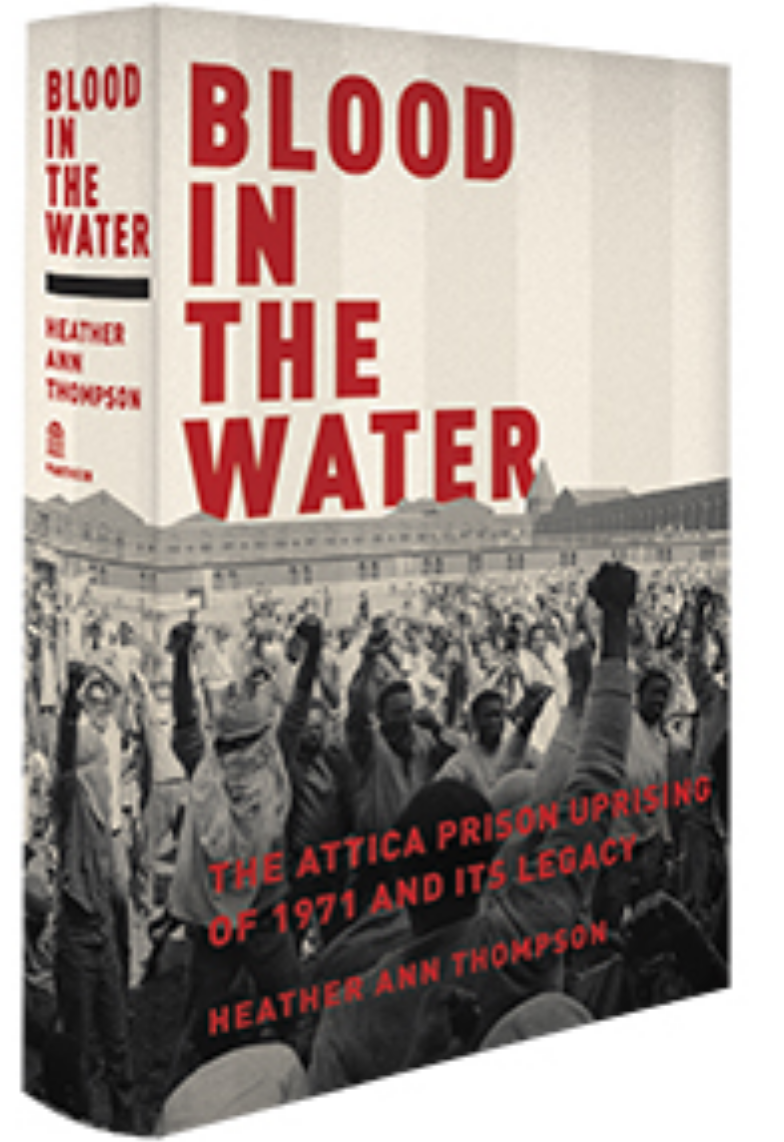
Winner of this year's Pulitzer Prize in history, Heather Ann Thompson's account of the 1971 Attica Prison revolt and its aftermath makes for a readable, interesting, and at times gripping book. Almost every page contains some revelation that the State of New York tried mightily to suppress.
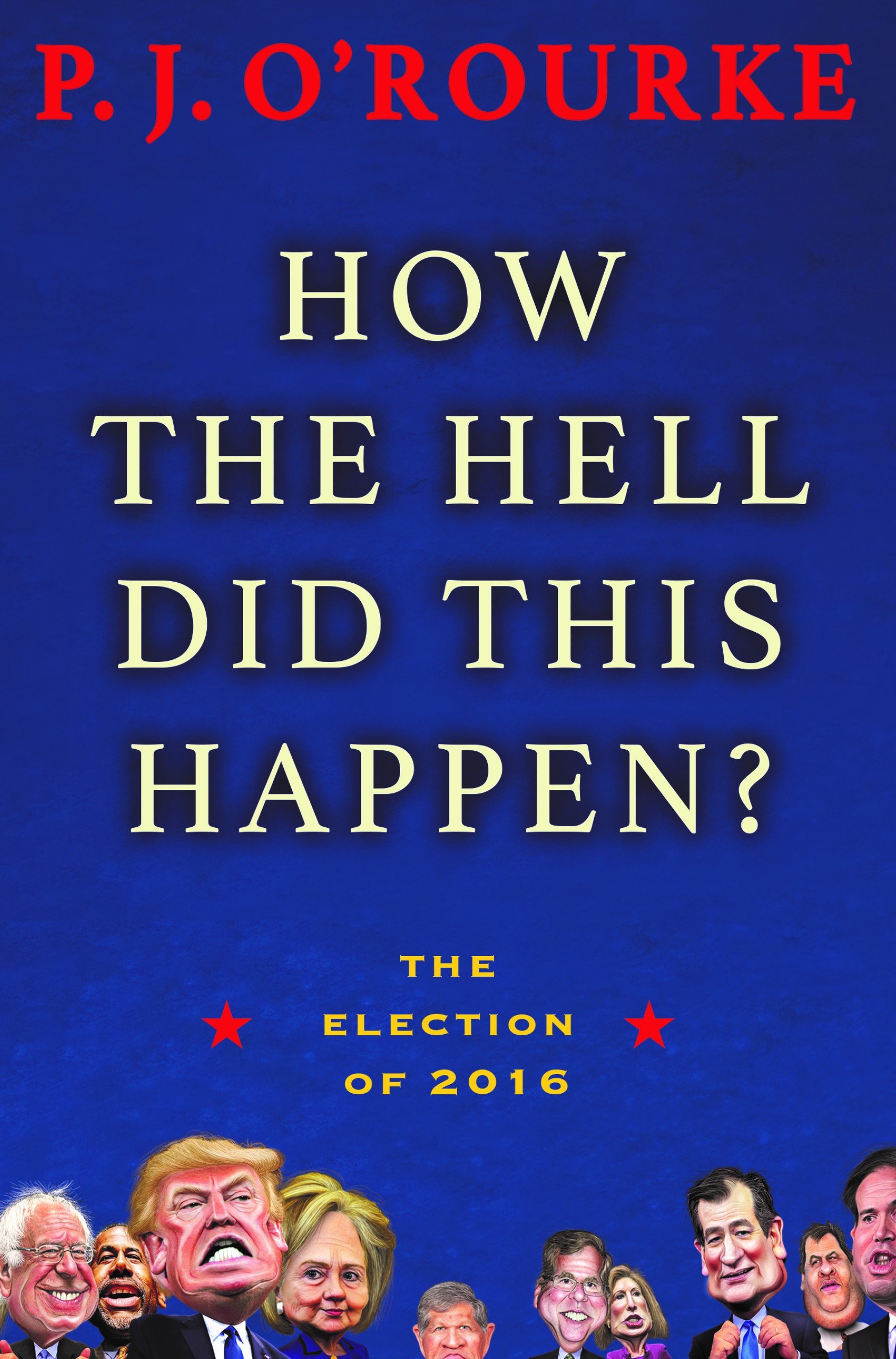
How the Hell Did This Happen? is a quick and diverting read that offers a bit to think about whether, and how much, our most recent presidential election reveals the country going completely off the rails.
Sam Quinones’s Dreamland is a complex, fascinating and ultimately haunting book about a society betrayed by its fundamental trust in science and capitalism.
Slaughterhouse demonstrates how the stockyards district is once more at the forefront of innovation in food production and the use of urban space, again making Chicago a showplace for the future.
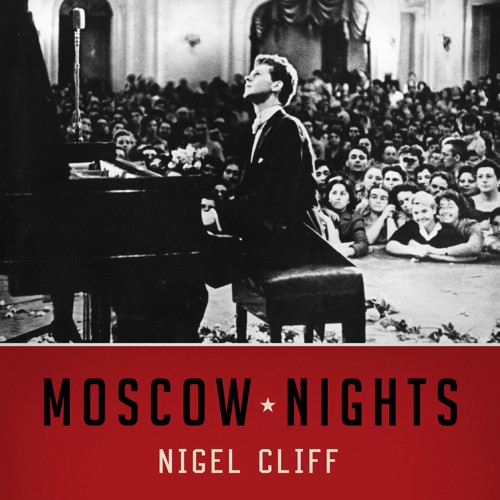
For readers interested in concert pianists, Van Cliburn and his story enrich our understanding of how classical musicians developed their careers against the backdrop of the Cold War. For those drawn to this book more out of interest in political history, Nigel Cliff shows that musicians’ stories can give us perspective on the private and public faces of this conflict.
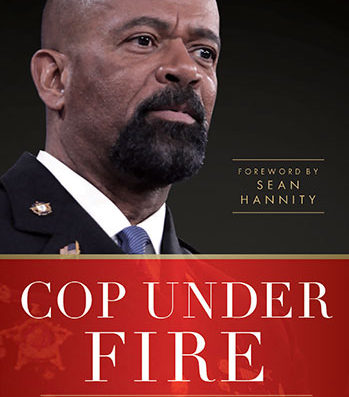
Cop Under Fire is a rambling monologue, aggressively expressed if not always cogently persuasive as a set of arguments. It would serve Clarke adequately as a campaign book as it expounds his policy views in a number of areas, some only tangentially related, at best, to law enforcement.