Of Medicine and Desegregation
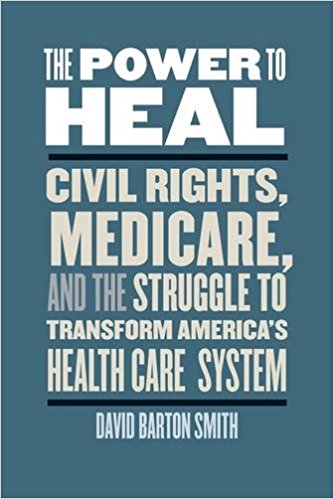
The Power to Heal tells how federal health officials—with backing from President Lyndon Johnson and other federal officials—mobilized to achieve a startlingly rapid transformation of U.S. hospitals.
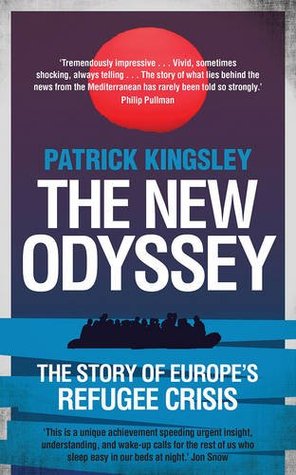
The New Odyssey is, in both style and analysis, the work of a tireless and fast-paced reporter rather than that of an academic scholar.
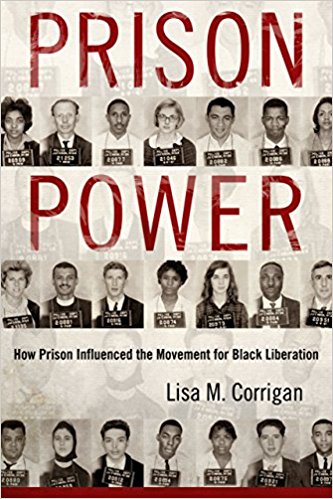
Corrigan’s book is well-conceived and well-executed, written with a polemical chip on its shoulder, to be sure, but with an earnest intelligence that makes it a compelling and at times even absorbing read, revealing a striking self-awareness of the stakes and the drama of the psy-war that prison custodians and their prisoners engage in.
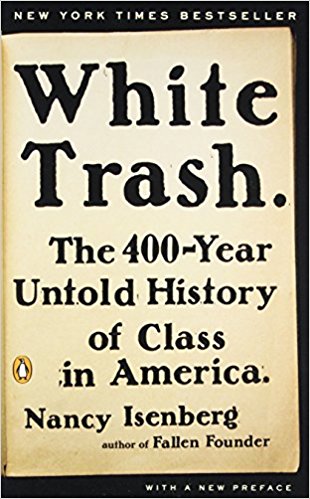
White Trash: the 400-Year Untold History of Class in America is laced from beginning to end with a persistent and urgent consciousness of topical debates about race and politics, and a sensitivity to the ideals, desires, and fears of “lubbers,” “clay-eaters” and “crackers.”
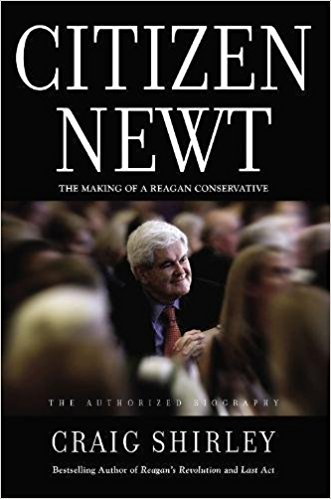
Craig Shirley makes a solid case for the importance of Gingrich in revamping both the Republican Party and American conservatism.
Please Touch is a handsome coffee table book, the kind that invites casual examination but typically poses no real intellectual challenges to its readers. Or so one might initially think.
Hertzman’s book on samba illuminates a common struggle for music scholars and cultural historians: how can musical sounds inform our cultural histories?
Though clearly in favor of the 2015 agreement that limited Iran’s ability to develop a nuclear weapons capability in return for lifting sanctions, the strength of Parsi's account is in its ability to speak to many of the players.
"The Dogs' Office"
A book like this intensifies a sense of black community for its readers by being racial, yet universal. It is almost a totem.