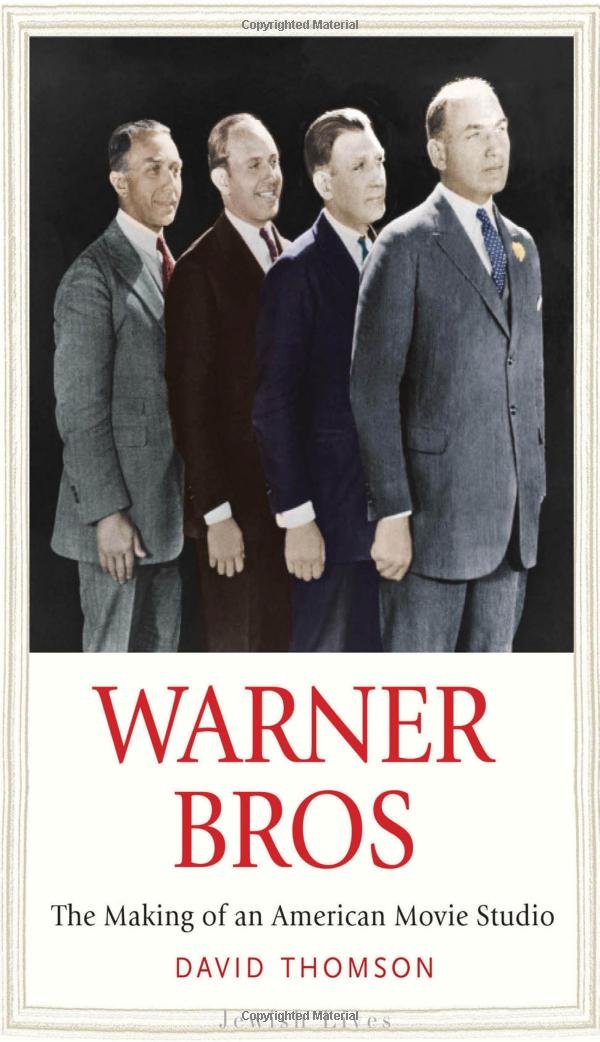
The America That the Warner Brothers Made
Warner Bros is at its most stimulating when it regards the studio’s movies, stars, and filmmakers as both passive reflections and active agents of a monolithic American cultural identity.
Warner Bros is at its most stimulating when it regards the studio’s movies, stars, and filmmakers as both passive reflections and active agents of a monolithic American cultural identity.
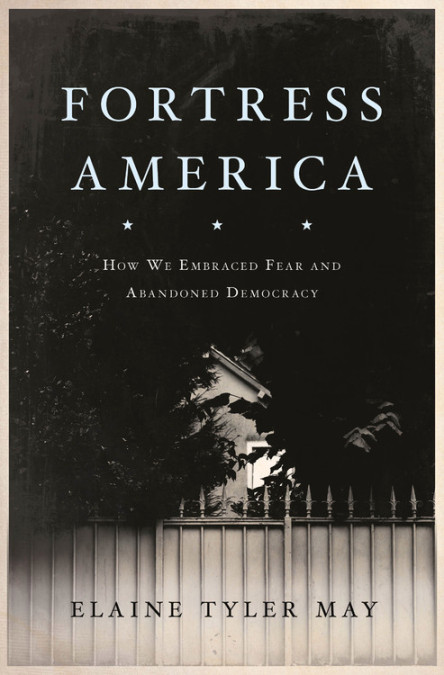
May aims to demonstrate that, over the past fifty years or more, there has emerged a “new consensus” that Americans have everything to fear—especially from each other—despite the fact that in very many ways their world has grown safer.
Hitler’s American Model is invaluable in comprehending the creative political maneuvering deployed, across time and international boundaries, to satisfy this racism.

Though Jackson has a generally favorable opinion of de Gaulle, he makes no attempt to hide his difficult personality and his craftily dishonest manipulation of people and institutions. The result is both even-handed and definitive.
Given that the book was written for a white audience, how did I feel as a person of color reading it? The simple answer is mixed.
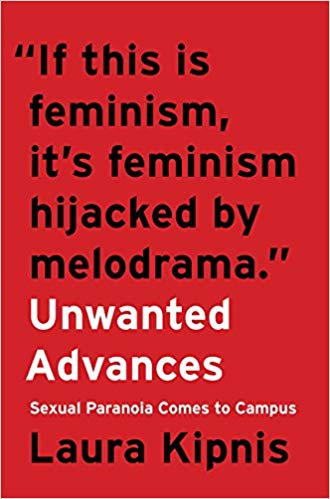
Unwanted Advances is a provocative, if frustrating, read.
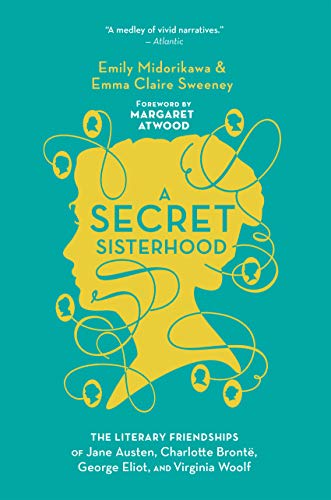
Secret Sisterhood offers little in the way of secrets and even less in the way of female literary friendship.
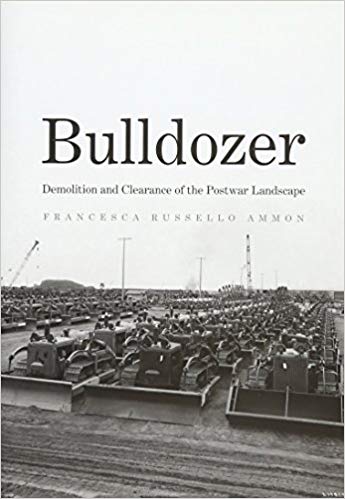
Apart from a history of heavy machinery, Ammon's book also examines shifting attitudes towards the wholesale clearance of land from World War II through 1973.
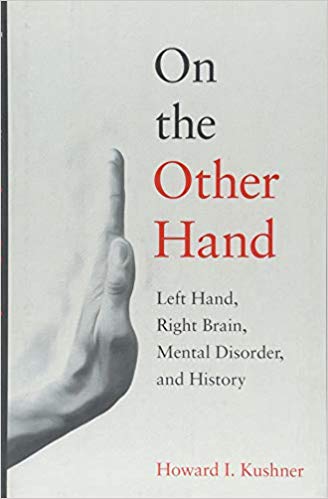
If we read On the Other Hand as a meditation on the uses of history, we might say that for Kushner, history itself emerges as a left-handed discipline.
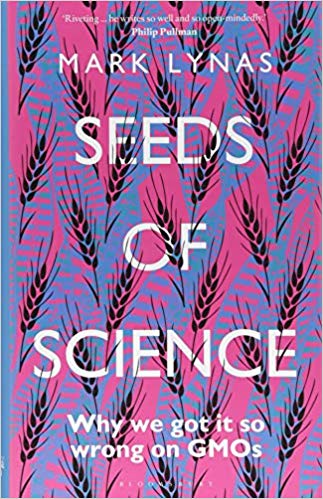
If there is not much new on GM agriculture or even on the dynamics of defection, we are not left with much except a deceptive broadside against anti-GMO activism, authenticated only by Lynas’s special standing.