Reviews

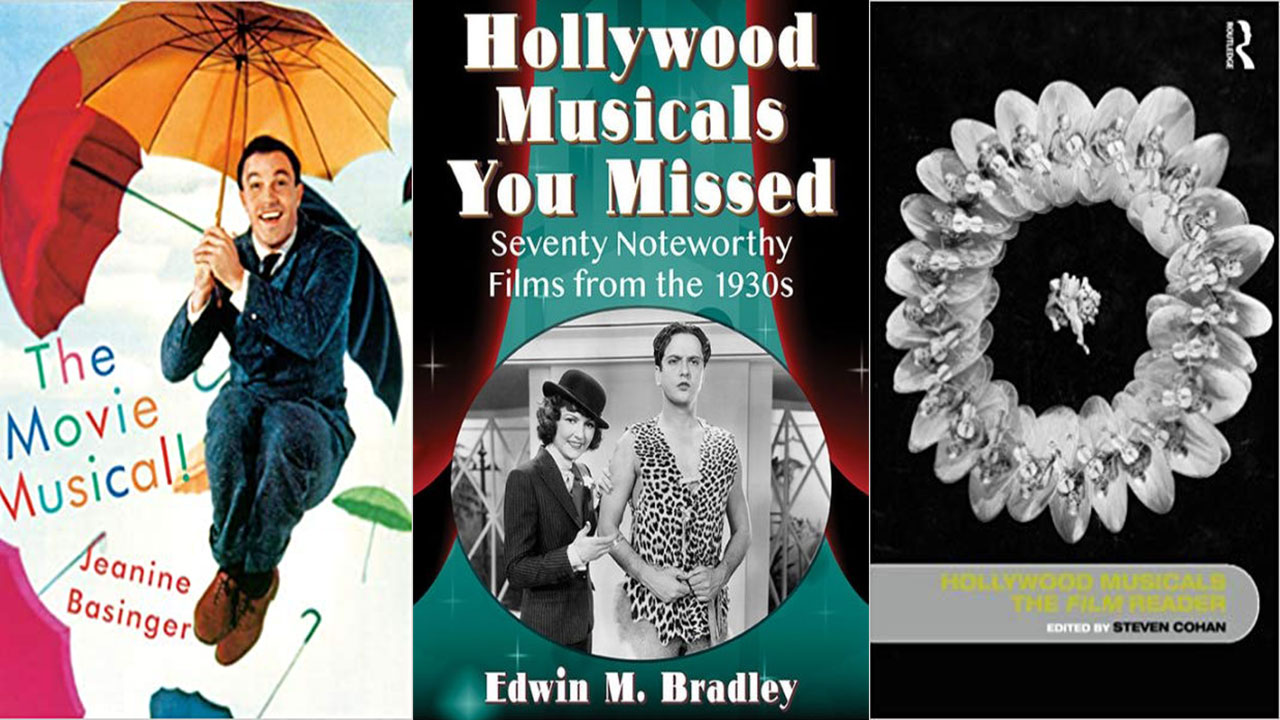
Musicals, Known and Unknown

In different ways, the books under review offer alternative perspectives on what is arguably the most polarizing of film genres. All three are by established film historians who have written extensively on specific eras and themes. Yet of the three texts only Hollywood Musicals You Missed opens up fresh lines of inquiry.
The Spy Who Helped Stop the Nazis

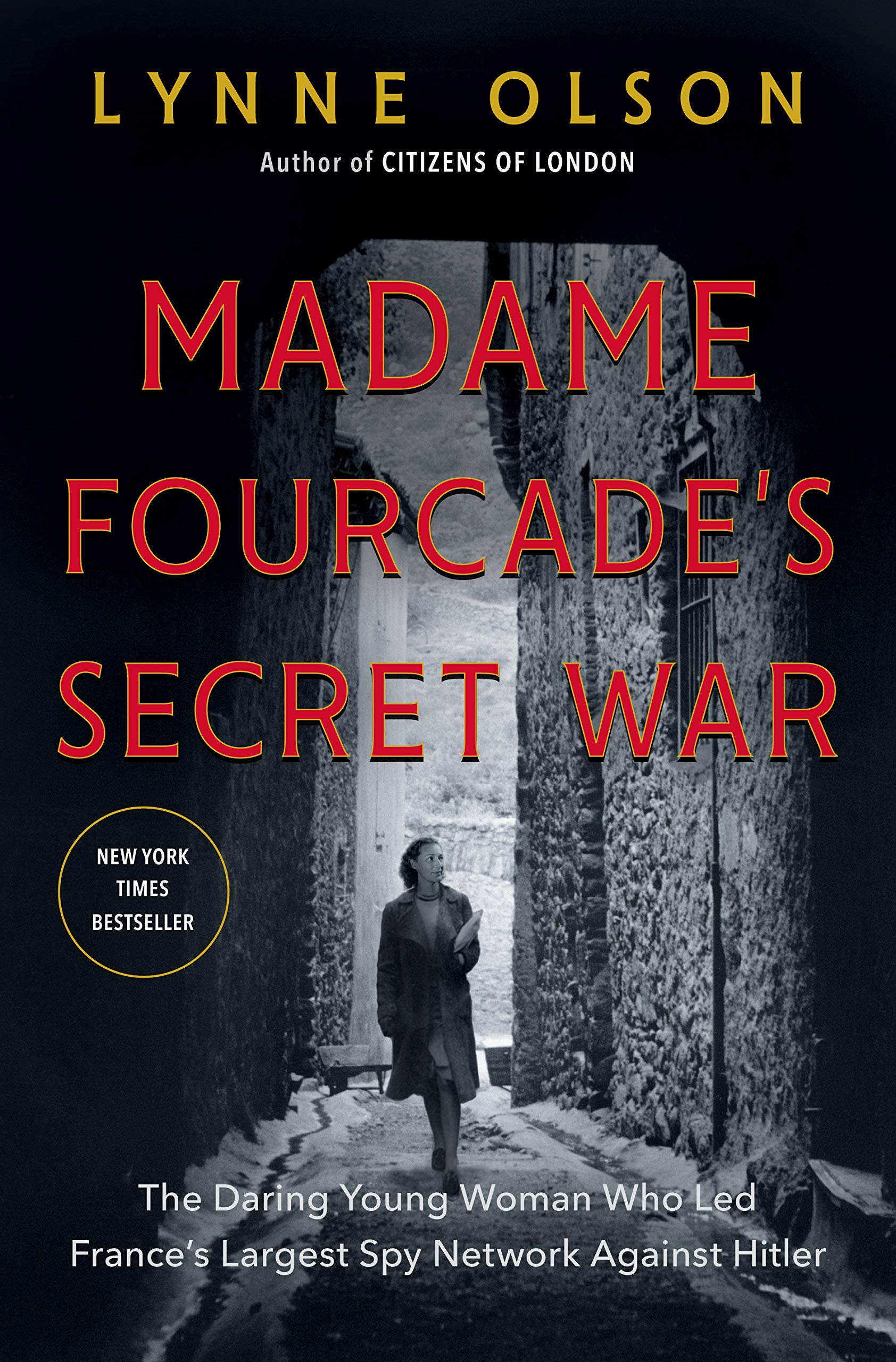
Madame Fourcades’s Secret War: The Daring Young Woman Who Led France’s Largest Spy Network Against Hitler reads like a well-written thriller about the most interesting French woman since Eleanor of Aquitaine. It stars an unlikely heroine who fought autocrats throughout her life.

Undoing the Colonial World that Whites Made

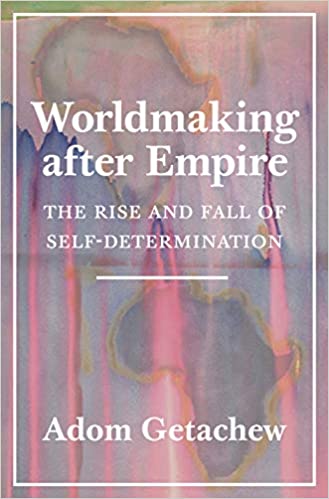
In Worldmaking after Empire: The Rise and Fall of Self-Determination, Adom Getachew returns to the sunrise of African and Caribbean decolonization in the twentieth century. Far from portraying the neoliberal African state as the fulfillment of the freedom dreams of the Black Atlantic’s architects of decolonization, Getachew excavates a vibrant set of histories that show us that those visions were quite different.

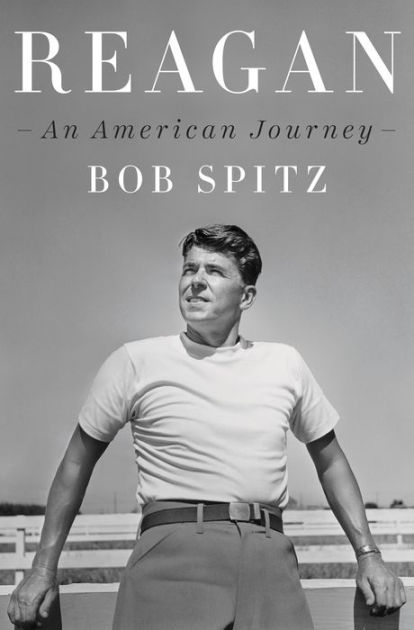
Ronald Reagan and His Revolution

A reader primarily interested in an exhaustive account of policy specifics or in Reagan’s position in the longer arc of American political history might do better with other biographies, or with the several excellent historical works addressing the broader context of the Reagan presidency. But for the reader primarily interested in a single biography about Reagan the man and Reagan the politician, and moderately serious about following details of his statesmanship, An American Journey would be a rewarding choice—entertaining, evenhanded, and historically rich.

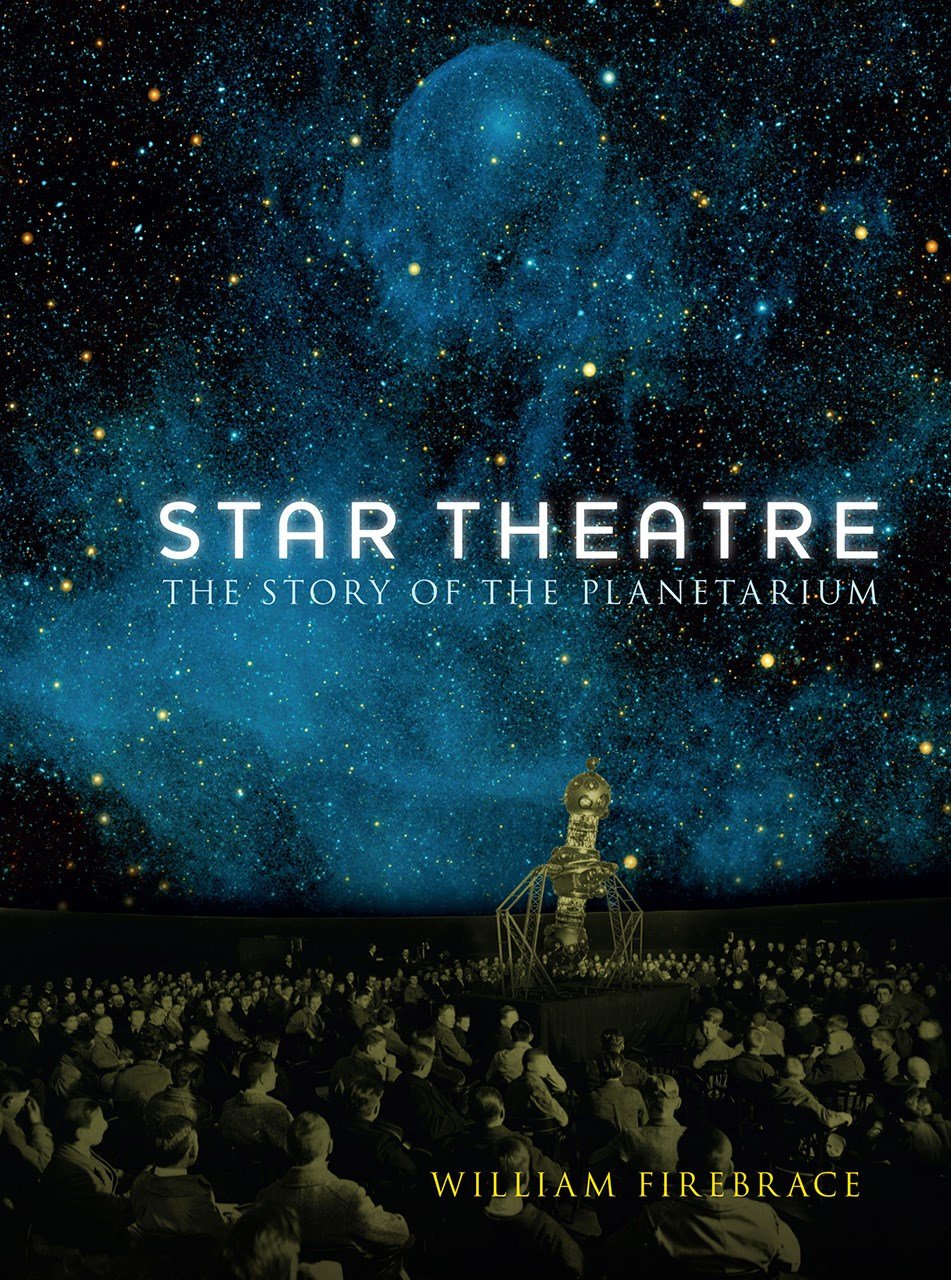
Recreating the Heavens

In Star Theatre, William Firebrace, as the architect that he is, provides the reader with an excellent assessment of some of the most interesting planetarium buildings in the world. He also walks us through the unique history of the human desire to bring the heavens down to Earth.

An Eerie Self-Pity: Curzio Malaparte on the Rocks of Resistance in Paris

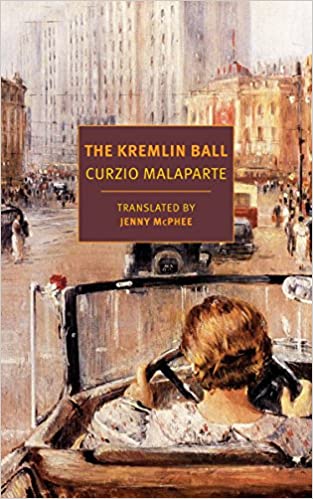
Curzio Malaparte’s ferociously ambiguous politics pushed him in and out of Il Duce’s prisons in the 1930s, yet they also rehabilitated him sufficiently to grant him access to Axis military and diplomatic operations as a journalist during the war. And when the winds shifted again, he trimmed his sails, finding work with occupying U.S. forces in Italy after Mussolini’s collapse.

An Ensemble View of Modern American Life

While The Other Americans makes for a compelling read with its digestible chapters, its alternating perspectives, and its many layers, an overly ambitious scope means that some of the subjects it tries to tackle receive scant attention.

Skip to content