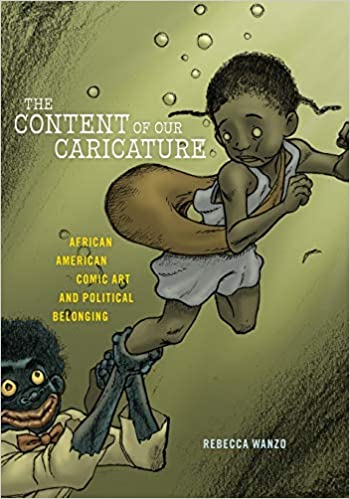
The Black Picture Show
Two new books, in many ways vastly different, take on the history of Blacks in American comics—one discussing the work of more celebrated cartoonists of the last century or so, the other focusing on previously hidden figures.
Two new books, in many ways vastly different, take on the history of Blacks in American comics—one discussing the work of more celebrated cartoonists of the last century or so, the other focusing on previously hidden figures.
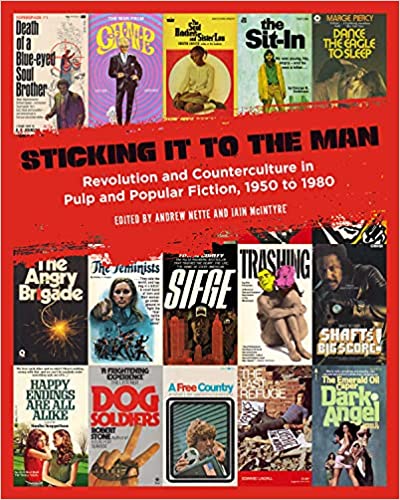
Sticking it to The Man does not consider just any pulp fiction books; these are the stories of folks who have had enough of their designation as low and choose to rise up and challenge “the man” whose standards cast them down.
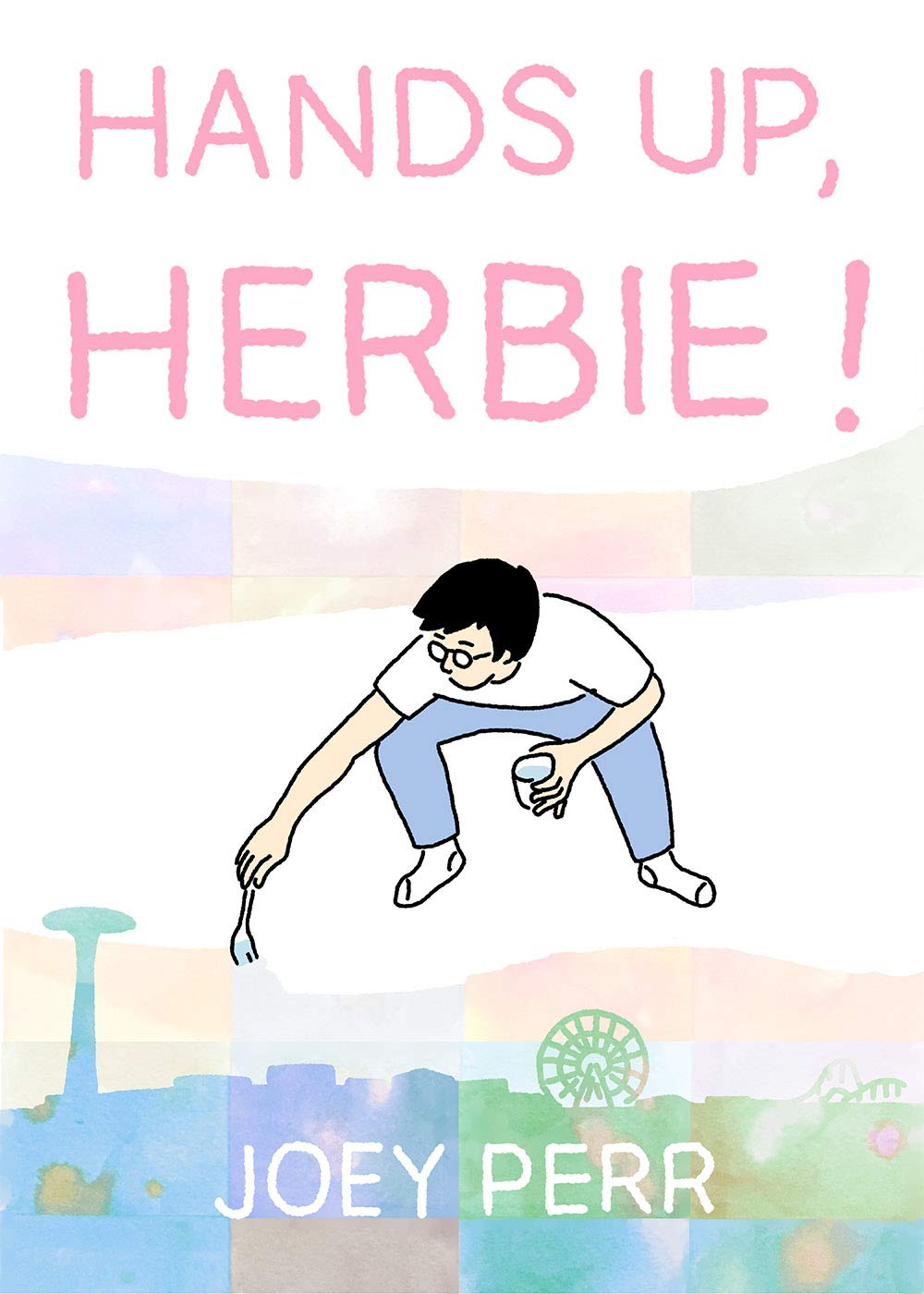
Hands Up, Herbie! delves into the lower depths, where criminality is anything but abnormal. At the same time, it is a portrait of the artist as a young man.

I am not so sure if Williamson is a conservative as much as he is a contrarian, at times a kind of White Stanley Crouch, though less verbose. At times, a kind of Hunter Thompson but less gonzo. I did not always agree with his interpretation of the world as he saw it, but I always found what he saw stimulating and more than occasionally trenchant.
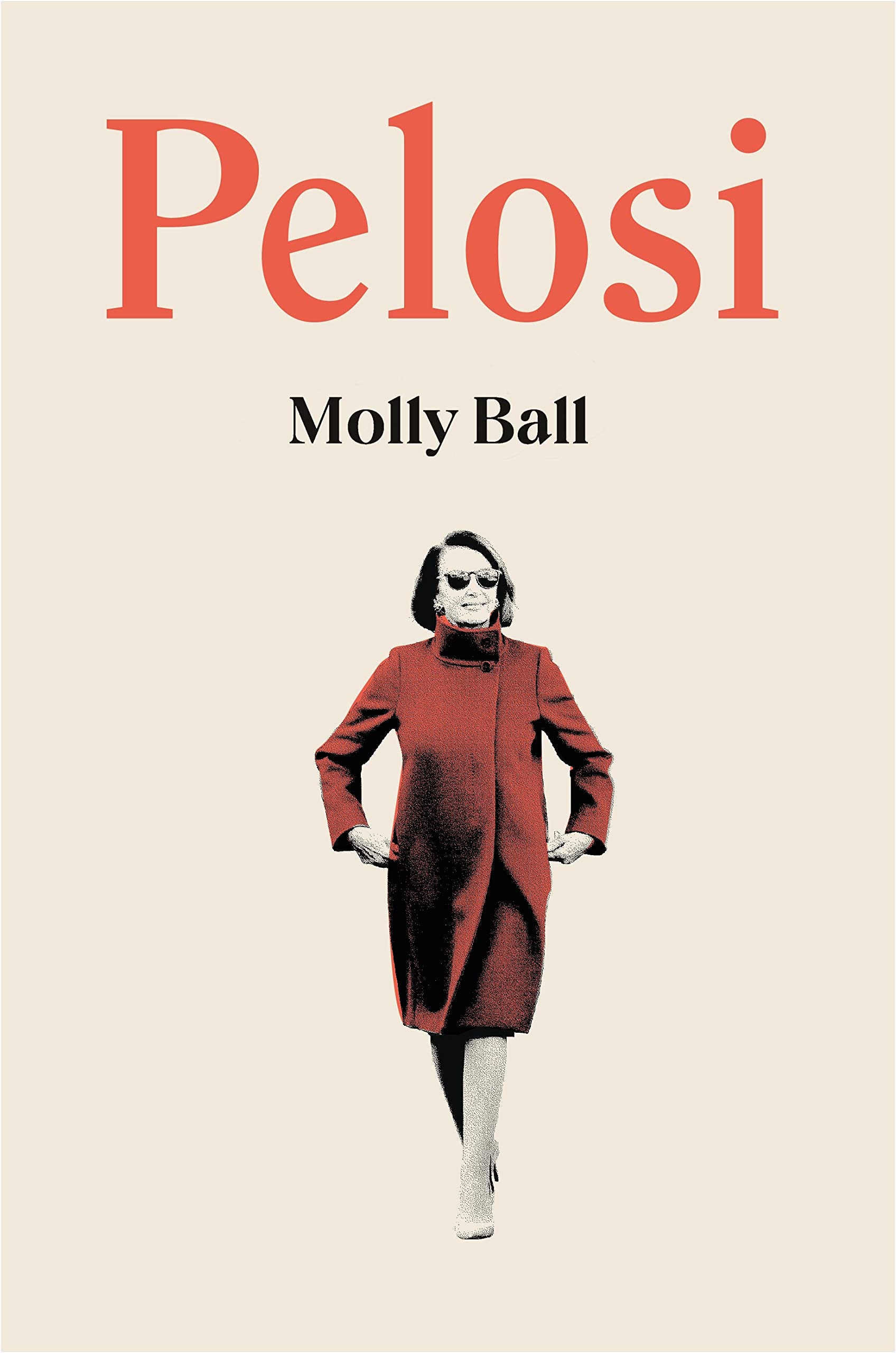
Ball’s portrait of Pelosi’s life in politics is a detailed and exhaustive exploration of Pelosi’s life in politics–an important project that fills a needed gap. But the very nature of the book reveals that the role of gender in negotiation is complex, and Ball’s handling of the issue represents a meta-commentary on the challenge of understanding it.
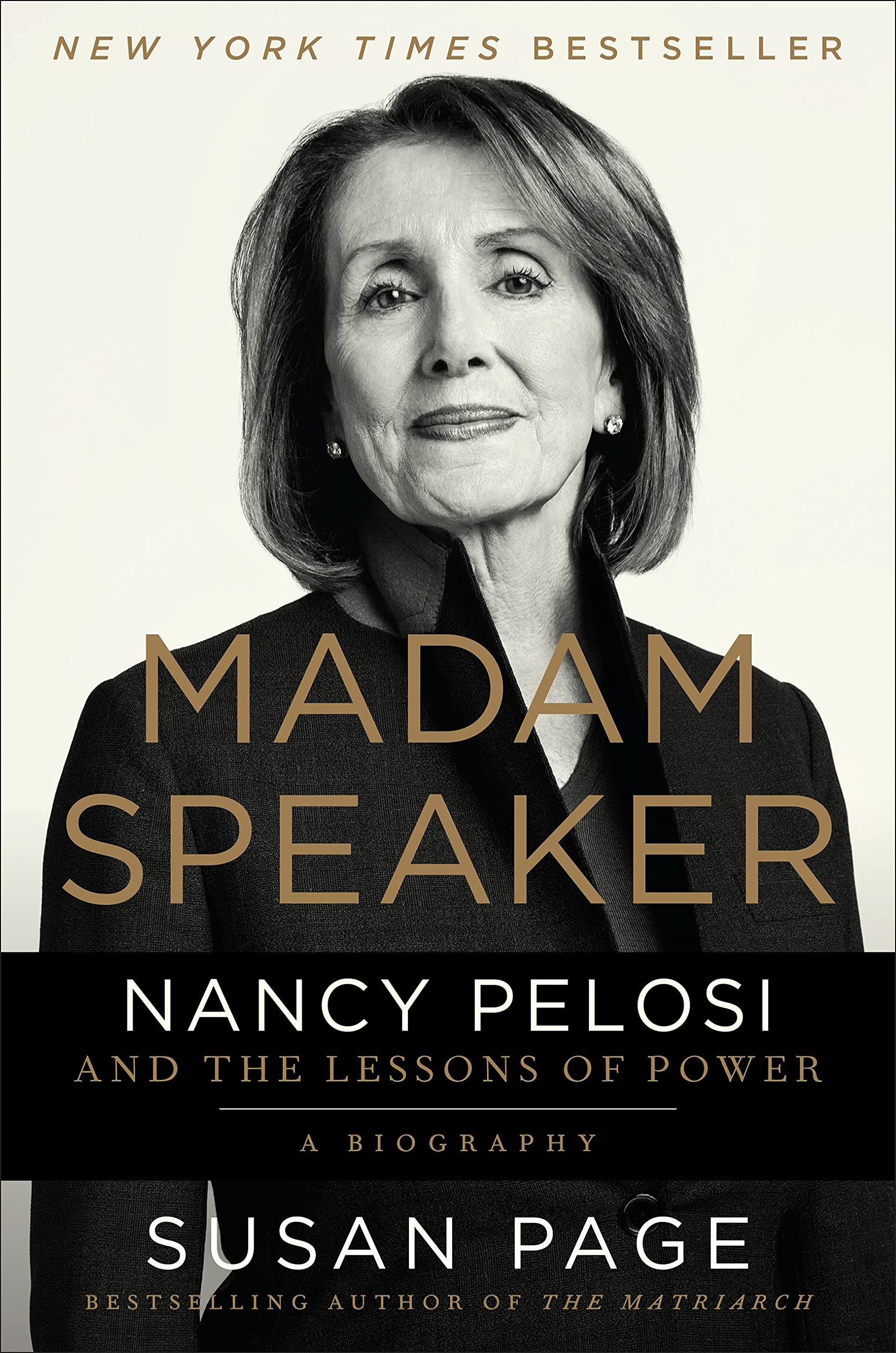
While Susan Page conducted several interviews with her subject and clearly admires her, Madam Speaker: Nancy Pelosi and the Lessons of Political Power is no work of is hagiography.

Sowell has forthrightly challenged his critics and detractors with the sheer volume of his work. In the blood sport of academic disagreement, that production is the sign of the bruiser. Whatever the reason for the neglect of Sowell, Jason L. Riley provides us with a much-needed book.
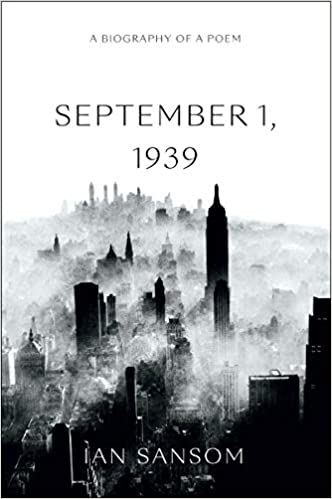
While Sansom’s September 1, 1939 professes to be a biography of Auden’s poem, the result borne out by the actual structure of Sansom’s text and the nature of its many self-reflective digressions complicates that goal.

From David Bowie’s cousin to his childhood friends, his managers, musical collaborators, girlfriends, writers such as novelist Hanif Kureishi, and extraneous celebrities to the last word of the midwife present at Bowie’s birth, A Life leaves almost no stone unturned, no corner empty, and no speculation left unsaid.
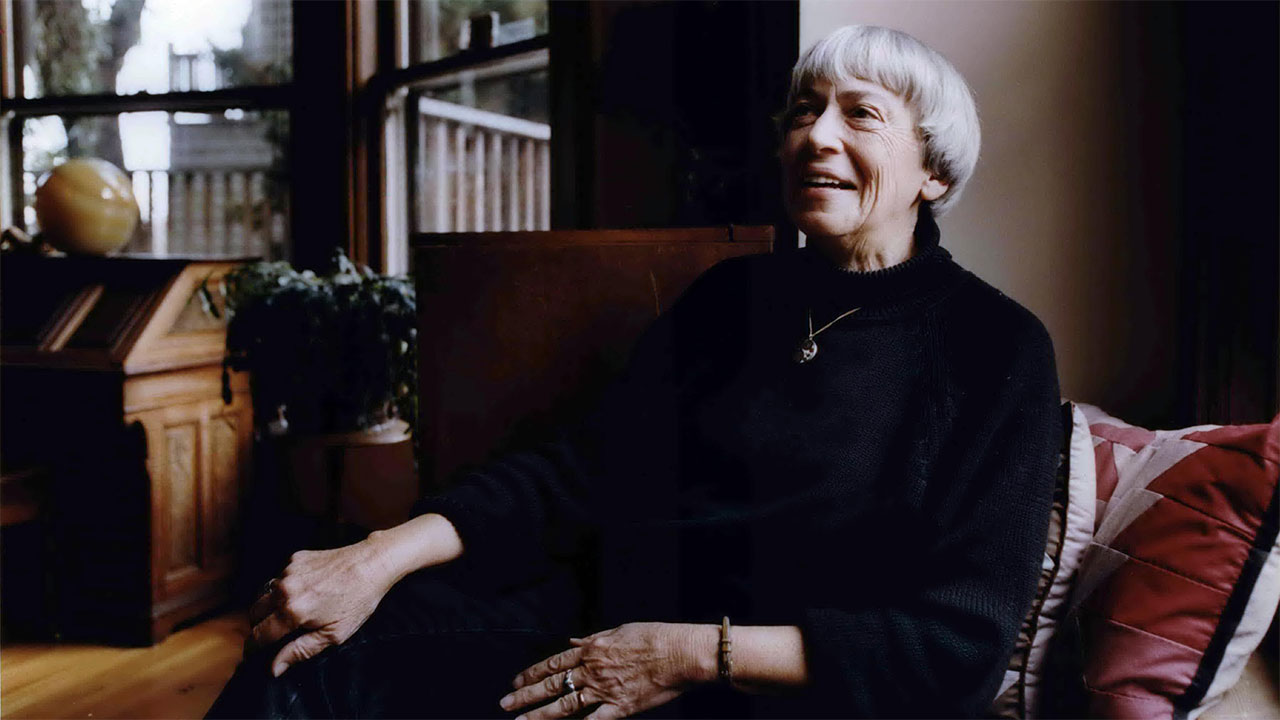
Ursula K. Le Guin created an alternate history for our wayward species so suitably epic in scope, theme, and detail that it rivals anything Isaac Asimov, Arthur C. Clarke, and Robert Heinlein conjured during the so-called Golden Age of Science Fiction.