“Lights, Camera … Money!”
At the center of almost every film is a cast of great actors. But it is money—its loss, gain, theft or lawful earning—that so often decides who gets cast.
"It is certain that, with regard to corporal enjoyment, money can neither open new avenues to pleasure, nor block up the passages of anguish. Disease and infirmity still continue to torture and enfeeble, perhaps exasperated by luxury, or promoted by softness."
The stereotype that Hinduism is less materialistically oriented than other religious traditions is clearly false. At the same time, to offer a definitive account of the connection between Hinduism and money would be deceitful and definitively incorrect.
The ostensible arc of The Poison Tree takes us from a child’s domination by a ruthless, unyielding father to a successful adult’s enlightenment and forgiveness. But the actual course of the narrative is less straightforward and, as with the poem from which it takes its inspiration, far more unexpected in its outcomes.
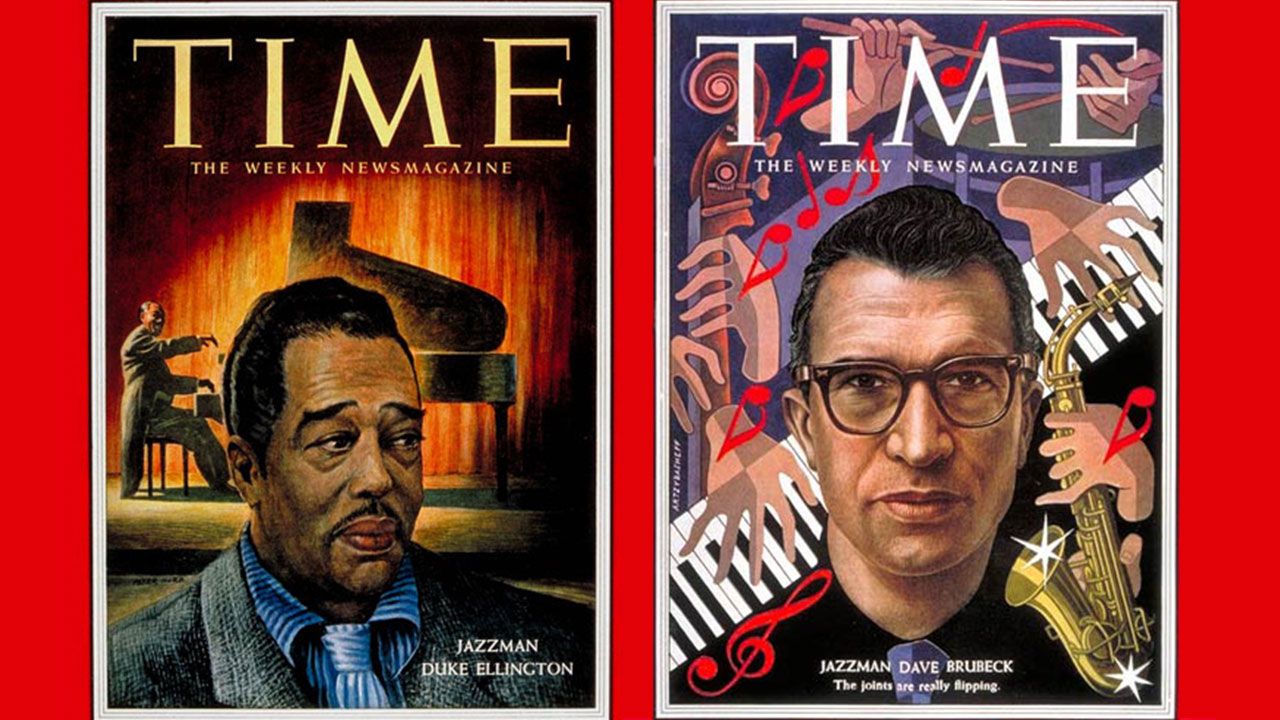
Whether as audience members, scholars, or performers, women have been in short supply throughout jazz history. The representation of jazz in the films La La Land (2016) and Whiplash (2014), by director and writer Damien Chazelle, demonstrates this problem clearly.
The world that compositions about Joan of Arc evoke is filled with angels and demons, kings and clerics, bells and disembodied voices, and their musical interpretations reveal striking details about how the modern age looks back on the mysterious medieval world Joan inhabited.
Rapper T.I. tunes listeners’ ears backward in time, to the end of the Civil Rights Movement and the death of Martin Luther King Jr., but also forward to our current time in which he believes white supremacy "is covertly done."
To anyone who asked, Katherine Dunham repeated a consistent message: training in the performing arts prepared people to face life’s problems. Too often, she felt, individuals wandered through life unaware of how the world worked and how they fit into it.
The Wire would not necessarily be described as a series about race. But that was the beauty of it.
Neighborhoods United for Change frames St. Louis not just as a divided city, but also as one that yokes dispossession in North City to growth in South St. Louis, revealing how both North and South share similar goals.