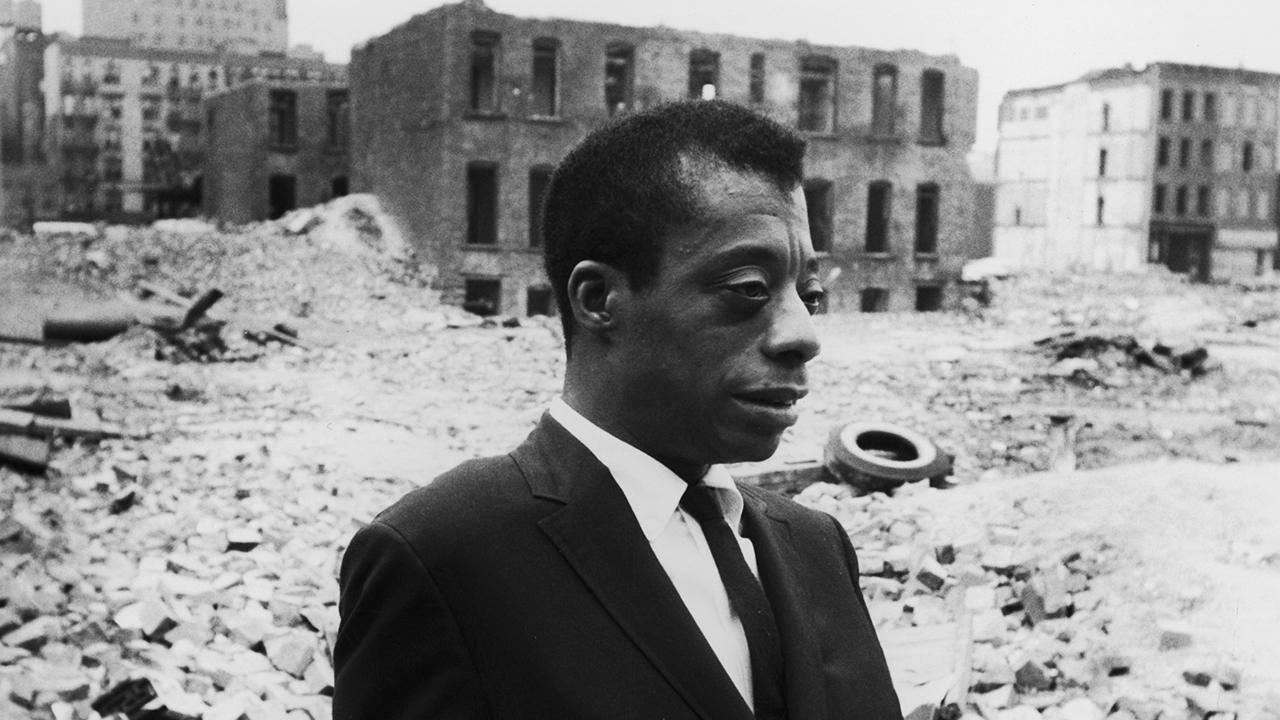
James Baldwin & American Democracy
Ten original essays, with preface and introduction, on the relevance of James Baldwin's thought and writings.
Ten original essays, with preface and introduction, on the relevance of James Baldwin's thought and writings.


The Common Reader remembers the iconic African-American novelist Toni Morrison in this 1995 interview: "Black writing has to carry that burden of other people’s desires, not artistic desires but social desires; it’s always perceived as working out somebody’s else’s agenda. No other literature has that weight."
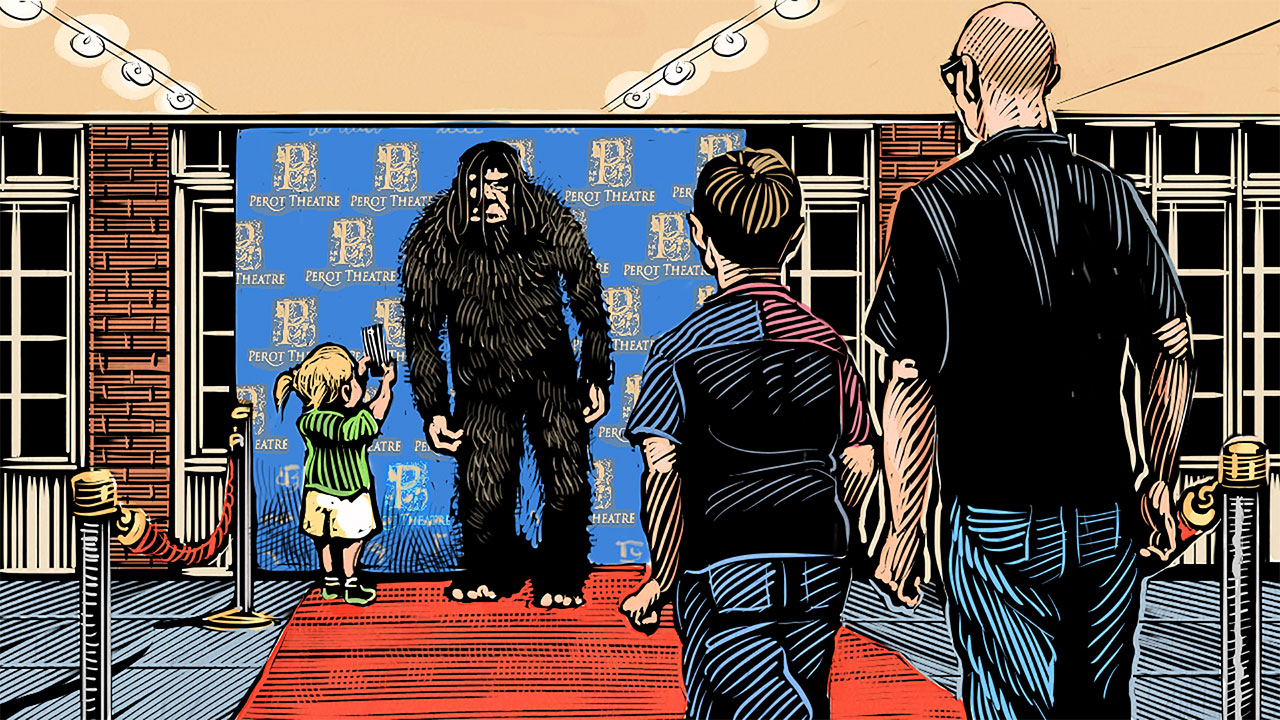
Humans have long seen nature as a monster. We have tried our banded-together best to destroy it but cannot stop thinking about creatures that never stood a chance against us. The idea of a seven-foot hominid wandering around Texarkana, or the Pacific Northwest, or the Himalayas, is an aftertaste of our fear and hope that such things are still possible.
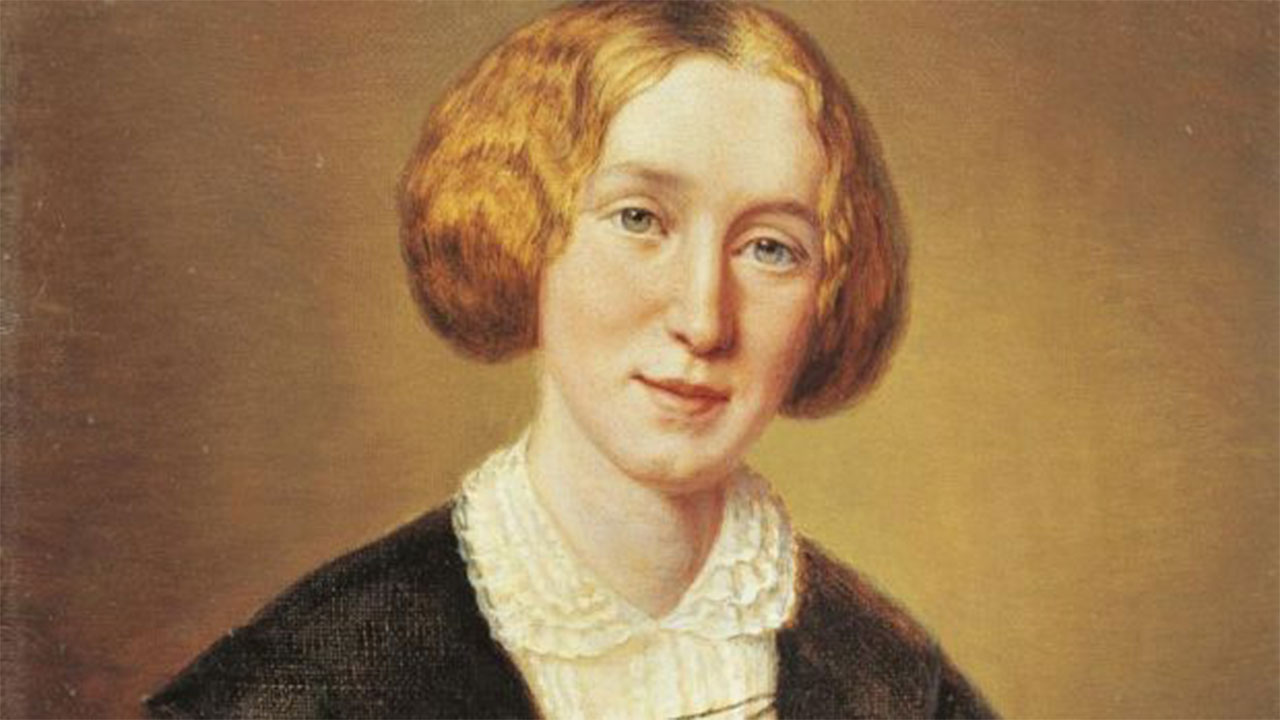
“The standing apology for women who become writers without any special qualification is that society shuts them out from other spheres of occupation. Society is a very culpable entity, and has to answer for the manufacture of many unwholesome commodities, from bad pickles to bad poetry."

This is not about how it feels to be homeless. It is merely about someone who, knowing little of such matters and without money in his pockets, went onto the streets of St. Louis and found shelter and food, and it is about what and whom he saw in the process.
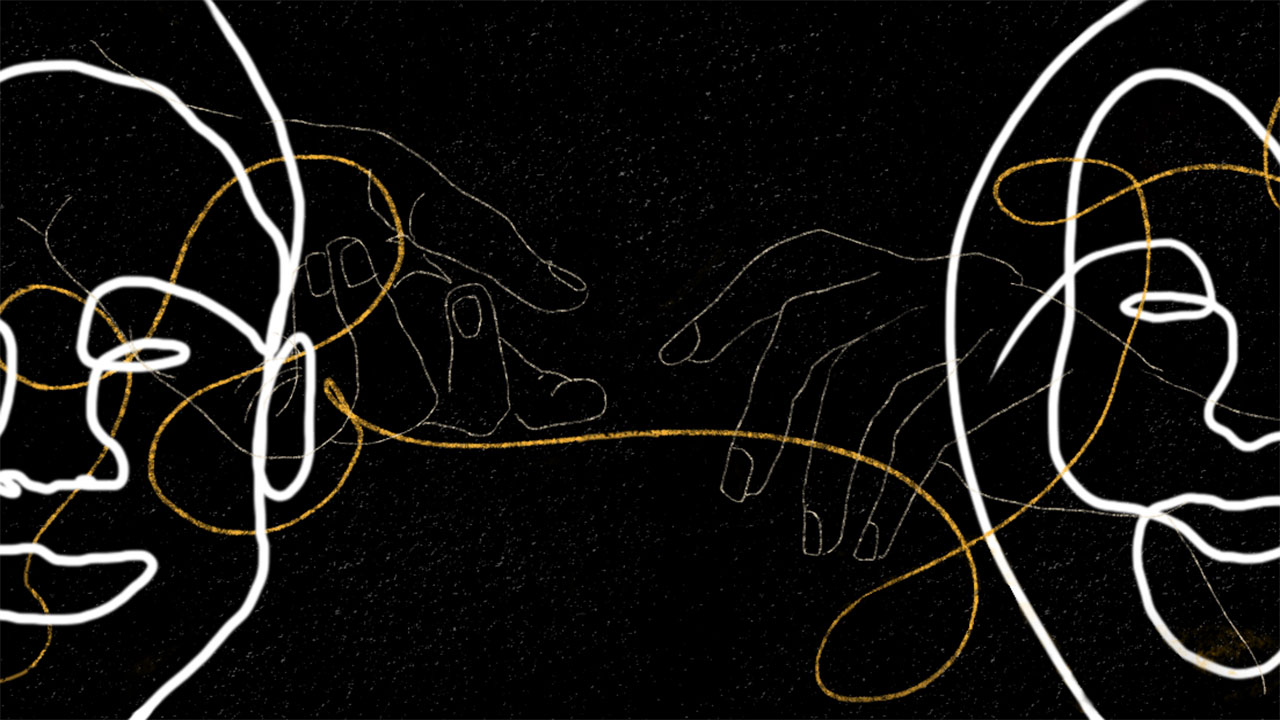
This story, like many stories, centers on a brief and chance encounter. Meeting Sam and then reading about his demise made me wonder how communities like mine could better support and care for young people who may be struggling, who may sometimes make the devastating choice to end their life.

Day’s characters seemed to give her fans not only a coping fantasy but a sense of inspiration. One of the problems with the intelligentsia is that it will not respect or take seriously any fantasy that is not built on some idea or resistance to hegemony, which Day’s fantasy clearly was not.

The “Justice at Night” case was an unfortunate slip the first time, when Martha Gellhorn had just turned 28. It probably was not even all her fault. More than 50 years later, however, it was.

We live in a moment where the burger still serves as a stalwart symbol of American cuisine, a divisive dog whistle for politicians, and, maybe just maybe, a common ground on which to discuss a problem as big and complex as global warming.