
Tales from a Train
Riding coach on Amtrak today is more like taking a nice bus. No doubt I will arrive weary, disillusioned and, as the Victorians put it, “travel-stained.”
Riding coach on Amtrak today is more like taking a nice bus. No doubt I will arrive weary, disillusioned and, as the Victorians put it, “travel-stained.”

Funeral sermons for poetry seldom discuss, in detail, a single poem. This is a problem of reception, not of poesis, or making. I offer, here, under a perhaps too-pithy conceit, the antidote: a hyper-close, even seemingly rudimentary, close reading of ten poems from the past ten years that I believe offer glimpses of the most vital work in today’s poetry.
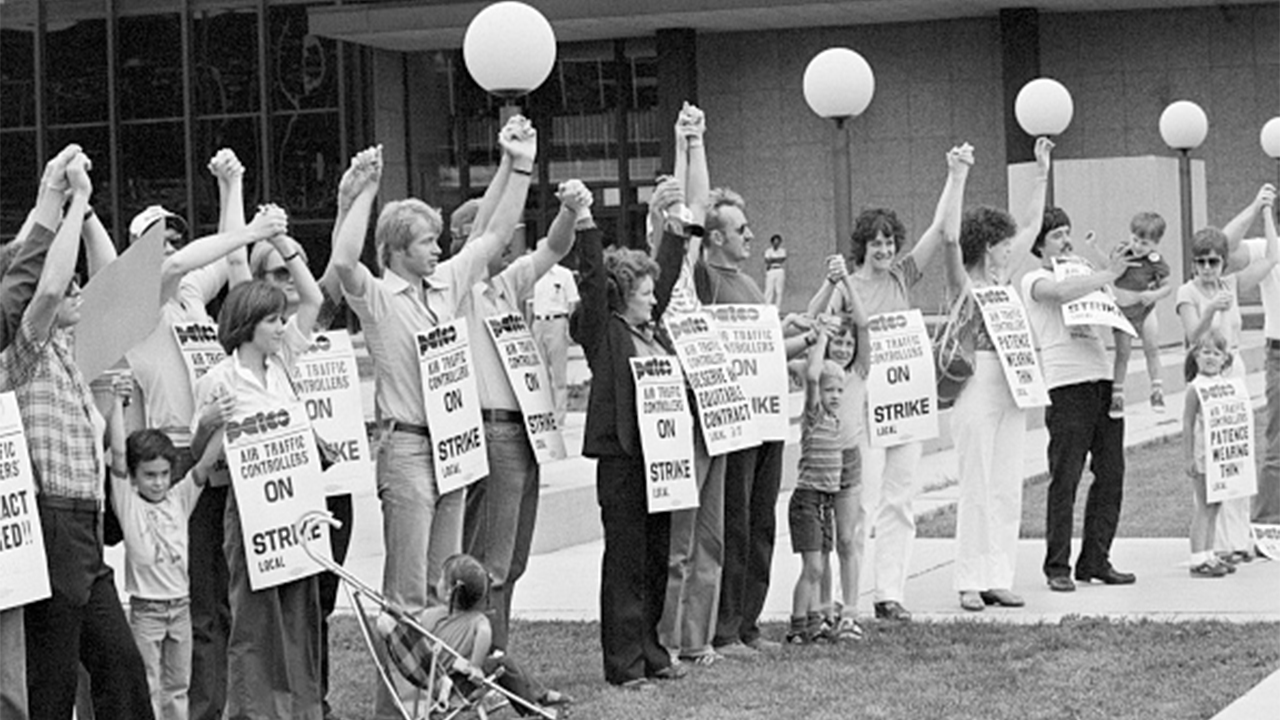
This essay is a transcontinental flight with several stops—from Harriett Quimby’s 1912 flight across the English Channel to the 1981 PATCO strike that nearly brought American aviation to its knees. In between we learn about a Tuskegee airman who became a POW and a bit about children’s books that deal with aviation.
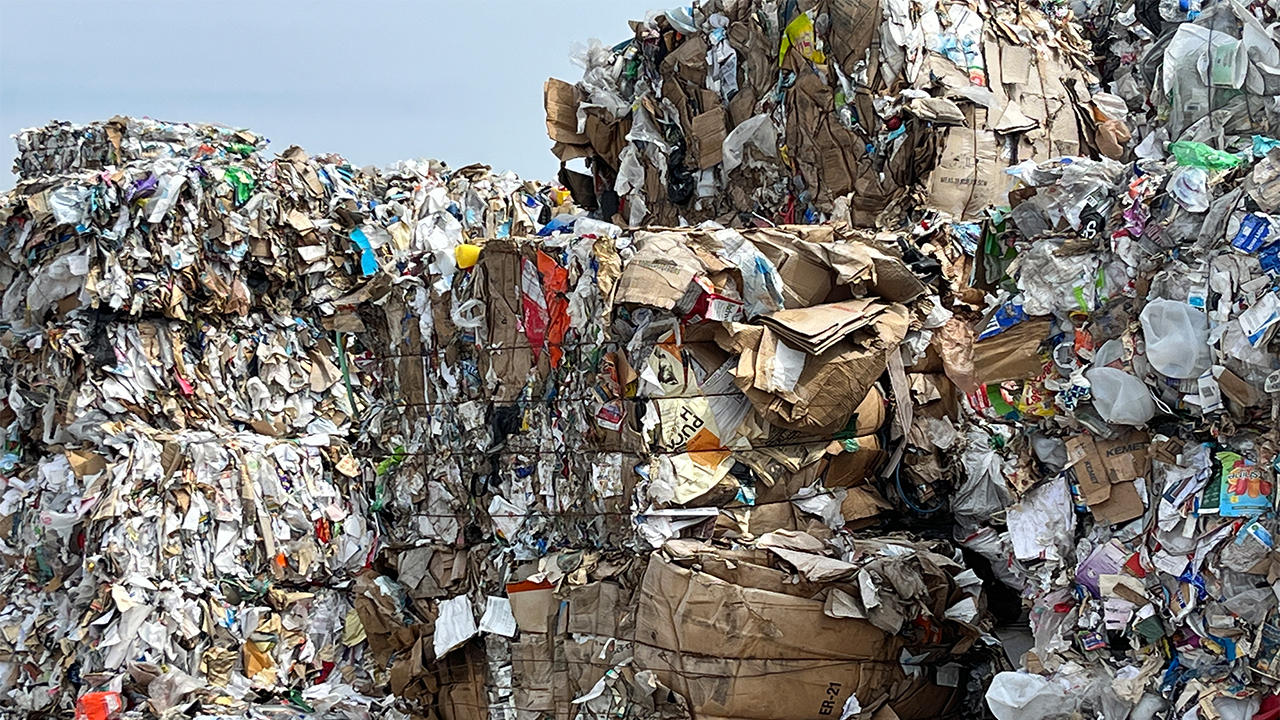
The desolation that troubled T.S. Eliot comes from a soulless industrial greed that has yet to explode into wanton consumerism. He is mourning spiritual and intellectual decay. I am mourning the trash we then generated to fill that emptiness.
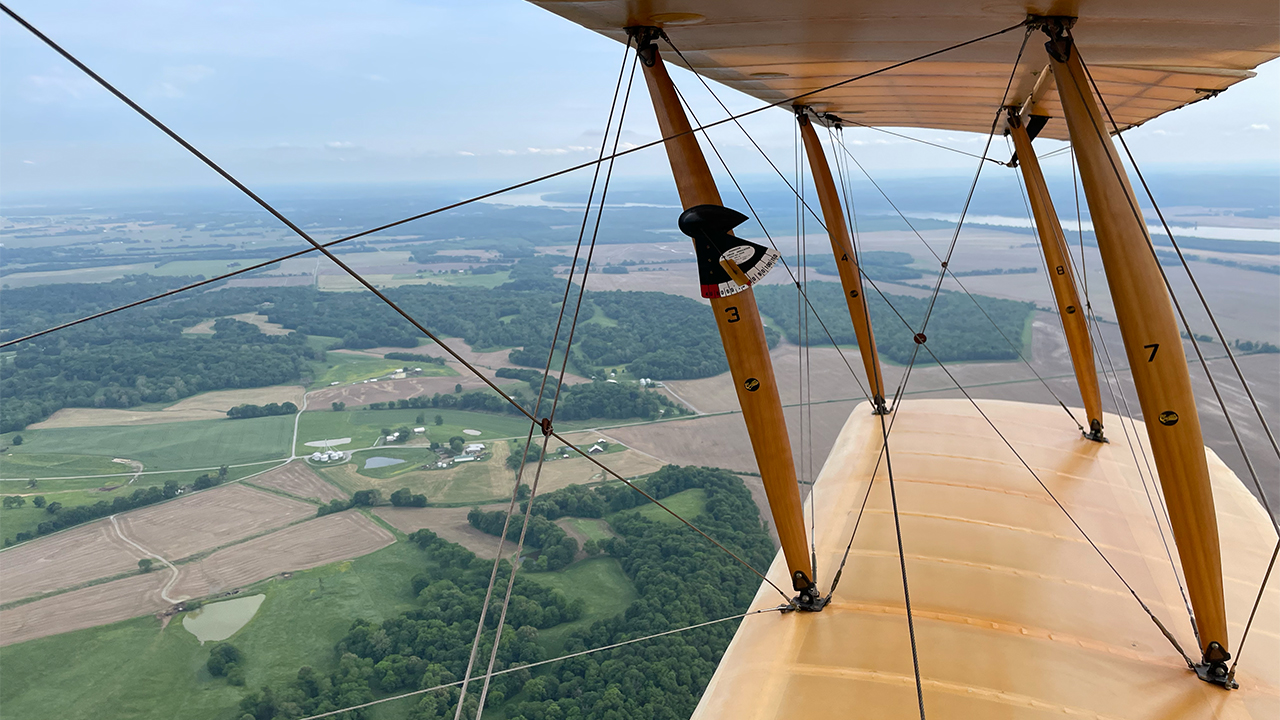
In layman’s terms, there were only six airworthy Jennys in the United States; now there are five.
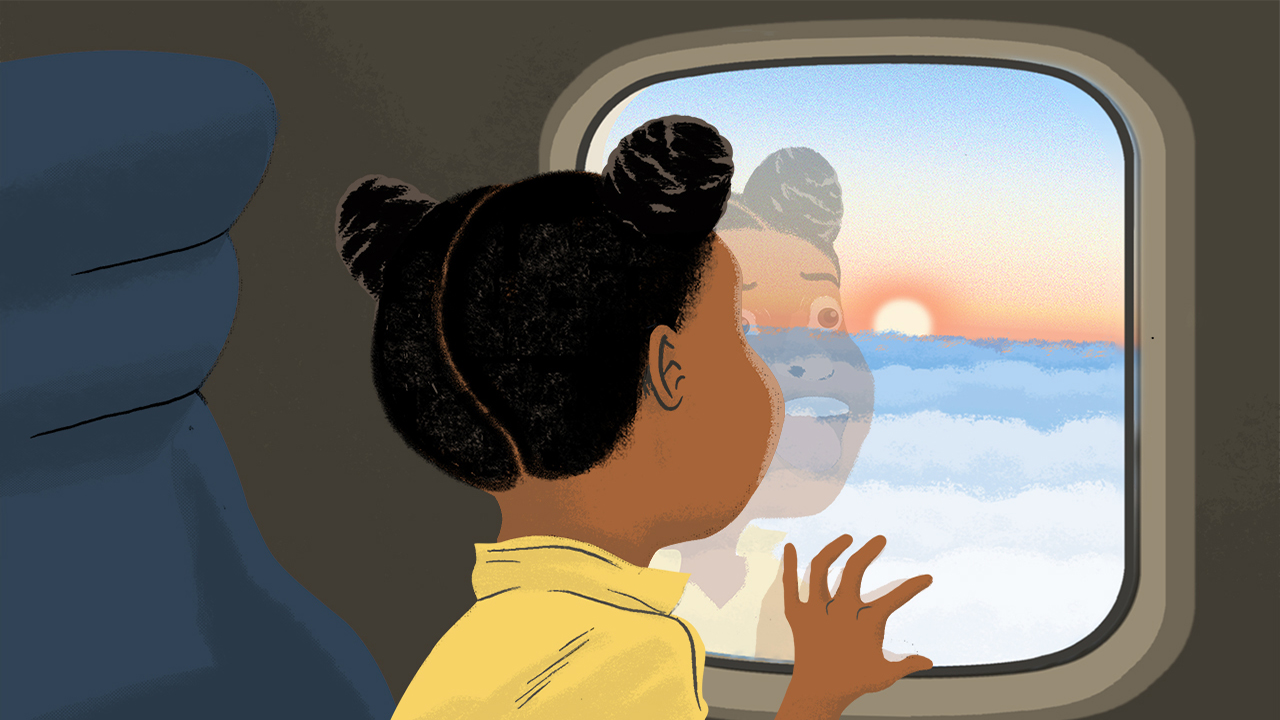
Notes on the skies of America

Bessie Coleman’s real life made her something larger than most Blacks and most women could imagine themselves to be, and her fictionalizing made her large life larger. Blackness had become something ultra-modern with Coleman, a meta-fiction, the mastery of fabrication, of image, for public consumption. She was the heroine of velocity. She ushered Black people into the age of speed.
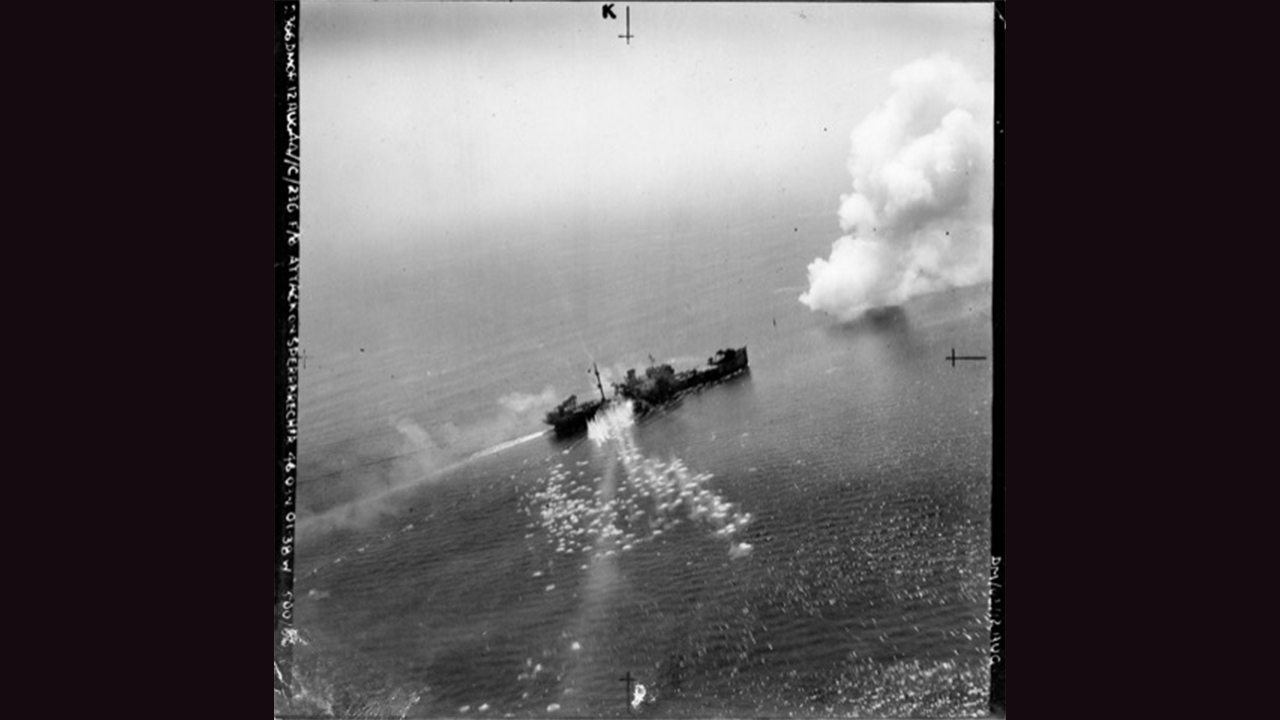
My father was there, the photograph says to me directly. But he was also not there. Not only not visible in the photograph—which, taken from the wing, shows no hunched shoulder or flying cap to indicate the person pressing the firing button—but not there at all. Concentrating, yes; in fear for his life, yes. Supremely there, of course, while the shipboard German gunners sprayed flak at him and he dropped his powerful twin-engine airplane into a dive. But also absent, in a reverie.
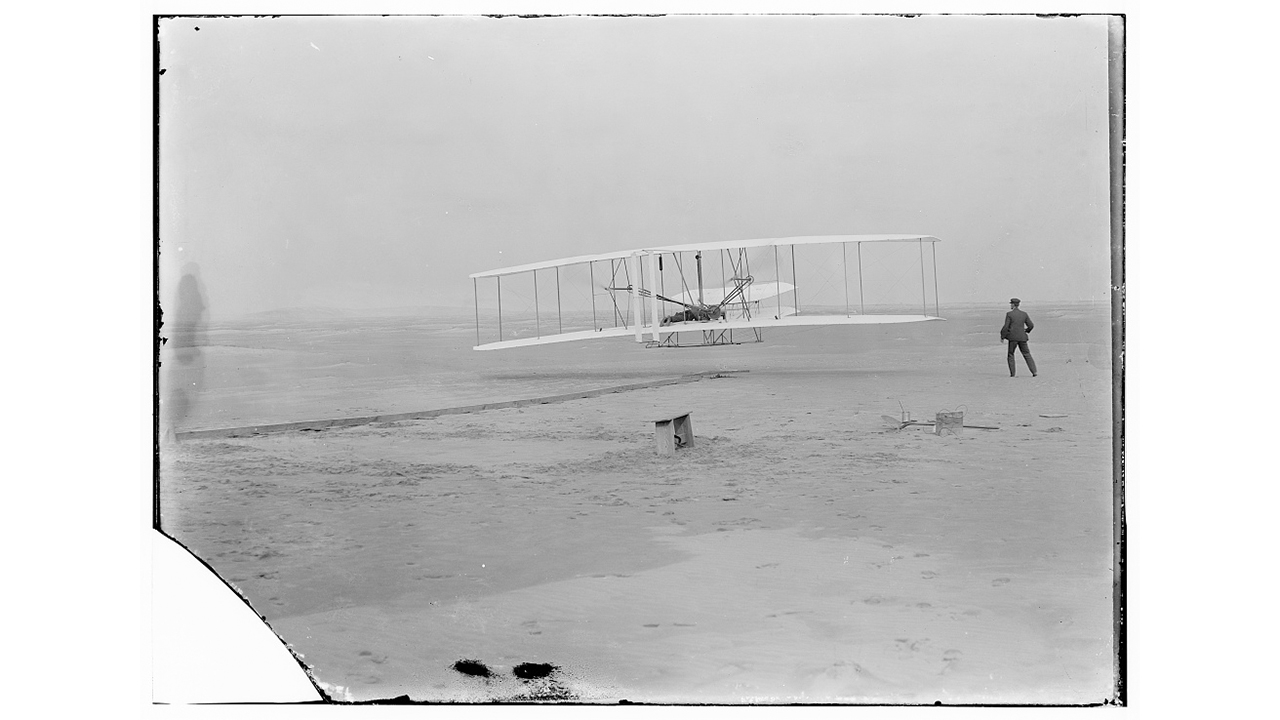
As I write this essay, I am listening to Bird’s records. I love the inventiveness, the breakneck pace, and the flights of fancy of his melodies. I admire his daring and ingenuity, just as I do the Wright brothers’ daring and ingenuity: over a century after they occurred, it is thrilling to read accounts of their first successful powered flights.

Dave Barger ran JetBlue for seventeen years, leaving in 2015. Today, that little startup is merging with Spirit to become the fifth-biggest airline in the nation.