The Storms of St. Louis and the Shelter We Need for Them
By Tolu Daniel
January 30, 2026
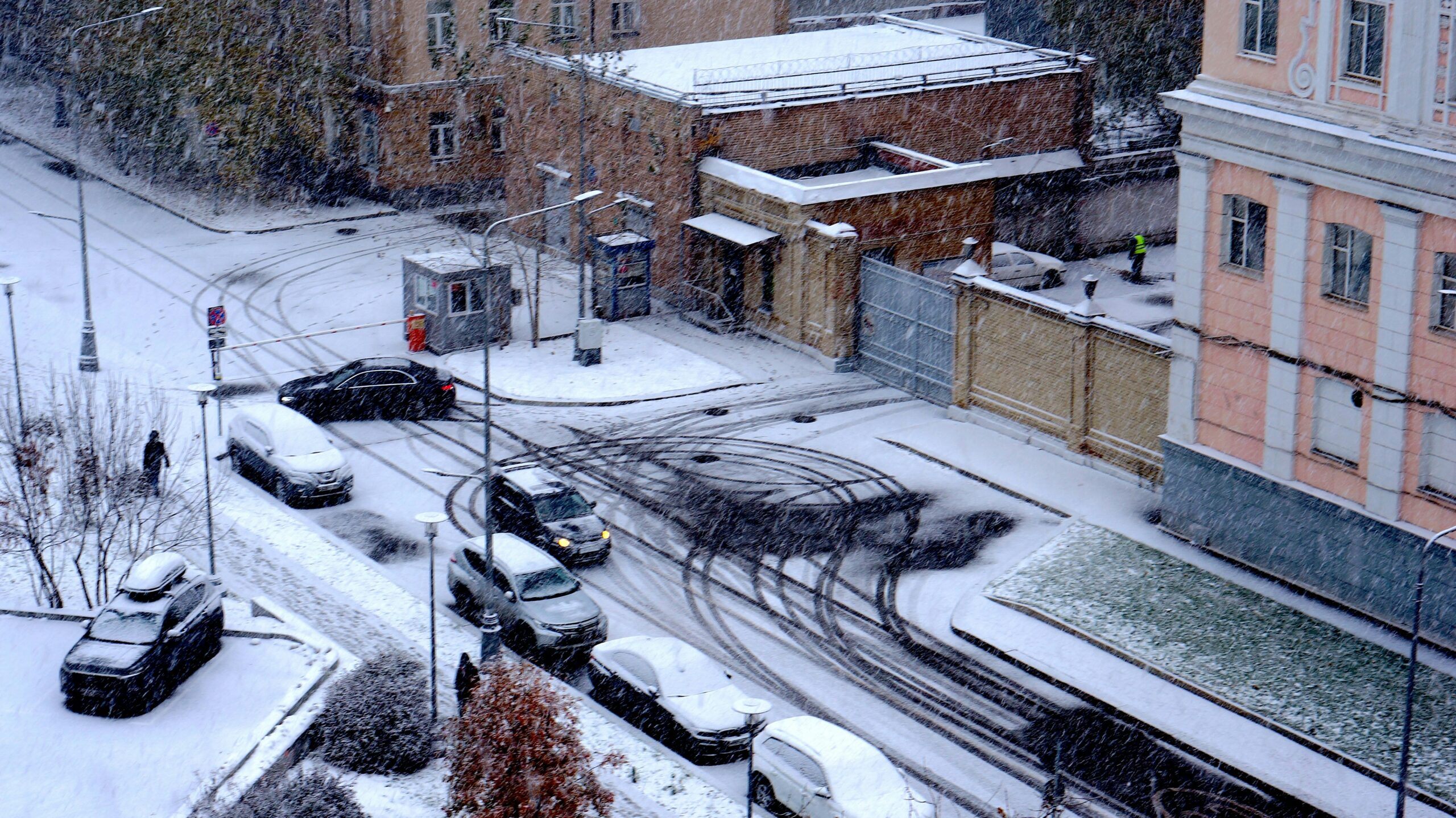
The storm did not arrive in St. Louis so much as it paused here. After crossing cities that spoke its name with disbelief, it gathered itself at the center of the map, thickened, and lingered. Snow fell with the confidence of something that knew it would be felt. Streets emptied. Sound dulled. The city became a held breath between east and west, a place where movement slowed because it had to. There was nothing especially dramatic about this at first. Just cold. Just accumulation.
The cold settles differently when it is expected to last. It changes how the body holds itself. Shoulders rise. Steps shorten. There is an urge to move despite the warnings, a need to test the air, to confirm what is already known. I am reminded insistently of the pandemic. The years 2020 and 2021 whisper into my ears and I hear their thick accent as they imposed themselves yet again. I reached for the nearest facemask as I made to go outside to warm up my car for no reason. But that was just my body in reflex. The pandemic is old news now.
Staying inside feels less like rest and more like instruction. Doors close. Heat circulates. Time stretches. The storm’s path is already too familiar. We have been tracking it for days. We watched as it moves from coast to coast, picking up intensity. The night it was scheduled to arrive, it gave itself a few more hours. Some friends visited, we watched TV together, huddled in thick blankets and by midnight, no snow, everyone leaves for their homes. When the snow finally arrives, I go outside to test the weather. I throw a cup of water into the air and it lands as tiny shards of ice on the floor. Soon my whole street is filled with so many flakes of snow and briefly I wonder if our city was built for this kind of weather event. Almost a year ago, we had a similar storm, and many people insist that the city’s lackluster efforts cost the former mayor her job. But since then, more crazy weather events have happened. A once in a lifetime tornado tore the city apart.
The difference between discomfort and danger is not philosophical. It is architectural. It is economic. It is historical. When the snow falls this time, it does not feel like a new event. It feels like a continuation. Another test layered onto structures already strained. Another demand placed unevenly across the city.
I was home for it, stewing in the anger of something my ex did. I had allowed her to stay in my apartment while I was on an artist residency in the small town of Monson, Maine, only to return to find the apartment in a state of disarray with some of my houseplants overwatered to death and houseflies buzzing around in reckless abandon. So, when the tornado hit, I was trying to control my own weather system. Whenever other people render their versions of the events of the tornado, I remember to keep my own to myself, because nothing of note happened. I barely lost electricity, which was out for about two hours, yet many folks I know lost theirs for weeks. Others lost livelihoods, some lost homes, and a few others lost their lives.
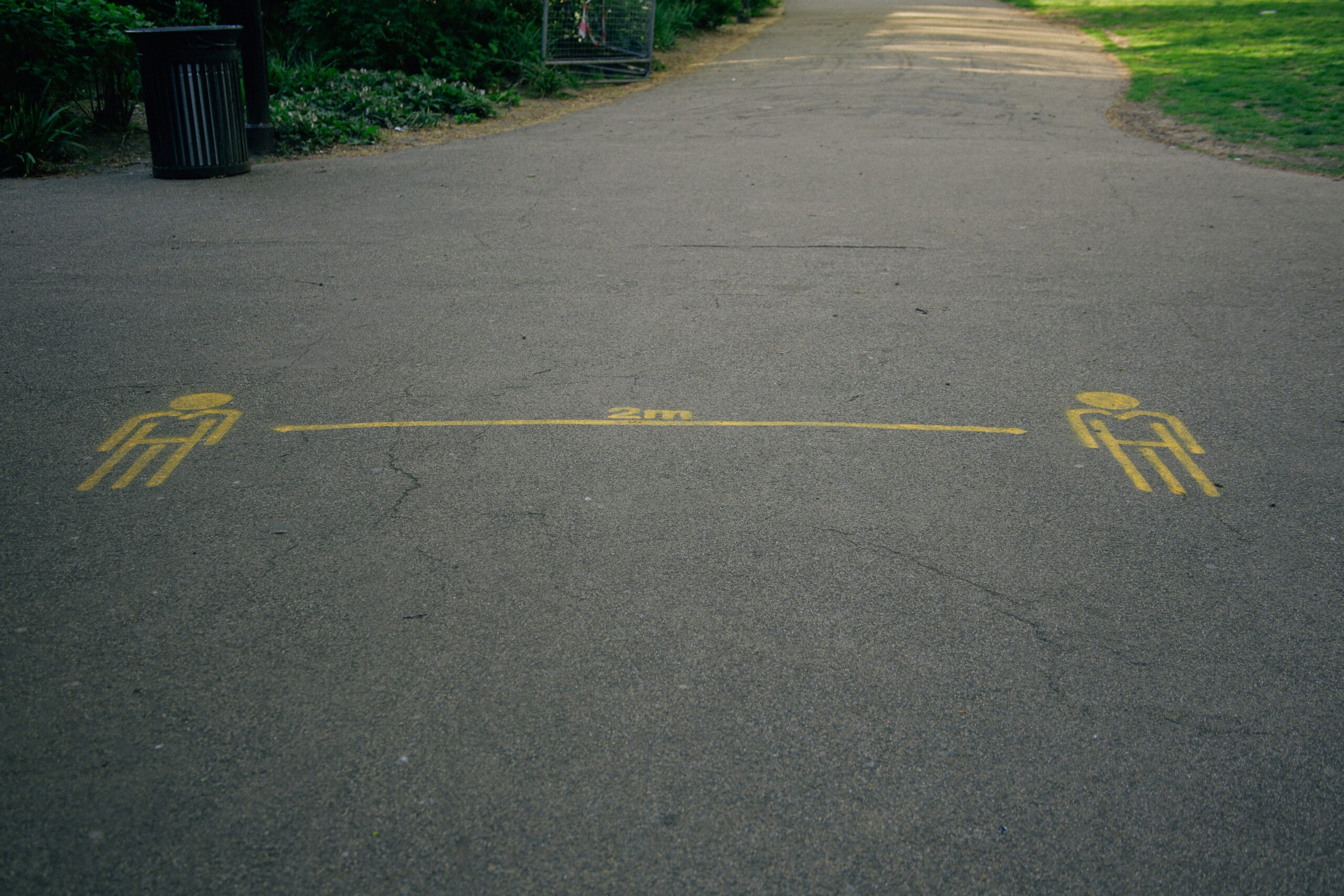
So, with this snow, I wondered what we were in for. In places unaccustomed to this kind of weather, the language of surprise would surface quickly. St Louis is one such place, but this year, it seems like lessons have been learnt. The city adjusts. Stores empty faster than usual. Roads become suggestions. Neighbors glance at one another with a shared understanding that does not require speech. This is not an emergency, but it is not normal either. It exists in the space between. Inside, the stillness presses. The quiet begins to resemble other quiets. Days when leaving the house was an act of calculation. When safety was measured in distance and duration. The body remembers this posture without being asked.
When people speak about the tornado now, they tend to begin with where they were. Location becomes a credential. Proximity becomes proof. The stories arrange themselves accordingly. Who heard it first. Who saw the sky change color. Who ran. Who stayed. Who lost power. Who did not. Damage, at first, appeared indiscriminate. The wind did not ask questions. It crossed boundaries without hesitation. It tore through blocks with different median incomes, different histories, different assumptions about safety. Roofs lifted clean off houses in neighborhoods that had always been considered secure. Trees collapsed onto cars parked in driveways that usually promised permanence. In that moment, wealth and precarity looked briefly equal.
But that equality did not last. Recovery revealed what the storm only exposed. Moving through the city months later, the differences sharpened. Around the Central West End and along the edges of Forest Park, the work is visible and ongoing. New shingles catch the light differently than old ones. Construction crews arrive early and leave late. Scaffolding appears, then disappears. There is a sense of forward motion, of problems being addressed in sequence. Insurance adjusters come through. Contractors return calls. Permits move. The language of restoration circulates easily. A block away, the same cannot be said.
There are streets where houses remain split open, their interiors still visible from the sidewalk. Tarps hang loose, frayed by weather, no longer pretending to protect anything. Windows stay boarded, not as a temporary measure, but as a condition. Some structures lean slightly, as if tired of standing. People live there still. I pass these houses slowly, not out of curiosity, but because the damage resists being absorbed quickly. You can see how the storm entered. You can trace its exit. You can also see where help stalled. Where paperwork piled up. Where resources ran out. Where attention moved elsewhere.
It becomes clear that recovery is not a single event, but a series of gates. Some open easily. Others remain locked. I begin to think about winter differently then. About what it means to wait out the cold when your roof is compromised. When insulation is missing. When heat leaks out faster than it can be replaced. Subzero temperatures are an inconvenience in some places. In others, they are a threat that settles into the walls. The storm returns in my mind, layered now. Snow on top of structural damage. Cold pressing into spaces already weakened. The city issuing general advice that assumes intact homes. Stay inside. Conserve heat. Avoid travel. Instructions that work only if the basic conditions are met.
I wonder how many people are making do quietly. How many are sleeping in coats. How many rooms have been closed off entirely to preserve warmth in a single space. How many calculations are happening that will never be spoken aloud. This is where the body holds knowledge again. Not abstract. Immediate. The difference between discomfort and danger is not philosophical. It is architectural. It is economic. It is historical. When the snow falls this time, it does not feel like a new event. It feels like a continuation. Another test layered onto structures already strained. Another demand placed unevenly across the city.
It becomes clear that recovery is not a single event, but a series of gates. Some open easily. Others remain locked. I begin to think about winter differently then. About what it means to wait out the cold when your roof is compromised.
I think again about how storms are remembered. About how they are narrated. About how quickly the language of resilience appears, and how selectively it is applied. Some neighborhoods are praised for bouncing back. Others are quietly blamed for lagging behind. But lag implies choice. And choice is unevenly distributed. As the cold settles in, I find myself less interested in the spectacle of weather and more attentive to its aftermath. To what it reveals about who is protected and who is exposed. To how long a city is willing to tolerate visible damage before it becomes background. The tornado passed. Officially. The snow will pass too. But the conditions they leave behind do not move on their own. They wait. They harden. They become the landscape people learn to live inside.
I carry this with me as I watch the snow accumulate again. As I feel the familiar restlessness return. As the city slows and adjusts and absorbs. Not all bodies experience this pause the same way. Not all homes are asked to hold the same weight. And at the center, where pressure gathers, these differences do not disappear. They sharpen.